
Last updated November 21, 2026
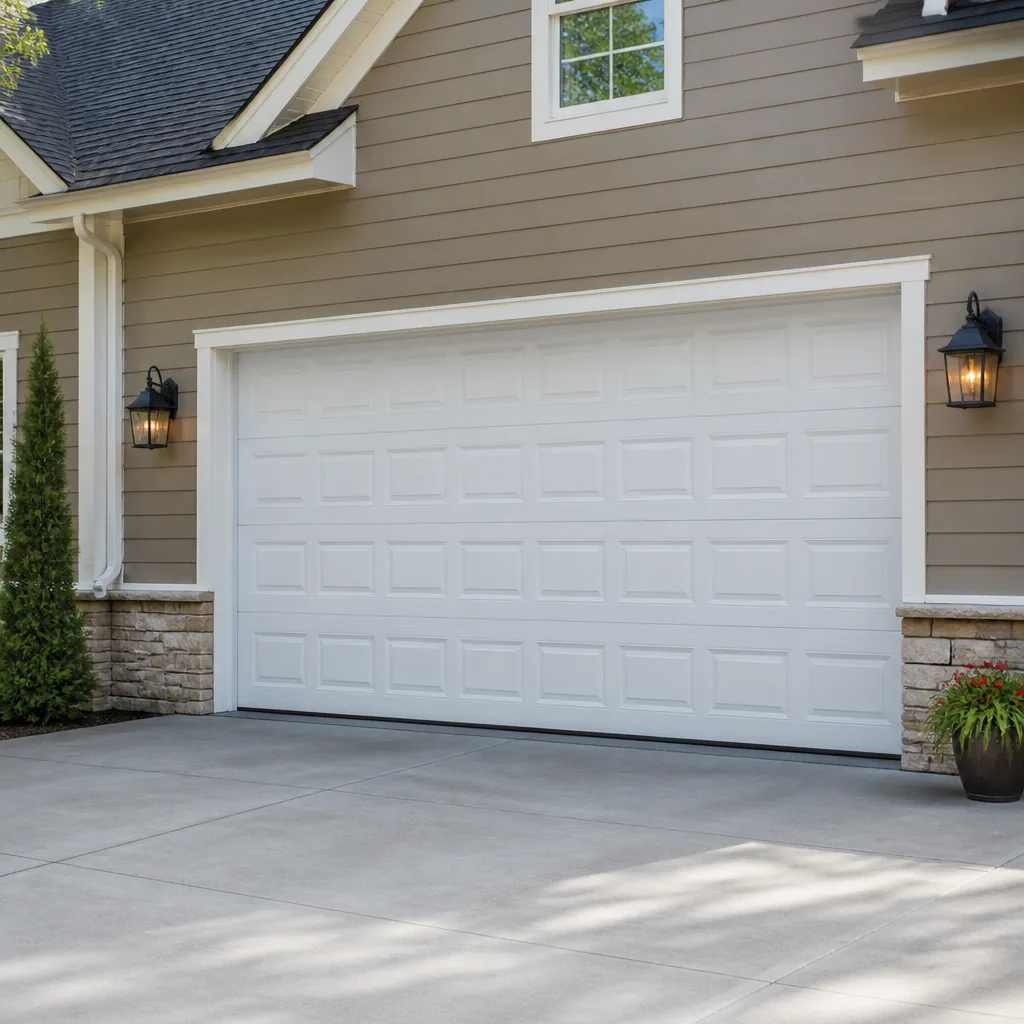 Raised-panel steel
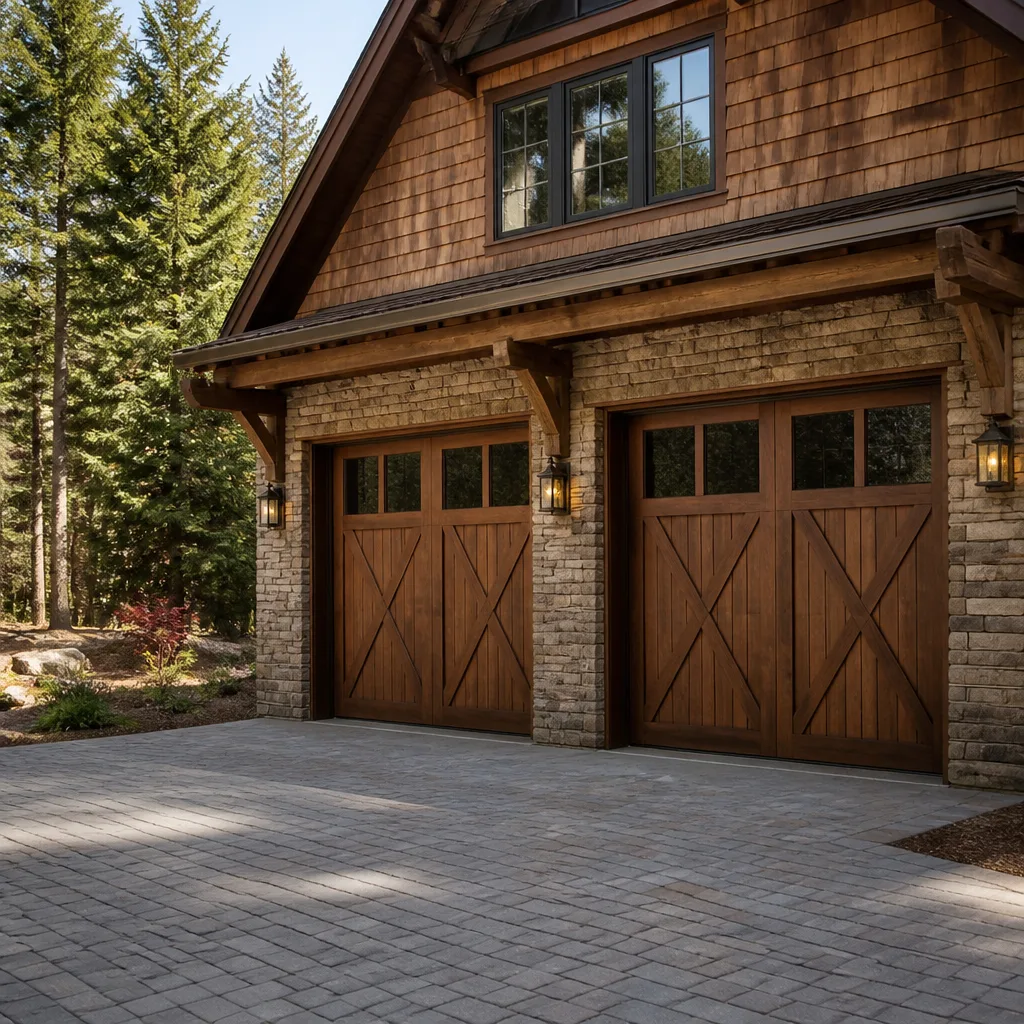 Carriage house
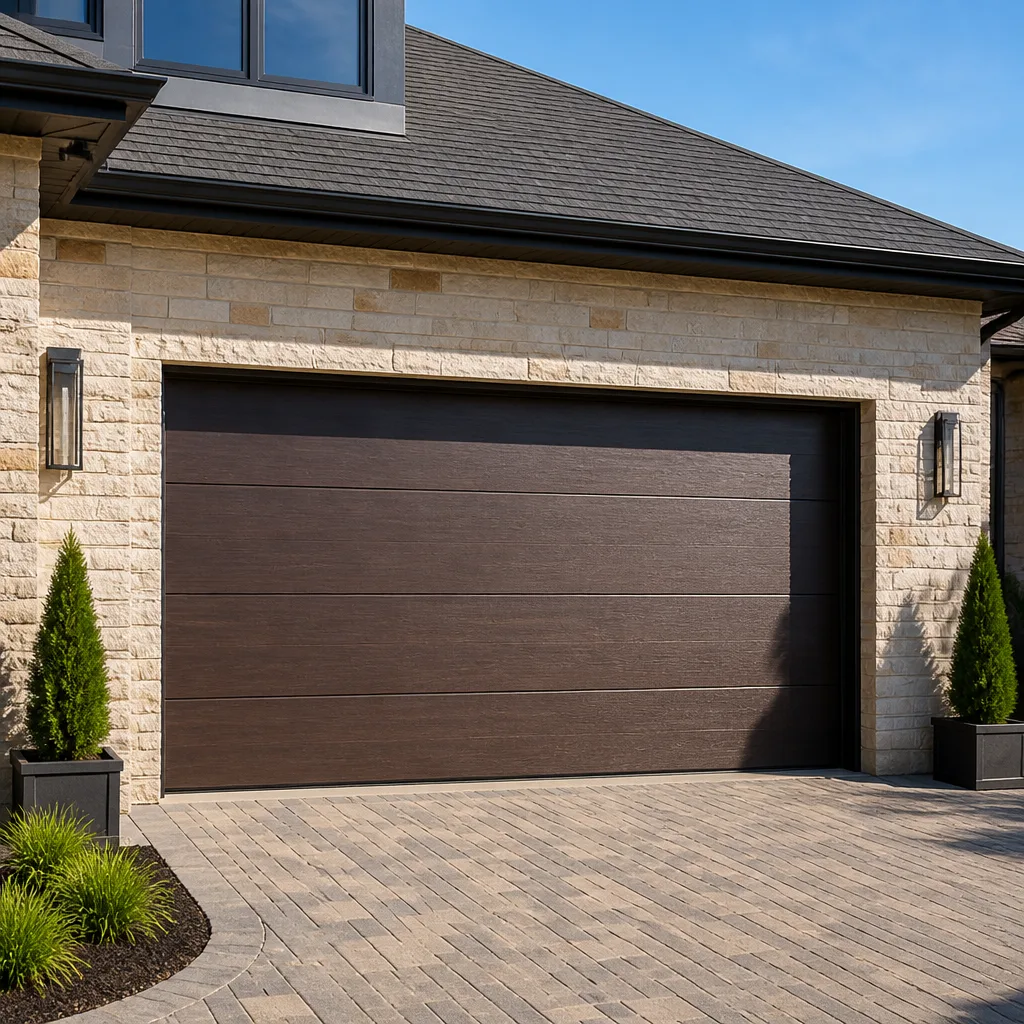 Modern flush
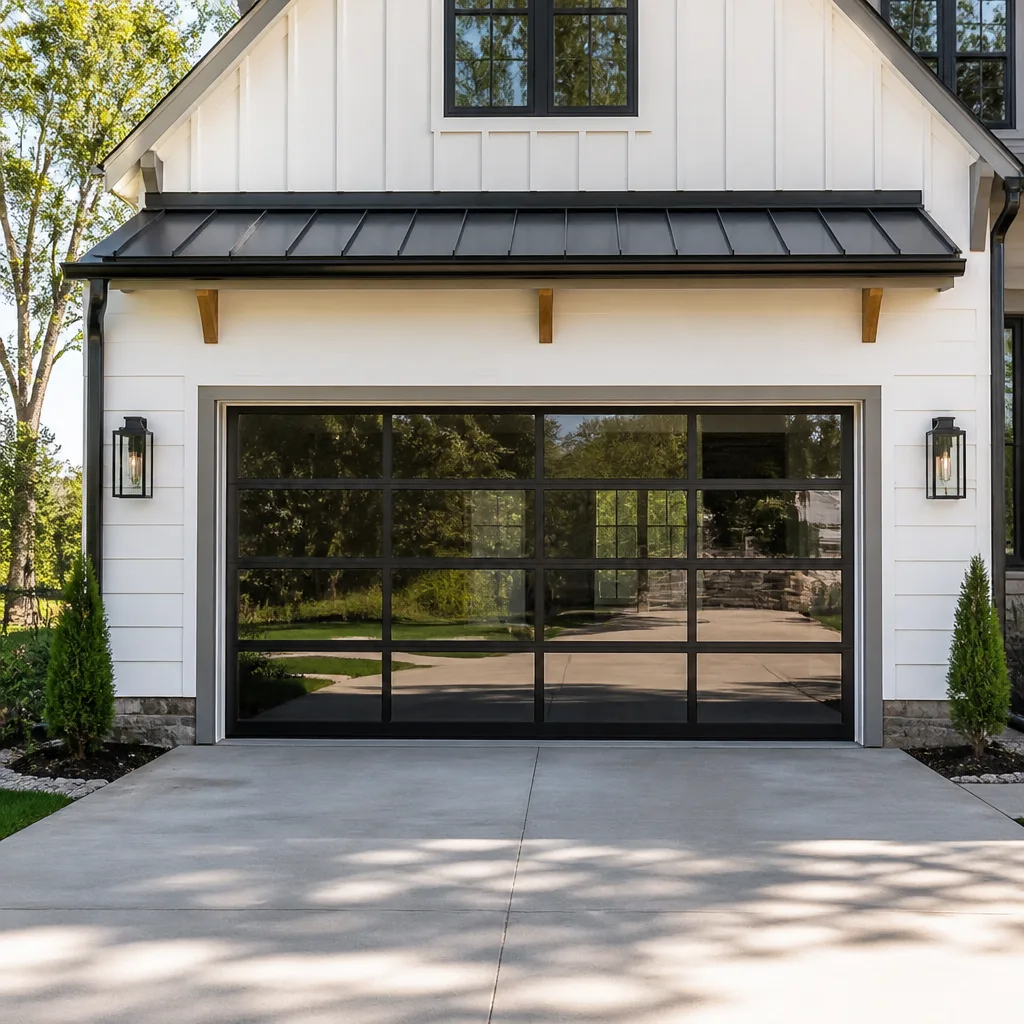 Full-view glass
 LiftMaster openers
 Chamberlain openers
Full 25-point door and opener safety check with every visit - springs, cables, rollers, tracks, and your LiftMaster or Chamberlain opener included
You get a price before we start. It does not change when the pro arrives.
Get your free estimateGarage Door Repair Troubleshooting in Gravesend: Common Problems and How to Fix Them
A door that reverses before it reaches the floor and a door that refuses to budge at all look like two completely different failures. Most homeowners treat them that way, and that is where the misdiagnosis starts. In our experience, both get labeled “opener problems” when the real culprit is usually a mis-set limit switch in the first case and a bent track in the second. Understanding which of five mechanical systems is actually misbehaving tells you instantly whether a screwdriver is the right next move or a phone call is. This guide maps symptoms to root causes so Gravesend homeowners stop chasing the wrong fix and start solving the right one.
Quick Answer
Most garage door problems in Gravesend trace back to one of five systems: springs, cables, tracks and rollers, the opener motor and gears, or the safety sensors. A door that reverses before the floor is usually a limit switch or sensor issue, a door that won’t lift is usually a spring or opener failure, and grinding or popping noises point to worn opener gears or fatigued springs. Do the safe checks first (sensors, lubrication, manual release), and call a professional for anything involving springs or cables.
Styles & brands we work with
- Raised-panel steel
- Carriage house
- Modern flush
- Full-view glass
- LiftMaster openers
- Chamberlain openers
Table of Contents
- The Symptom-to-System Diagnostic Matrix
- Diagnosing Your Door by the Noise It Makes
- Which DIY Fixes Are Safe and Which Aren’t
- The Four Checks to Run Before You Call Anyone
- Springs and Cables: Why These Are Never a DIY Job
- Opener Problems and Brand-Specific Diagnostics
- How Gravesend Weather Affects Your Door Hardware
- How to Describe Your Problem So We Can Pre-Stage Parts
The Symptom-to-System Diagnostic Matrix
Before you touch anything, match what you’re seeing to the system that’s failing. This is the single fastest way to sort a small adjustment from a genuine mechanical breakdown. Over time we’ve built this matrix from hundreds of jobs, and it holds up whether you own a Clopay steel door, an Amarr carriage-house model, or an older Wayne Dalton that has seen plenty of Brooklyn seasons.
- Door won’t move at all, operator hums: openers with humming motors usually have a stripped drive gear or a failed logic board. This is opener territory, not spring territory.
- Door lifts a few inches then stops: often a limit switch set too low, occasionally a binding track. Sometimes a failing spring that can’t carry the weight.
- Door reverses before hitting the floor: usually misaligned safety sensors or a limit switch set wrong. Rarely a logic board.
- Door sags to one side: a broken spring on that side or a snapped cable. This is a stop-what-you’re-doing symptom.
- Loud grinding or popping: opener gear teeth or a fatigued spring. Match to noise below.
- Door comes off track: bent track, broken roller, or a broken cable. Never force the door.
If two symptoms show up together, which they often do, the shared system is the one to investigate. A door that both sags and pops almost always has a spring issue transferring load onto the cables and track. For the sake of a clear picture, we’ll take each system in turn below. You can read more about how we approach full garage door repair if you’d rather skip straight to scheduling.
Diagnosing Your Door by the Noise It Makes
Sound is one of the most reliable diagnostic tools a garage door gives you, and most homeowners describe it imprecisely over the phone. “It makes a noise” tells us nothing. Grinding that comes from up high near the motor tells us to bring a gear kit for a lift system. Popping that comes from near the torsion bar tells us to expect a spring. Scraping from the sides tells us the rollers are shot or the track is out of alignment. Learning to hear the difference saves a trip.
- Grinding: opener gear teeth. Most commonly stripped plastic drive gears in LiftMaster, Chamberlain, or Craftsman units. The motor runs, the door doesn’t move, and the sound comes from the head unit.
- Popping or snapping: spring tension releasing in increments. This is the sound of a torsion spring that’s about to fail or already has. Stop using the door.
- Scraping or squealing: track and roller wear. Rollers get flat spots, and the track bows enough to rub. Usually a lubrication or roller-replacement job.
- Rattling: loose hardware. Bolts, hinges, and brackets walking loose over seasonal temperature swings.
- Clunking on the way down: unbalanced door. One spring is doing more work than the other, or the opener force setting is too high.
One rule to keep in mind: any noise accompanied by the door not moving, or moving unevenly, is a stop-and-call symptom. Don’t run the opener repeatedly to “see if it clears up.” That strips gears and puts more load onto already-stressed springs.
Which DIY Fixes Are Safe and Which Aren’t
We want to be straight with Gravesend homeowners about this. Some fixes are genuinely within reach of anyone with a step ladder and a can of lubricant. Others can put you in the emergency room. A garage door is a heavy panel on tensioned steel, and it stores an enormous amount of energy while it’s working normally.
Safe to handle yourself
- Lubrication: rollers, hinges, and the torsion bar ends with a proper garage door lubricant (not WD-40, which thins grease). Twice a year is plenty.
- Sensor alignment: if the door reverses before the floor, check that the small lights on each safety sensor are steady, not blinking. Straighten the bracket if one is bumped.
- Manual release: the pull cord is designed for homeowner use. Pull it with the door fully down, and the door disengages from the opener so you can lift it by hand.
- Clearing the sensor path: a dropped rake, a stored box, or spiderwebs can break the beam. Ten seconds of sweeping fixes 30% of “my door won’t close” calls.
- Track cleaning: wiping dust and grime off the vertical track surface helps rollers run smoothly.
Never handle yourself
- Any spring adjustment or replacement. Torsion springs are under extreme tension and require specialized winding bars and training.
- Cable reattachment. Cables snap under load and cause serious injury. A snapped cable leaves the door unsupported.
- Pulling a door back onto track by hand. A door that’s off track can fall. It’s heavy enough to cause real harm.
- Replacing the torsion bar or bottom bracket. Both carry stored spring energy, even when the door is down.
Our technicians have up to 11 years of experience precisely because this equipment punishes guesswork. When in doubt, that’s the boundary.
The Four Checks to Run Before You Call Anyone
Reaching for the phone before these four checks is the most common waste of a service visit, for us and for any garage door company. In our experience, roughly 30% of the calls that start with “my door is broken” resolve at one of these four points. Run them in this order.
- Check the power and the wall switch. Is the opener plugged in? Has a breaker tripped? Is the wall button actually clicking? A dead wall button with a working remote usually means a broken low-voltage wire, not a dead opener.
- Check the safety sensors. Look at both sensors at the bottom of each track. Both should show a steady LED. If one is out, dirty, or misaligned, realign the bracket and wipe the lens. Test by pressing the wall button with the door in the middle of its travel.
- Try the manual release. With the door closed, pull the release cord. If the door lifts easily by hand (half its weight against you), the door itself is fine and the opener is the problem. If the door is heavy or won’t lift, the spring is broken and you should not lift it further.
- Check the track for visible damage. Look at the vertical track on both sides of the door. Bends, gaps, or a roller that’s popped out of its channel are instant red flags.
If those four checks don’t resolve it, you’ve got a real mechanical or electrical issue, and now you can describe it accurately. That matters more than most people realize, as we’ll cover further down. A repair visit is faster when the technician already knows what to expect.
Springs and Cables: Why These Are Never a DIY Job
Springs are the heart of your door. They counterbalance the door’s weight so a 150-200 pound panel rises with the push of a button. When a spring fails, the door effectively doubles in weight. Torsion springs are wound tight and store enormous energy. When they snap, it happens instantly and with force. There is no partial DIY fix here. Winding bars, training, and proper safety gear are the minimum, and homeowners without that equipment should not be anywhere near a torsion spring.
Same story for cables. Cables run along the edges of the door, connect the bottom corners to the torsion system, and carry the door’s weight. When a cable snaps it whips and can cause a serious laceration. Loosening, tightening, or reattaching a cable requires the door to be de-tensioned first, which is another spring operation. Don’t skip the pros on this. Our spring and cable work is a dedicated service precisely because this is the most mechanically critical part of the system.
Signs you need spring or cable work:
- A loud snap followed by the door becoming very heavy
- Visible gap in the torsion spring above the door
- Door sags on one side or hangs crooked
- Cable hanging loose or crossed on the drum
- Door only opens partway then stops (openers protect themselves by stopping, and the operator may be telling you the tension is gone)
If you’re seeing any of these, stop using the door. Next call is ours. Replacing one spring means almost always replacing its matched partner too, since they wear at the same rate. If you need opener work done alongside it, our garage door opener repair team can handle both.
Opener Problems and Brand-Specific Diagnostics
Opener failures look complicated but usually come down to one of a handful of components. The motor itself almost never dies first. What fails is the drive system (gear, chain, or belt), the logic board, the safety sensor circuit, or the limit switches that tell the opener where the door’s open and closed positions are. Knowing which brand and model you have means we can pre-stage the right gear or board before we arrive.
This is why we work on your brand, not a generic one. We’re fluent in LiftMaster, Chamberlain, Craftsman, Genie, and the other major systems, and we’ve seen the specific failure patterns of each. The plastic drive gear in a 15-year-old Craftsman fails the same way every time, and the LiftMaster logic board is a different animal entirely.
What the symptoms tell us
- Motor hums, door doesn’t move: stripped drive gear or broken chain coupler. Common on all major brands.
- Door reverses immediately after touching the floor: limit switch set too low or a force setting that’s too sensitive.
- Remote works, wall button doesn’t: broken low-voltage wire between the button and the opener head.
- Door won’t close but will open: safety sensor circuit broken somewhere (one of the sensors, the wiring, or the logic board).
- Opener beeps and reverses: on LiftMaster and Chamberlain units, often a logic board receiving an inconsistent sensor signal.
We see plenty of older Craftsman and Wayne Dalton setups in Gravesend where the opener is fine but the opener-to-door interface has degraded. Don’t replace the whole opener until you’ve confirmed it’s the actual problem. That’s the “built for your opener” approach, and it saves real money.
How Gravesend Weather Affects Your Door Hardware
Hardware fails at different rates depending on where a house sits. Gravesend has its share of coastal-influenced humidity and a wide seasonal temperature swing. Doors that sit closer to the water and doors that sit further inland don’t corrode or wear at the same pace. Inland, hardware tends to last longer, but seasonal temperature swings still fatigue springs and loosen fasteners. Closer to the water, exposed steel and hardware show rust and deterioration sooner, and rollers and hinges seize if they’re not lubricated.
What that means in practice for a homeowner here:
- Lubricate rollers and hinges twice a year, more often if you’re close to the water.
- Watch for rust blooming on hinges, bolts, and bottom brackets before it eats into the metal.
- Expect springs to fatigue faster than an inland suburb’s would. Spring life is measured in cycles, but temperature swings shorten it.
- Paint or touch up any nicked steel panel surfaces. Once the factory finish is broken, rust starts and spreads.
- Check track alignment more often if you notice your door binding in cold snaps.
We work all over Gravesend and know which neighborhoods tend to see faster hardware wear. That includes the blocks near the water and the more inland stretches alike. When we quote a repair, we consider your location naturally, because a door that runs near the water needs more frequent attention than one that doesn’t. For installing a new door when yours has outlived its hardware, our garage door installation team handles everything from Clopay to Amarr.
How to Describe Your Problem So We Can Pre-Stage Parts
Here’s the difference between a repair that takes 40 minutes and one that takes two visits. When you call and say “my door is broken,” we have to guess. When you tell us the brand of your opener, the model if you can read it off the label, the exact symptom (door reverses before floor, grinding from the head unit, spring snapped), and whether the door is heavy or normal weight by hand, we can load the right parts and diagnose before we arrive. That cuts repair time roughly in half and often avoids a second trip.
Here’s the information to have ready before you call:
- The brand and model of the opener (LiftMaster, Chamberlain, Genie, Craftsman, or any other), usually on a sticker on the head unit or inside the battery compartment.
- The brand of the door itself if you know it (Clopay, Amarr, Wayne Dalton, etc.) since door maker can matter for panel and track sourcing.
- The exact symptom, in order: what you saw first, what you did, what happened next.
- A hand-weight test: door closed, release pulled, door lifted halfway. Heavy or light?
- Any noise and where it comes from (from the motor head, from above the door, from the sides).
- How old the door and opener are roughly, and whether the door has ever been serviced.
- Whether the safety sensors are both lit and if the door will open but not close, or won’t move either way.
With that, a technician arrives with the right parts in hand. With a LiftMaster drive gear kit and the correct torsion spring on the truck on the first visit, that’s often a one-trip fix. Call (855) 956-4130. We answer 24/7. Fast dispatch from 7am to 7pm, Sunday through Friday. We’ll book the visit and set a written estimate before any work begins.
Common Mistakes to Avoid
- Running the opener repeatedly on a heavy door. When a spring is gone, the operator is already working against twice the weight. Every extra cycle strips gears and can warp the door panel. Stop at the first symptom.
- Calling a general handyman for spring work. Garage doors are specialized mechanical systems, and springs are the most dangerous part of them. A generalist who’s never wound a torsion spring shouldn’t be anywhere near one.
- Spraying WD-40 on the tracks and rollers. WD-40 thins existing grease and leaves the surface dry. Use a proper garage door lube on rollers and hinges, and never grease the inside of the track where the rollers actually run.
- Assuming the opener is dead when the wall button doesn’t work. A broken low-voltage wire between the button and the opener head looks exactly like a dead opener and costs a fraction to fix.
- Ignoring one bad sensor. A blinking sensor light is the single most common reason a door won’t close. It’s a free fix, and it’s the first thing to check.
- Replacing the whole door when a single panel is damaged. On panel-and-track doors from Clopay or Amarr, single-panel replacement is often possible and saves a lot of money compared to a full installation.
- Not noting the brand and model before calling. We can pre-stage the right part for a known brand, but it takes a phone call to source from guesswork. Read the label before you dial.
See the difference
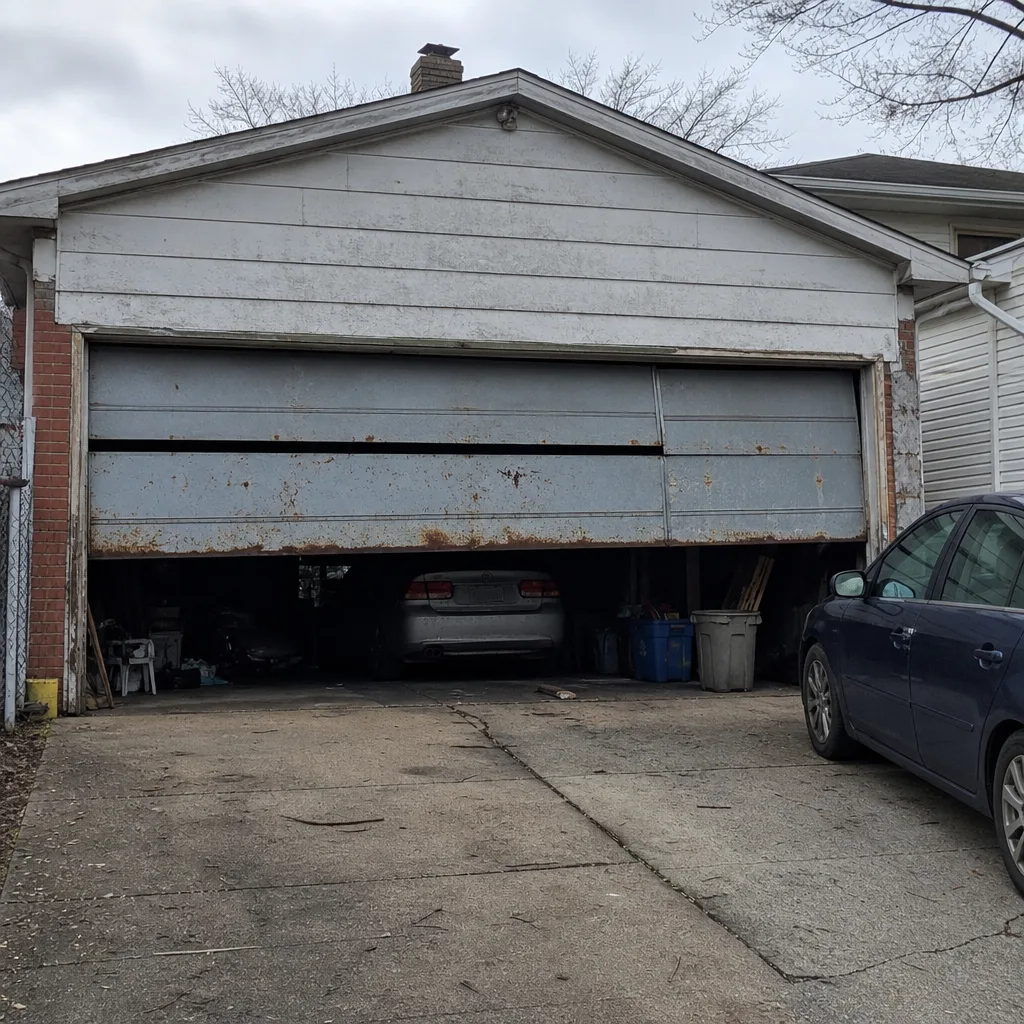 Before
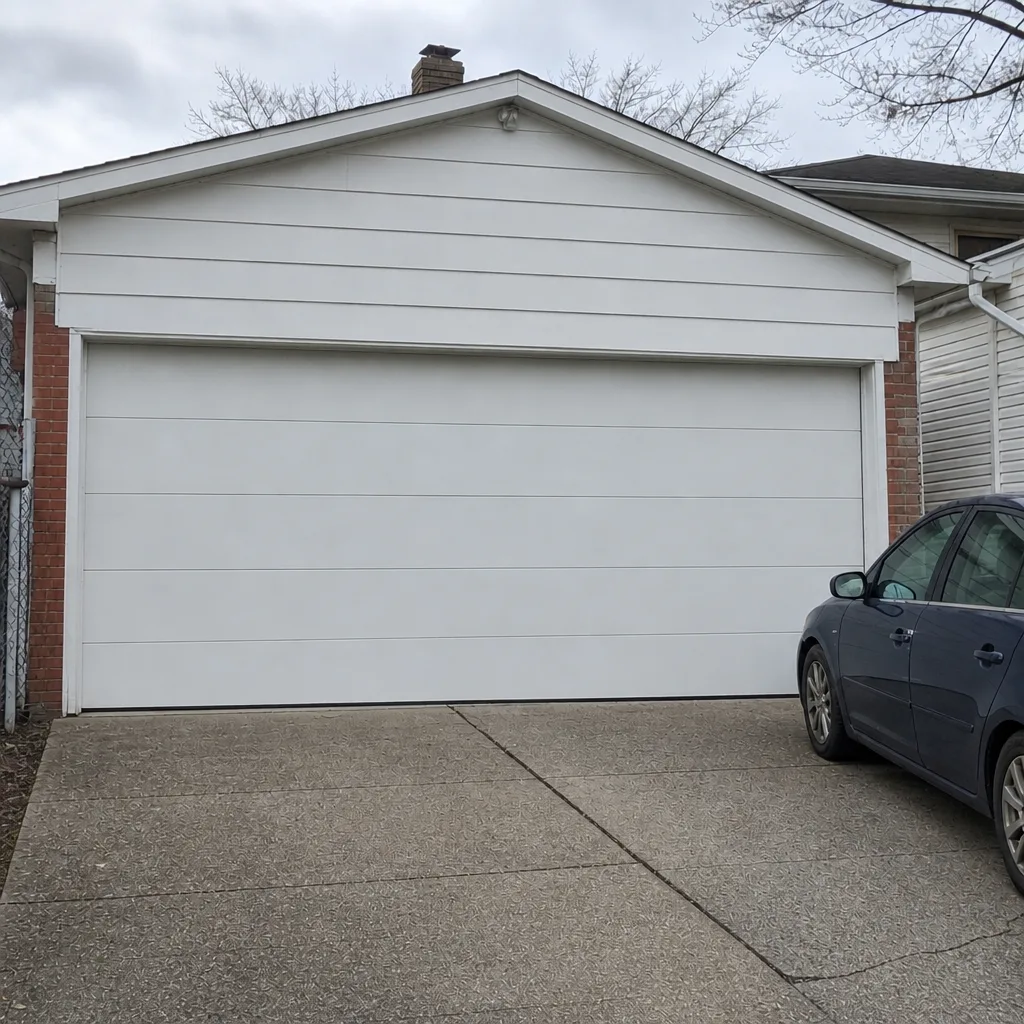 After
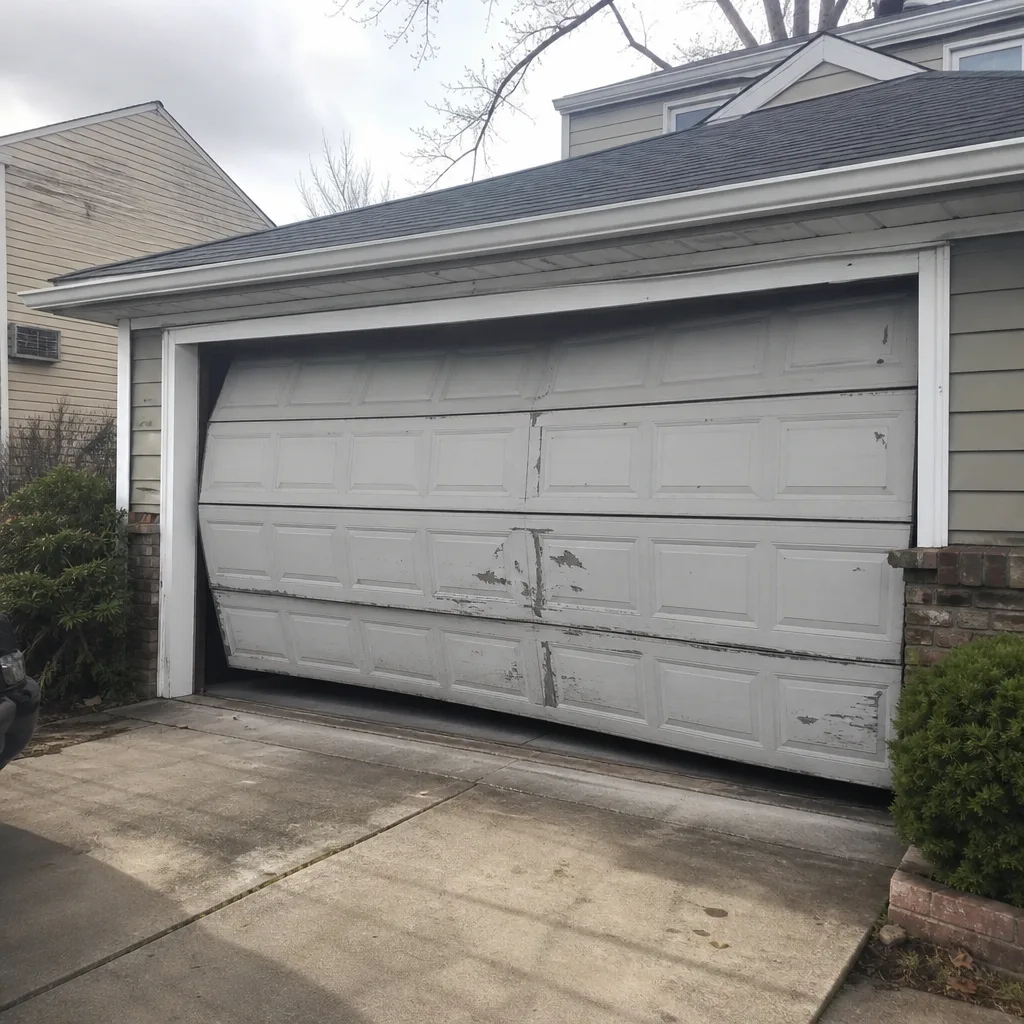 Before
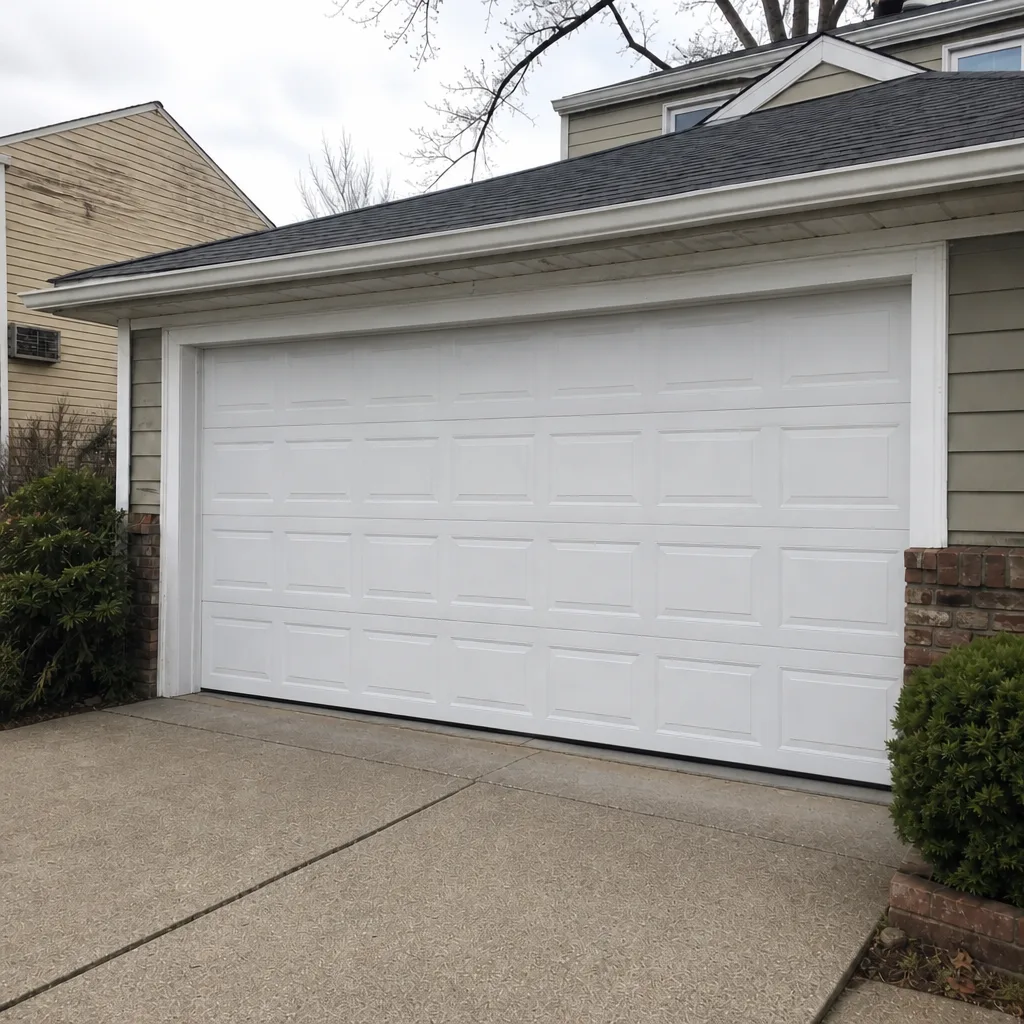 After
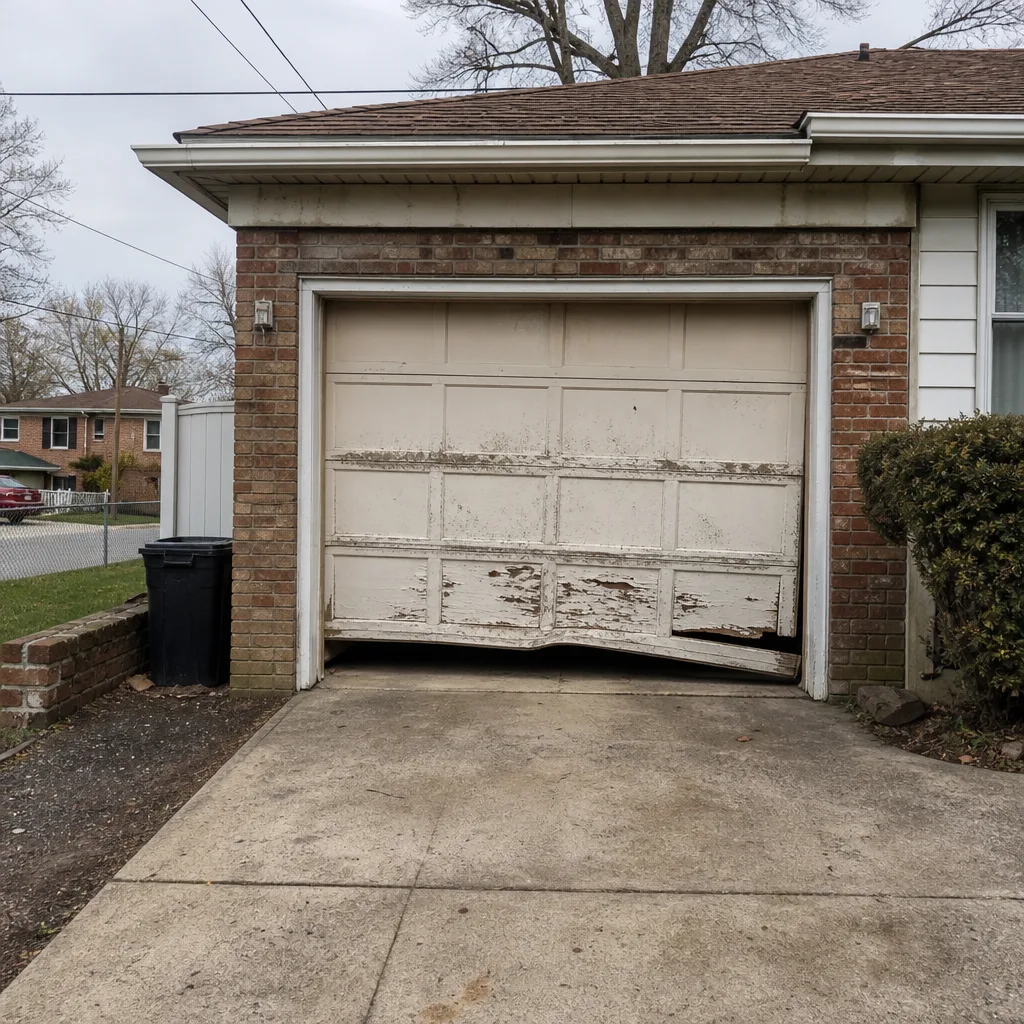 Before
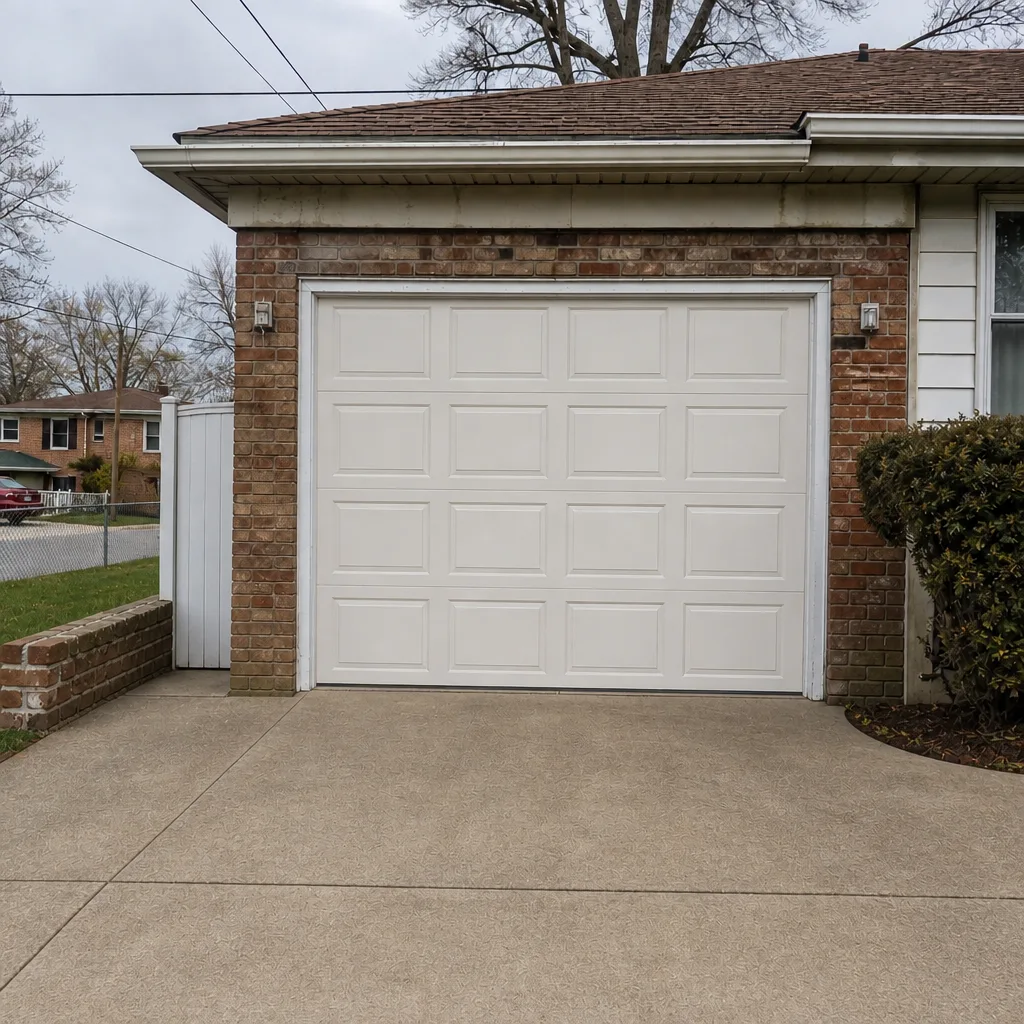 After
When to Call a Professional
Call us for anything involving springs, cables, tracks off their brackets, or a door that’s become heavy to lift by hand. These are the injury-risk systems, and there’s no safe shortcut. Call for opener gear failures and logic board faults when you’ve confirmed the power and sensors are fine. Call us if a panel has come off track and won’t go back on with gentle pressure. And call us if you’ve run the four checks and the door still won’t behave, because something mechanical is at play. Garage Door Repair Gravesend offers free estimates in Gravesend, and we can work with your insurer if damage is part of the picture. Call (855) 956-4130. We answer 24/7. Fast dispatch from 7am to 7pm, Sunday through Friday.
Frequently Asked Questions
Usually because the safety sensors are misaligned, dirty, or blocked, or because the opener’s limit switch is set too low. Check that both sensor LEDs are steady and that the beam path is clear; if that doesn’t fix it, the limit switch likely needs adjustment. That’s a quick professional fix. Call (855) 956-4130 for an exact quote, and estimates are free.
Pull the manual release and try lifting the door by hand. If it lifts easily, the door and springs are fine and the opener is the problem. If it’s heavy or won’t lift, a spring or cable has likely failed. Stop using the door and call (855) 956-4130.
Repair costs depend on the part and the job. A broken spring is the most common repair, and replacement costs more than a sensor alignment or a roller replacement because the springs are a heavy, safety-critical component. The written estimate sets the price before any work begins. Call (855) 956-4130 for a free estimate.
Yes, we offer same-day service for urgent failures like broken springs, doors off track, and lockouts. Call (855) 956-4130. We answer 24/7. Fast dispatch from 7am to 7pm, Sunday through Friday.
No. The written estimate is the price. We quote the job and you agree to it before any work starts, so there are no surprises on the invoice. Call (855) 956-4130 for a free estimate.
Yes, the local professionals we connect you with are licensed and insured as their state requires. Our technicians have up to 11 years of experience working on garage door systems from every major brand.
It depends on the state of the door itself versus the state of the mechanism. If the panels are sound and only the hardware (springs, rollers, opener) is worn, a repair is usually the right call. If panels are rusted through, warped, or the door is out of square, replacement may make more economic sense. Our installation team can advise during a free estimate.
The Bottom Line
Most garage door problems in Gravesend trace to one of five systems: springs, cables, tracks and rollers, the opener, or the sensors. Diagnosing by symptom and noise is the fastest way to know whether it’s a maintenance task or a mechanical repair. Sensors, lubrication, and manual release are safe for anyone. Springs, cables, and off-track doors are professional territory. Every job we do comes with a written estimate agreed before work starts, and we work on every major brand. If your four checks don’t resolve it, call and describe the symptom so the right parts arrive on the first visit. Call (855) 956-4130 for a free estimate.
Written by the team at Garage Door Repair Gravesend.