
Last updated November 21, 2026
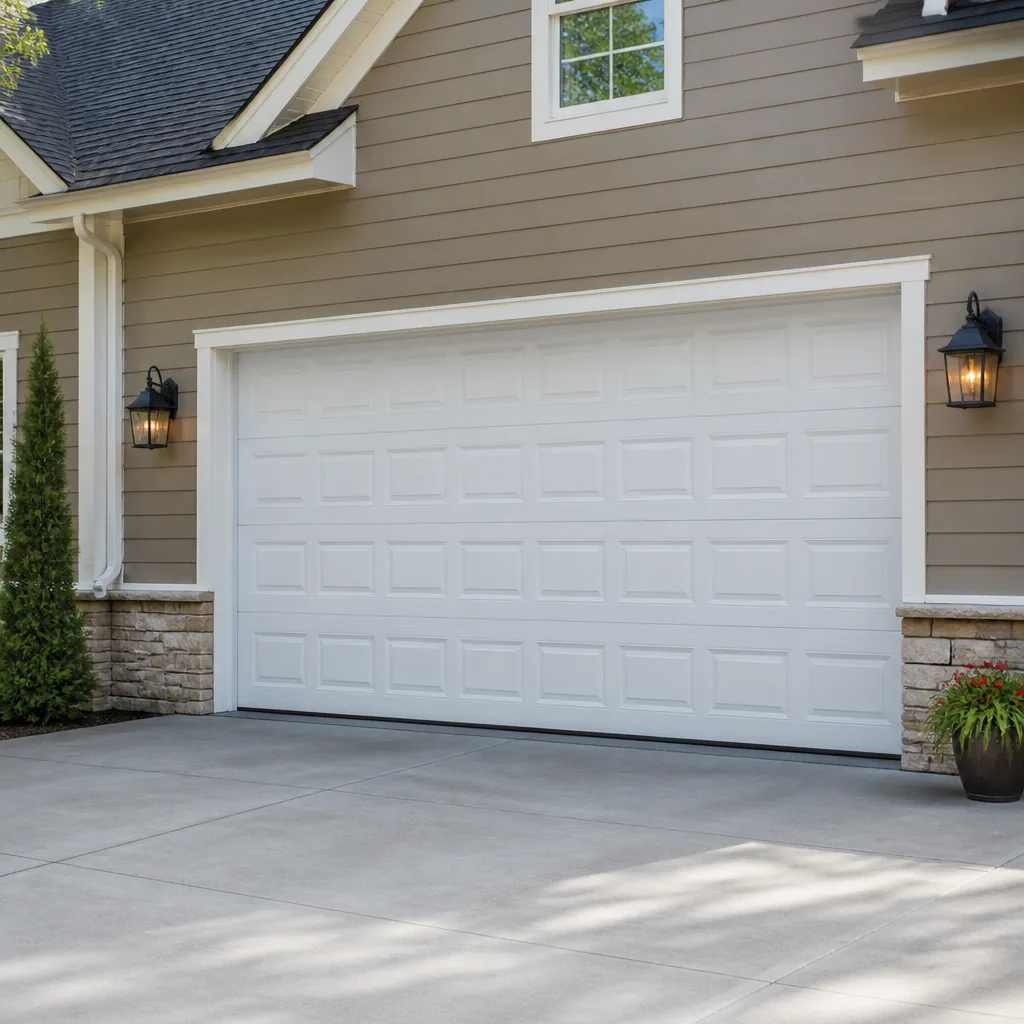 Raised-panel steel
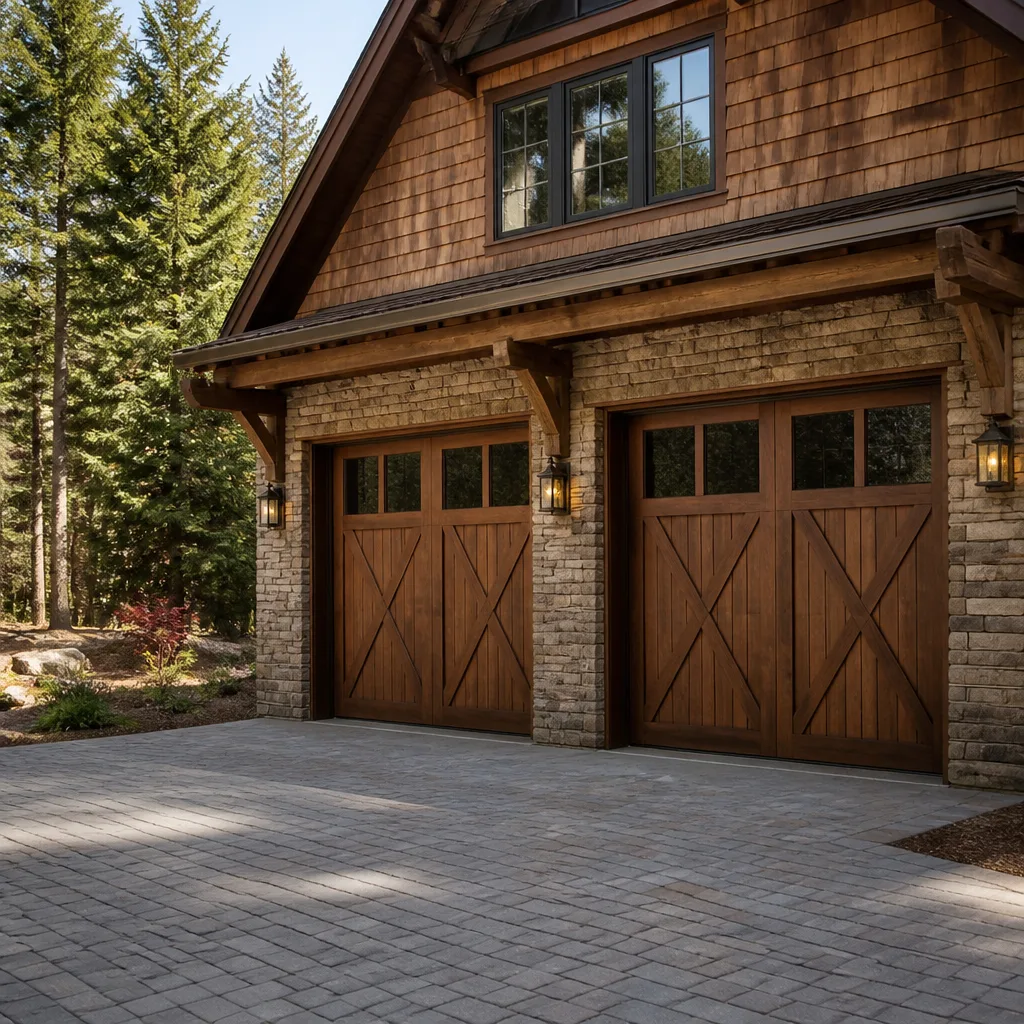 Carriage house
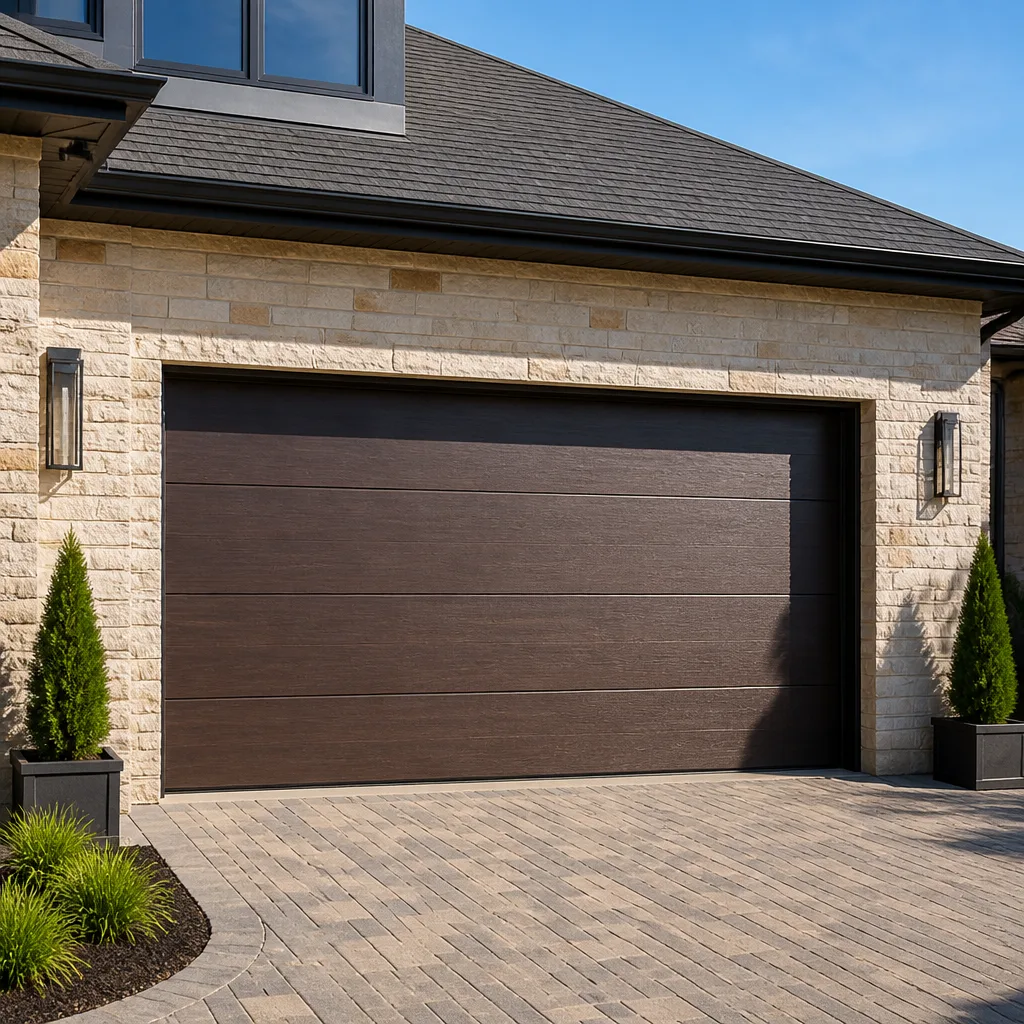 Modern flush
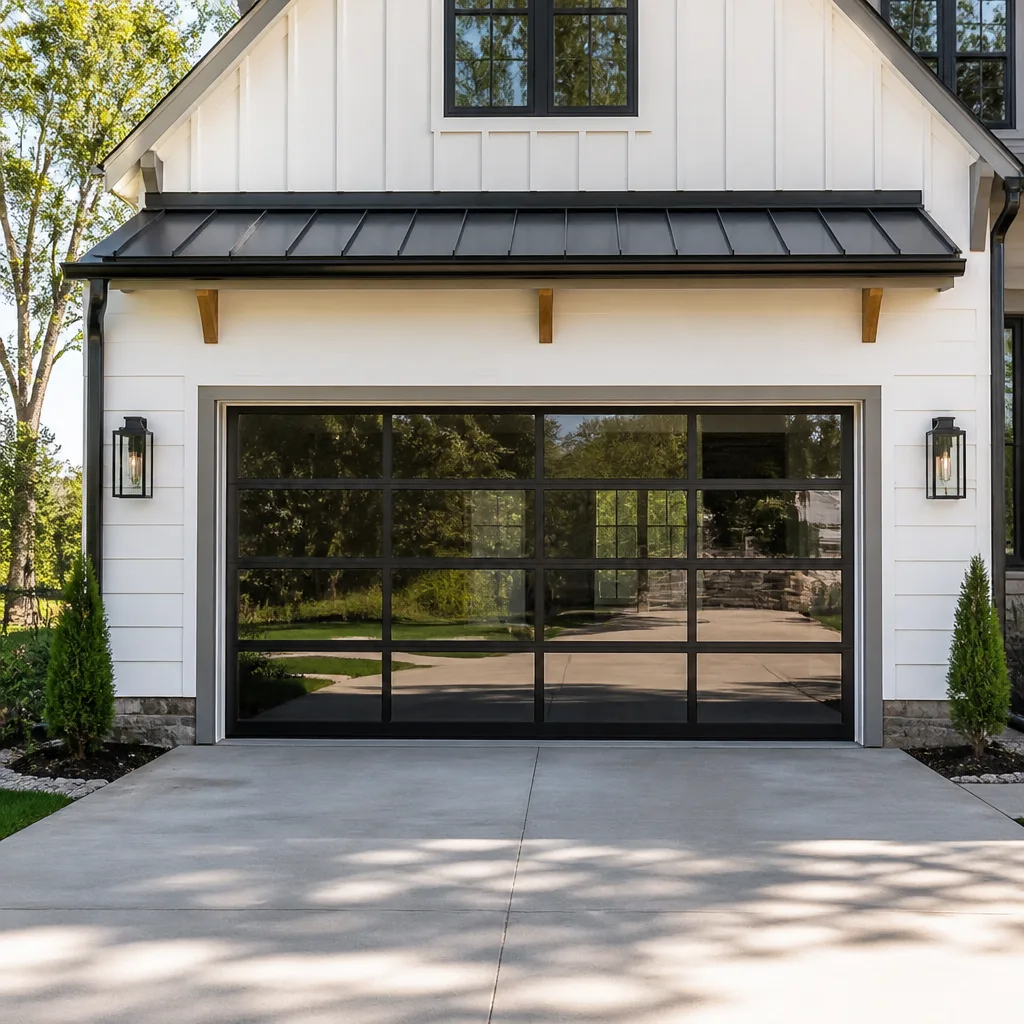 Full-view glass
 LiftMaster openers
 Chamberlain openers
Full 25-point door and opener safety check with every visit - springs, cables, rollers, tracks, and your LiftMaster or Chamberlain opener included
You get a price before we start. It does not change when the pro arrives.
Get your free estimateGarage Door Warning Signs: A Gravesend Homeowner’s Reference Guide
A door that reverses unexpectedly isn’t malfunctioning. It’s doing exactly what it’s designed to do when it detects resistance. The real question is what’s creating that resistance, and the answer tells you whether you’re dealing with a sensor issue or a structural one. That distinction matters enormously for a door you probably open several times a day. In our experience around Gravesend, the biggest mistake homeowners make is treating every strange noise or pause as either “nothing” or “emergency,” with no middle ground. This guide changes that. We’ve classified the most common garage door symptoms by urgency tier, explained the mechanical reason behind each one, and given you a clear reference so you know when to monitor, when to schedule, and when to stop using the door today.
Quick Answer
Garage door warning signs fall into three tiers: monitor-and-schedule (squealing, light rattling, cosmetic wear), stop-and-schedule (grinding, slow opener travel, uneven movement), and stop-immediately (a snapped spring, a hanging cable, a door that reverses on contact or won’t stay open). Grinding noises, visible cable damage, and doors that reverse before touching the ground are the urgent ones. A door that “mostly works” but fails intermittently is more urgent than one that has fully stopped, because intermittent failure often means a spring or opener is on the edge of giving out.
Styles & brands we work with
- Raised-panel steel
- Carriage house
- Modern flush
- Full-view glass
- LiftMaster openers
- Chamberlain openers
Table of Contents
- The Three Urgency Tiers: How to Classify Any Symptom
- Sound Diagnosis: What Grinding, Squealing, Popping and Rattling Actually Mean
- Reading Springs and Cables Without Touching Them
- Opener Behavior: Electrical vs. Mechanical Root Causes
- Why “Mostly Works” Is More Urgent Than “Fully Stopped”
- Gravesend Climate and Housing: How They Shape Door Wear
- The Seasonal Walkthrough Every Gravesend Homeowner Should Do
- Common Mistakes to Avoid
- When to Call a Professional
The Three Urgency Tiers: How to Classify Any Symptom
Every garage door symptom belongs to one of three urgency tiers. Sorting a symptom correctly is the single most useful thing you can do as a homeowner, because it turns a vague worry into a clear action. Here’s how we classify them.
Tier 1: Monitor and Schedule
Symptoms in this tier are inconvenient but not dangerous. The door operates, nothing is visibly broken, and the noise or behavior is a sign of wear rather than failure in progress.
- Light squealing or squeaking during travel
- Mild rattling that stops once the door settles
- Cosmetic wear on rollers, hinges or weather seals
- A remote that occasionally needs a second press
These get booked into a routine visit. There’s no need to stop using the door, but ignoring them for months typically turns a small adjustment into a component replacement.
Tier 2: Stop and Schedule
These symptoms mean a component is degrading in a way that could escalate. Park the car outside, use the door only when necessary, and get it looked at before it becomes Tier 3.
- Grinding or scraping metal-on-metal noises
- The door traveling slowly, stuttering, or pausing mid-run
- The door moving crooked, with one side lagging behind the other
- Rollers that have flattened, chipped, or come loose from their brackets
- Visible wear on spring coils or gaps in cables
Tier 3: Stop Using the Door Now
This is the essential warning list. A Tier 3 symptom means the system is failing in a way that can cause injury or property damage if the door is operated.
- A snapped torsion or extension spring
- A cable that has come off its drum or is visibly frayed or dangling
- The door won’t stay closed, or reverses before touching the floor
- A door hanging visibly off its track
- The opener runs but the door doesn’t move
- Any loud bang from the garage followed by a door that won’t open
Springs and cables are the danger here. A torsion spring under tension can cause serious injury when it fails or when someone attempts to handle it. Do not try to work around a Tier 3 symptom yourself. Call for a trained technician.
Sound Diagnosis: What Grinding, Squealing, Popping and Rattling Actually Mean
Sound is the earliest warning a garage door gives you, and specific sounds point to specific components. Listening carefully turns a mystery into a diagnostic clue before anything is visible.
Grinding
Grinding is metal-to-metal contact, and it’s the most serious of the common noises. The usual culprits are rollers seizing up and dragging against the track, an opener gear wearing through its teeth, or a torsion cable rubbing against a frayed drum. Grinding is a stop-and-schedule symptom because the friction is actively damaging both the moving part and the surface it contacts. A seized steel roller can gouge a track deeply enough that the track itself has to be replaced.
Squealing
Squealing usually points to a lack of lubrication. Nylon rollers, hinges, and the pivot points that bend as the door travels all dry out over time. Squealing is typically a Tier 1 symptom and is often resolved with proper lubrication of the right points. It becomes Tier 2 if the sound sharpens or is paired with slow or uneven travel.
Popping or Snapping
A single loud pop at the beginning or end of travel often indicates the door has lost balance and the opener is straining to lift or lower weight it wasn’t designed to carry. Popping can also come from a torsion spring adjusting under stress. If popping is followed by a door that won’t open or that sits differently, stop using it.
Rattling
Rattling is usually structural looseness. Bolts, brackets, and hinges work themselves loose over months of vibration. A loose bracket will eventually let a component hang out of position, and that’s when a rattling door becomes a door off its track. Rattling on its own is Tier 1, but if you can see anything hanging, treat it as Tier 2 immediately.
Reading Springs and Cables Without Touching Them
Springs are the heart of your door, and they are the component most worth understanding. They counterbalance the door’s weight, which is why a 200-pound door lifts with one hand. When a spring fails, that weight returns all at once.
Two Spring Systems
Most doors use one of two systems, and the visual warning signs differ.
- Torsion springs: Horizontal coils mounted above the door on a metal shaft. Look for a clear horizontal gap somewhere along a coil. A visible gap means the spring has snapped. A heavily worn torsion spring is the most common cause of a door that opens an inch and stops.
- Extension springs: Coils running alongside the horizontal tracks. Look for a stretched-out coil, a spring that has lost its shape, or a safety cable that has worn through. Extension springs are normally enclosed in a safety containment cable, and that safety cable should be intact.
Reading Cables
Torsion cables spool around drums at each end of the shaft. A healthy cable is straight and tight against its drum. Warning signs include fraying or broken strands, a cable that has jumped the drum, or slack that hangs in a loop. Any loose cable is Tier 3. A jumping cable usually follows a spring failure, so treat them together.
The Safety Rule
Do not touch the springs, cables or the shaft. A torsion system stores energy whether the door is open or closed, and mishandling it can cause serious injury. A trained professional handles spring repair because it’s the most mechanically critical and injury-risk component of the entire door. You can look from a safe distance. If you suspect a spring problem, leave the door down and call us.
Opener Behavior: Electrical vs. Mechanical Root Causes
When the opener misbehaves, the symptom pattern often tells you where the fault is. Electrical faults show up fast and inconsistently. Mechanical faults show up predictably.
Slow Travel
A door that moves slower than it used to usually has a mechanical issue. The opener is compensating for extra weight, which is usually a spring that’s lost tension or a bent track. It’s Tier 2 because the opener is working harder than it should, and that extra strain shortens its life.
Stuttering
Stuttering in one spot often means a small physical obstacle along the travel path: misaligned track, a damaged roller, or a debris buildup at a specific point. If it stutters in the same place, look at the travel path. If it’s random, suspect the opener’s motor or control board.
Partial Reversal
A door that reverses before reaching the floor, or that reverses when it meets a small obstacle, is often complaining about the safety sensor or the force setting. Look at the two photoelectric sensors near the floor and check that their indicator lights are on. If the lights are off, you have a sensor wiring or alignment issue. If they’re on and the door still reverses, the logic board or safety fault is worth a professional check.
Dead Stops
The opener that runs but the door doesn’t move, or the opener that is silent with power, points to a broken disconnect arm, a snapped belt or chain, or a failed capacitor. The pattern of the stop is your clue. Garage Door Repair services every major opener brand, including LiftMaster, Chamberlain, Genie, and Craftsman, so parts and diagnostics for the opener you actually own aren’t guesswork.
Why “Mostly Works” Is More Urgent Than “Fully Stopped”
A door that has completely stopped usually fails at a predictable moment and stays put. A door that fails intermittently is more dangerous because each successful cycle trains you to trust it.
The Mechanical Reason
Intermittent failure is usually the last stage before a hard failure. A torsion spring loses coil tension in small increments, and a door that sometimes lifts heavily is telling you a spring is on the edge. A cable that occasionally skips can snap on the next cycle. An opener that momentarily loses signal holds its last command and then releases it, which looks like success to the homeowner.
The Practical Reason
Intermittent failures get ignored because they don’t reproduce on demand. Homeowners tell us the door “does it sometimes” and leave it for months. That interval is exactly when we’d rather see it. An unstable spring or loose roller is cheap to address before the failure and much more disruptive afterward. If your door is unpredictable around Gravesend, book the visit while it’s still opening.
Gravesend Climate and Housing: How They Shape Door Wear
Gravesend’s summers leave garage doors warm and humid, and its winters bring enough cold to test every moving part. That swing has predictable effects on garage door hardware.
Humidity and Heat
Warm summers work on the wood and paint of older doors and loosen up metal brackets. Lubricant thins and migrates out of hinge points. If your door sounds fine in cool weather and noisy in summer, humidity and heat have probably dried the lubrication off key pivot points.
Cold-Season Effects
Winter cold shrinks metal and makes springs less elastic. A torsion spring that’s close to failure often goes in the cold months, because the coiling comes back stiffer and the door gets heavier. Cables get brittle, and the doors that don’t have a full chain of care behind them are the first to break. If you notice heavier lift tension as temperatures drop, treat it as a Tier 1 warning and book a spring inspection before deep winter.
Housing Stock
Gravesend is a mixed neighborhood, and so is its garage door inventory. Some homes still carry the original 1980s and 1990s doors, often Craftsman-style panels with older extension-spring hardware. Newer homes may have a balanced torsion system with a modern opener. The warning signs are the same, but the typical failure point differs by era. A quick look at the brand and style of your door brings us the right knowledge to your first visit.
The Seasonal Walkthrough Every Gravesend Homeowner Should Do
Ten minutes twice a year catches most of what’s above before it becomes a Tier 3 event. Here’s the sequence we recommend walking through when the season turns.
- Walk the full door from a distance. Look for sagging panels, uneven gaps, or anything visibly crooked. An unbalanced door tells on itself from six feet away.
- Look at the springs and cables without touching them. Check for a snapped spring, a visible cable gap, or a cable that has jumped its drum.
- Test the auto-reverse safely. Place a small block of wood on the ground and close the door. A healthy system reverses on contact. If it doesn’t, stop and schedule a service visit.
- Test the safety sensors. Break the beam between the floor sensors with a hand. The door should reverse. If not, check for something blocking them or misaligned brackets.
- Listen during a full open and close. Note any grinding, popping or squealing. Use the sound diagnosis above to classify the tier.
- Check the opener’s wall controls and remotes. A weak remote or a laggy wall button can be a dying battery or a failing opener logic board. Replace the battery first, and if the problem persists, have the opener checked.
- Test the balance. With the door in the half-open position and disconnected from the opener, the door should sit still. If it swings down or up, the springs are under- or over-tensioned.
This isn’t a substitute for a professional assessment, and it’s not safe to perform any step involving contact with the springs, cables or shaft. For the rest, the checklist gives you a clear inventory of anything we should see.
Common Mistakes to Avoid
- Ignoring intermittent failure. A door that occasionally sticks or stutters is more urgent than a door that won’t open at all, because it hasn’t failed yet and you’re still trusting it. Treat “acts up sometimes” as a reason to book a visit, not a reason to wait.
- Tightening the spring yourself. Torsion springs hold serious stored energy. This is the one component you should never adjust on your own, no matter how many online tutorials suggest trying it.
- Assuming the grinding will go away. Friction that produces a grinding noise is actively damaging what it rubs against. Waiting turns a roller replacement into a track replacement in most gravesend garages we look at.
- Using the door while the opener strains. A slow-traveling door or a door that reverses unexpectedly is failing mechanically. Keep using it and you add opener wear to the underlying spring or track problem.
- Reusing a single spring when a pair is standard. If your door uses two springs and one fails, replacing only the failed spring puts the full load on the aging partner. A matched pair aligns with the door’s designed balance.
- Confusing cosmetic wear with structural wear. A stained panel or peeling paint is cosmetic. A sagging panel, a cracked hinge bracket or a visibly crooked door is structural and should be treated as Tier 2 or higher.
- Skipping the sensor test. The photoelectric sensors are the cheapest safety system on the door. Test them every season; they prevent the door from closing on anything in its path.
When to Call a Professional
Call a professional for anything in Tier 3, any time you see a snapped spring, a dangling cable, or a door that reverses on contact. Call for slow travel, grinding, or a door that’s visibly crooked on its track, even if it still works. Call when a door “mostly works” but has failed intermittently more than once. Those patterns point to a component at the edge of failure, and waiting for certainty isn’t worth it. Garage Door Repair Gravesend offers free estimates in Gravesend, and we’re a dedicated garage door company, not a general handyman who adds doors to the list. Our technicians have up to 11 years of experience and work on every major brand, including Clopay, Amarr, Wayne Dalton and Craftsman. For a door that’s misbehaving right now, same-day emergency service is available. Call (855) 956-4130. We answer 24/7. Fast dispatch from 7am to 7pm, Sunday through Friday.
See the difference
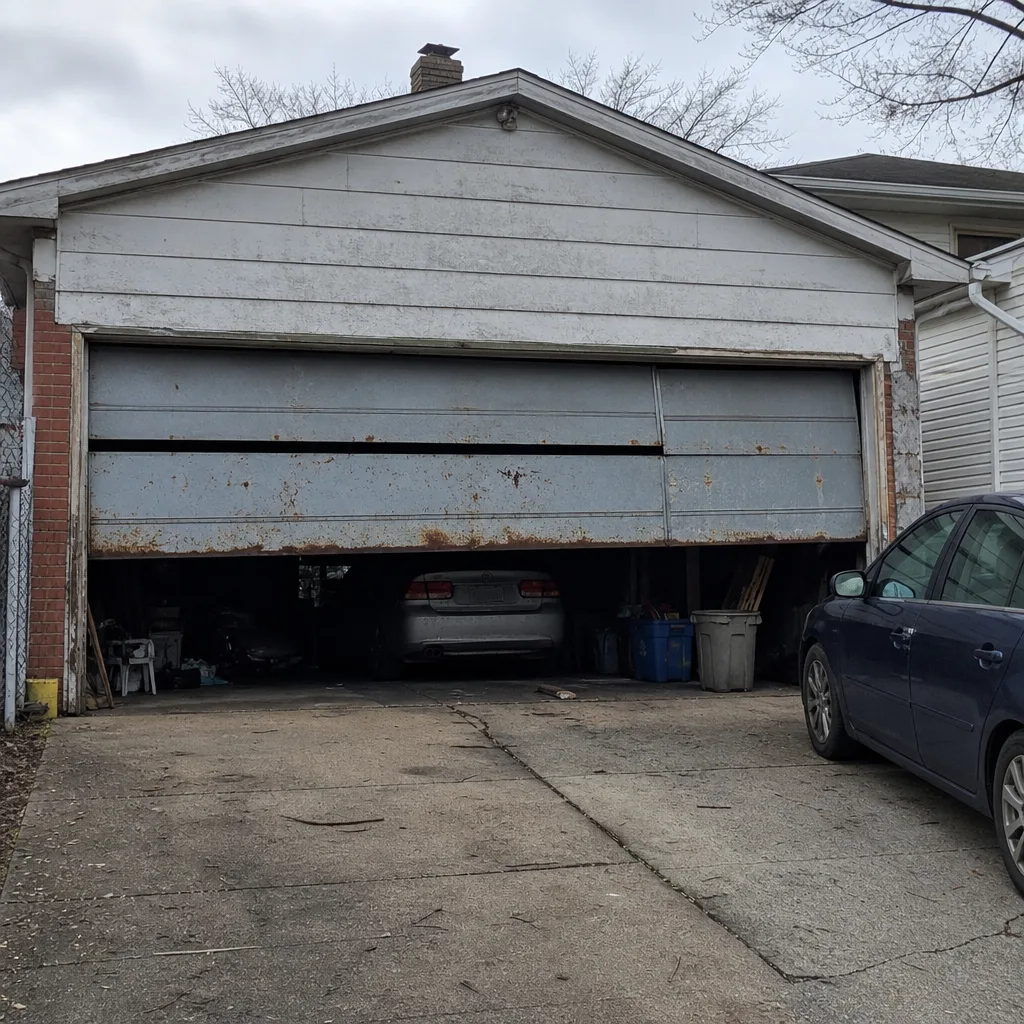 Before
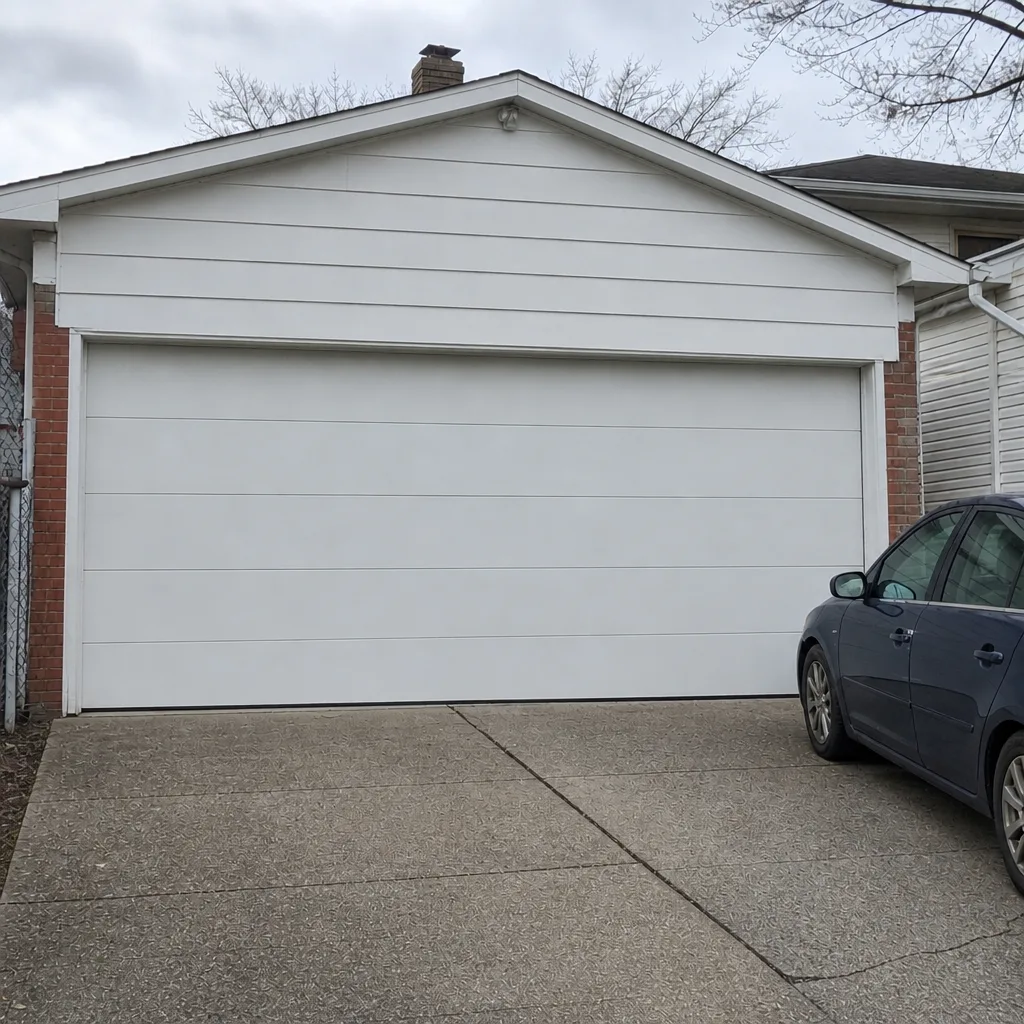 After
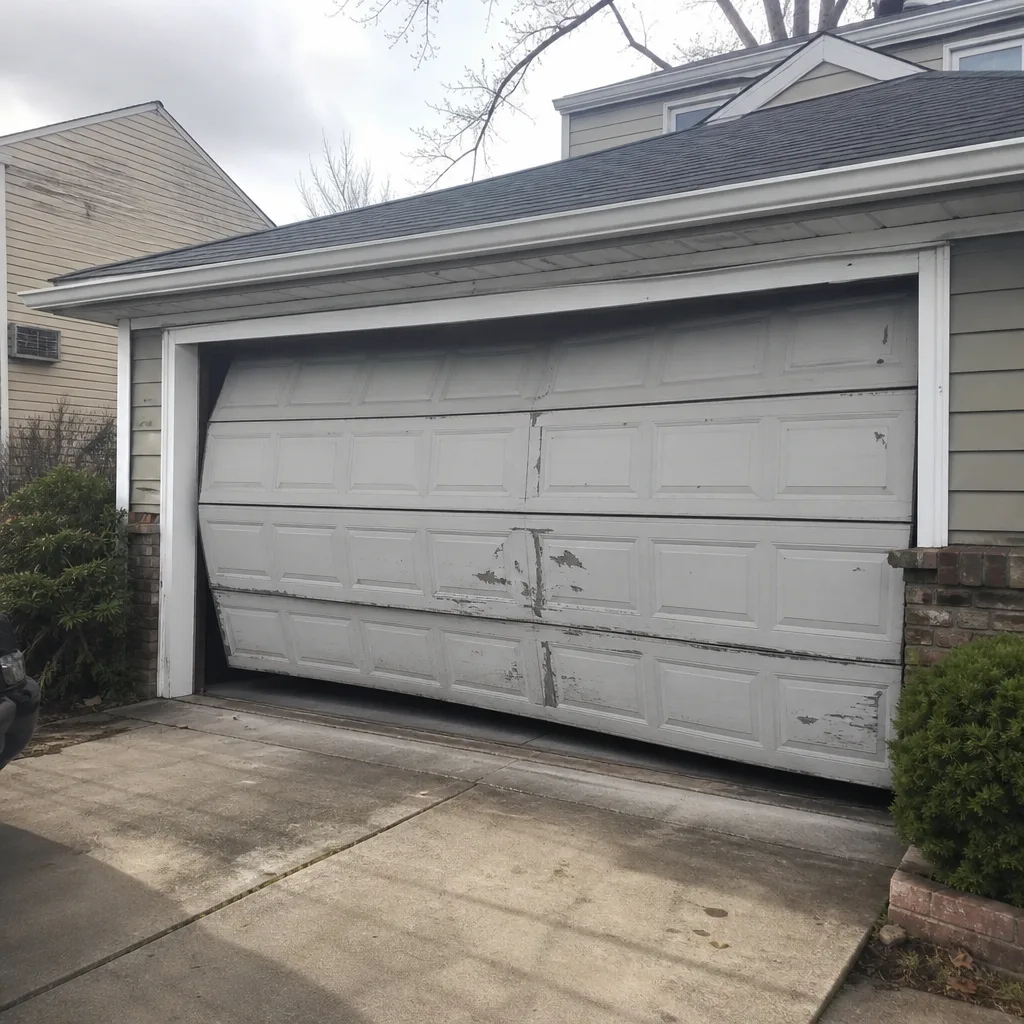 Before
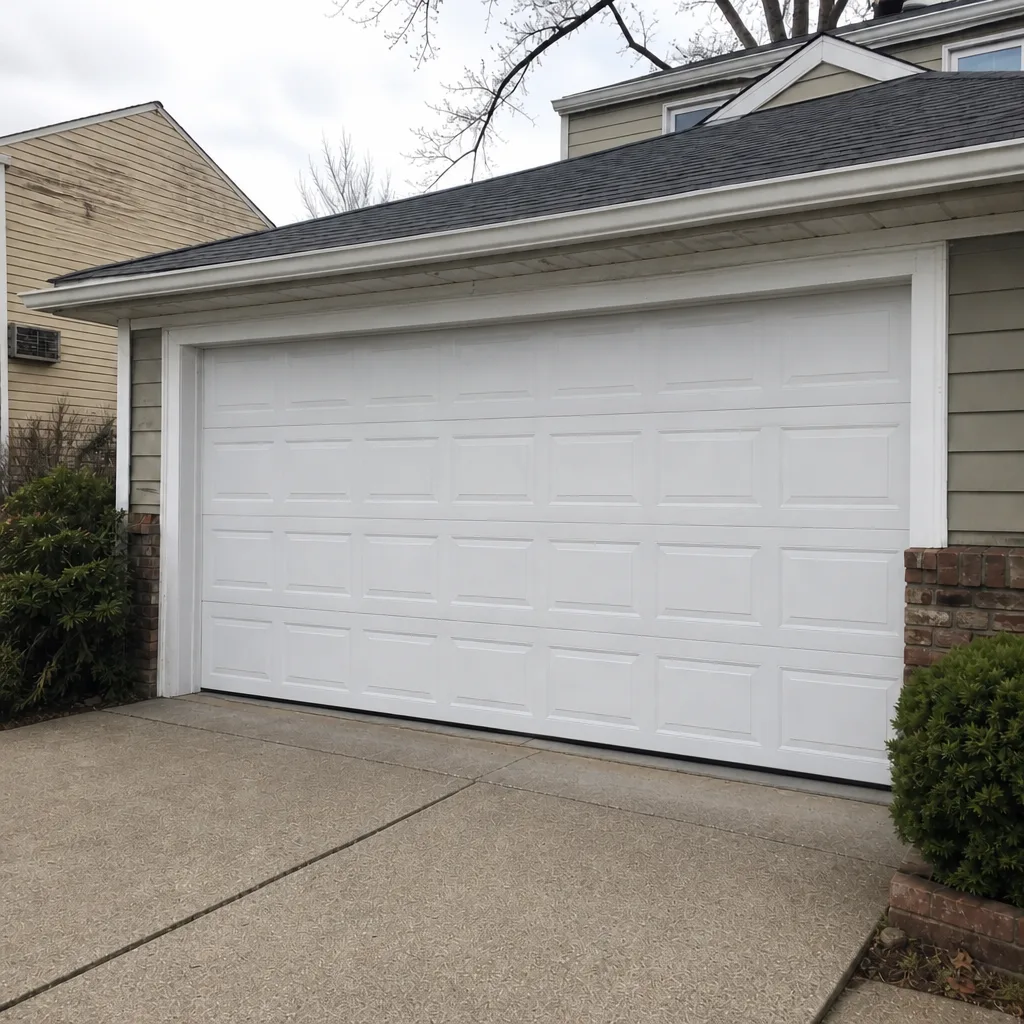 After
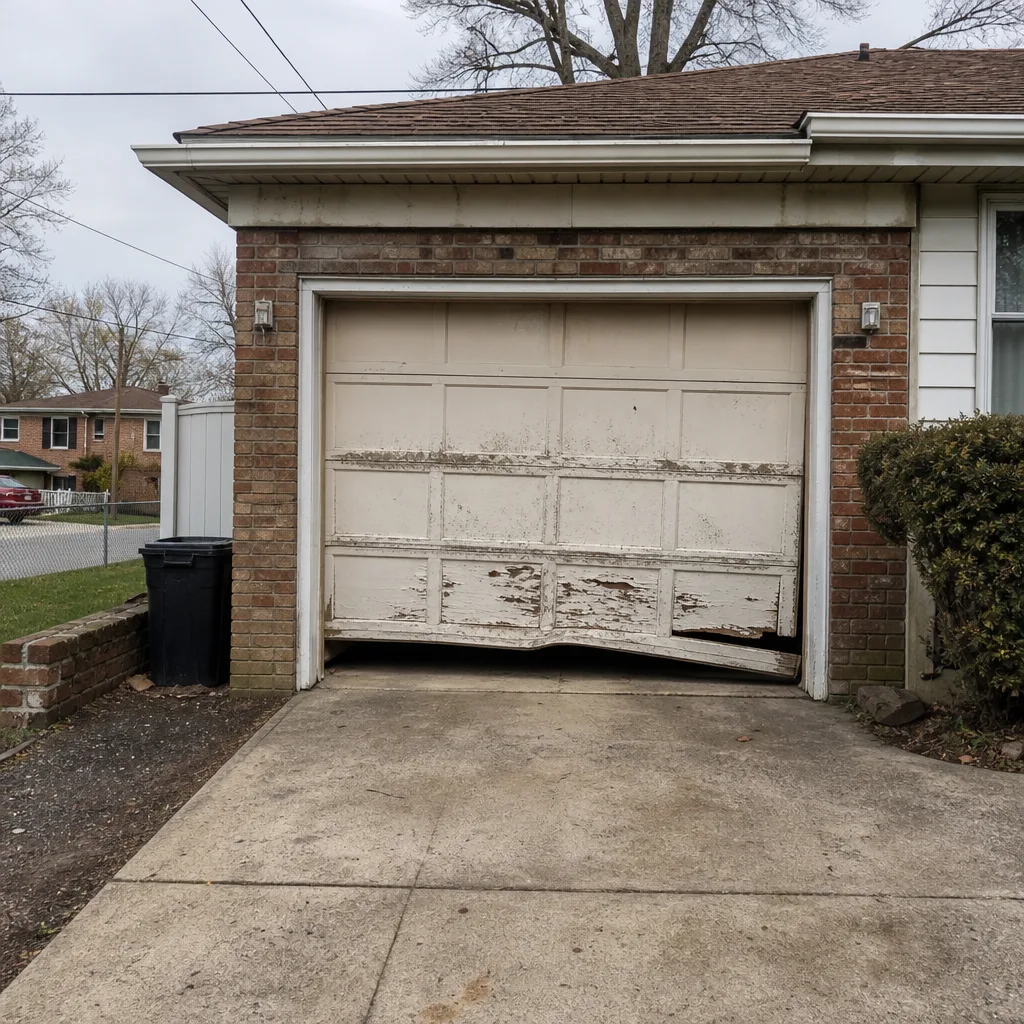 Before
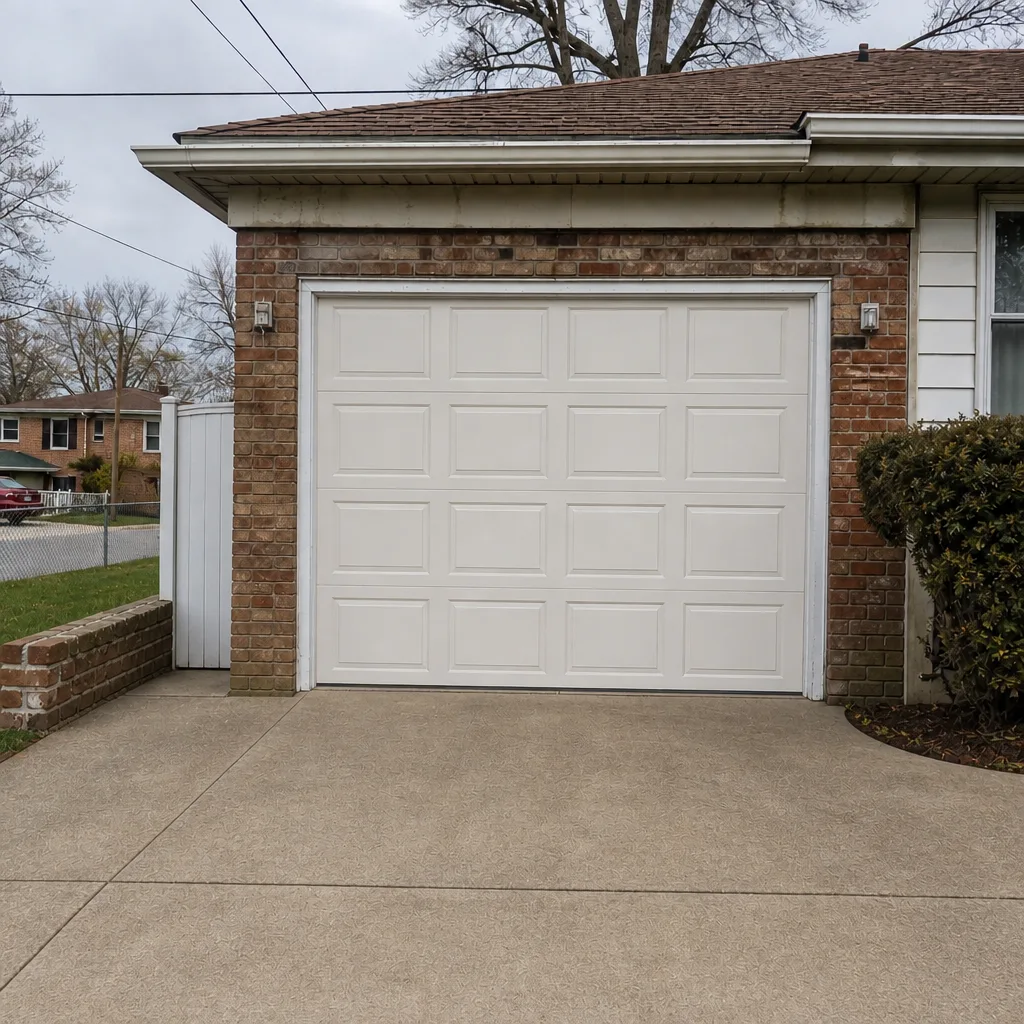 After
Frequently Asked Questions
A snapped torsion spring is the most urgent. If you see a clear gap in the horizontal coil above the door, or you hear a loud bang followed by a door that won’t lift, stop using the door and call for service. The car can wait; the door should not move until a technician has looked at it.
Yes. Intermittent failure is the last stage before a hard failure, and every cycle trains you to trust it. A door that has stopped has already failed safely; a door that “mostly works” is still in operation with a failing spring, cable or opener. Book a visit now rather than waiting for it to make the decision for you.
Grinding is a harsh metal-on-metal sound, and it usually means a roller is seized, a track is being gouged, or an opener gear is wearing. Squealing is a higher-pitched friction sound that comes from a lack of lubrication on hinges and pivot points. Grinding is Tier 2; squealing is usually Tier 1 unless it’s paired with slow or uneven travel.
A door that reverses before touching the floor is usually detecting resistance. The two common causes are the safety sensors or a force setting that’s too sensitive. Check whether the sensor lights are on and that nothing is blocking the beam. If both look normal and the door still reverses, it’s worth a professional diagnostic.
You can look from a distance, and you should – a visible gap in the coil or a frayed cable is a clear warning. What you should never do is touch the springs, cables or shaft, even to check tension by hand. A trained garage door technician handles spring work because the stored energy is significant. If you need that service, schedule garage door repair and let a technician handle the spring inspection and any needed work.
Pricing is set per job by a written estimate, not a fixed rate that floats page to page. The written quote you receive is the price for that job, and the estimate is free. A matched pair is usually replaced together, and the quote reflects that. Call (855) 956-4130 for a free estimate and a clear picture of what your door needs. If a spring failure is making the door unsafe, our garage door opener repair and spring service can both get handled in one visit.
We work on doors and openers from LiftMaster, Chamberlain, Genie, Clopay, Amarr, Wayne Dalton, Craftsman and Raynor. Knowing the brand speeds up diagnosis and helps us source the correct part. Whether you’re troubleshooting an older Craftsman opener or considering a modern replacement, you can garage door installation plan around the hardware you actually have.
If the door is already down, leave it down and don’t lift it. If it’s open and the spring has failed, don’t force it down by hand; a door at that weight can come down hard. Keep people and pets clear and call for help. Our Garage Door Repair Gravesend team handles broken springs and can talk you through what to do safely over the phone.
The Bottom Line
Garage door warning signs are only useful if you know what to do with them. Sort each symptom into a tier – monitor, stop and schedule, or stop now – and the right response becomes obvious. Grinding, visible cable damage and a snapped spring are Tier 3 and need immediate attention. Slow travel, uneven movement and intermittent failure are Tier 2 and should be booked before they escalate. Squealing, rattling and cosmetic wear are Tier 1 and worth a routine visit. A Gravesend homeowner who can read this far has most of the diagnostic skill needed to protect the door and the house. The rest is picking up the phone when the symptoms tell you to.
Contact Us
If this guide helped you find a warning sign you hadn’t noticed, that’s a reason to schedule a visit, not a reason to wait. Garage Door Repair Gravesend handles repair, opener service, installation, emergency calls and dedicated spring work across the full brand lineup. Call (855) 956-4130 for a free estimate. We answer 24/7. Fast dispatch from 7am to 7pm, Sunday through Friday.
Written by the team at Garage Door Repair Gravesend.