
Last updated November 21, 2026
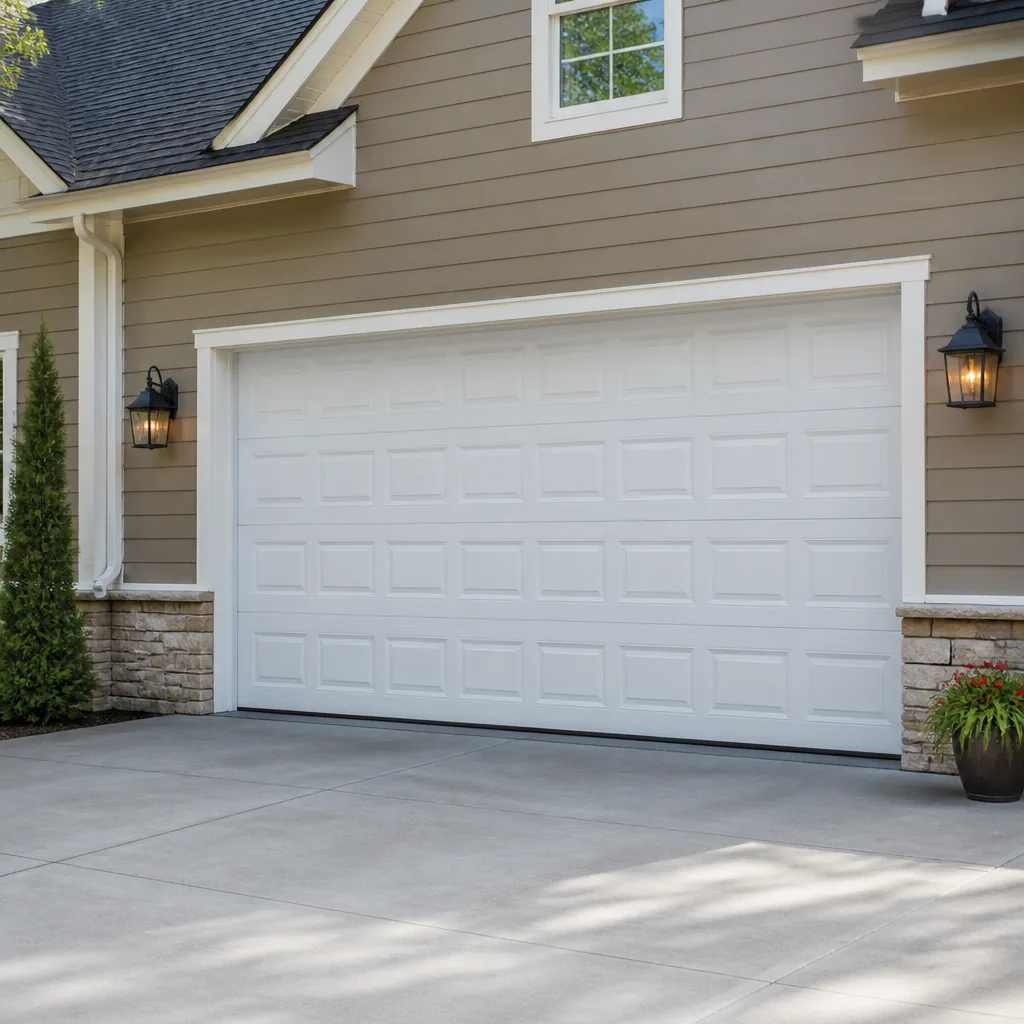 Raised-panel steel
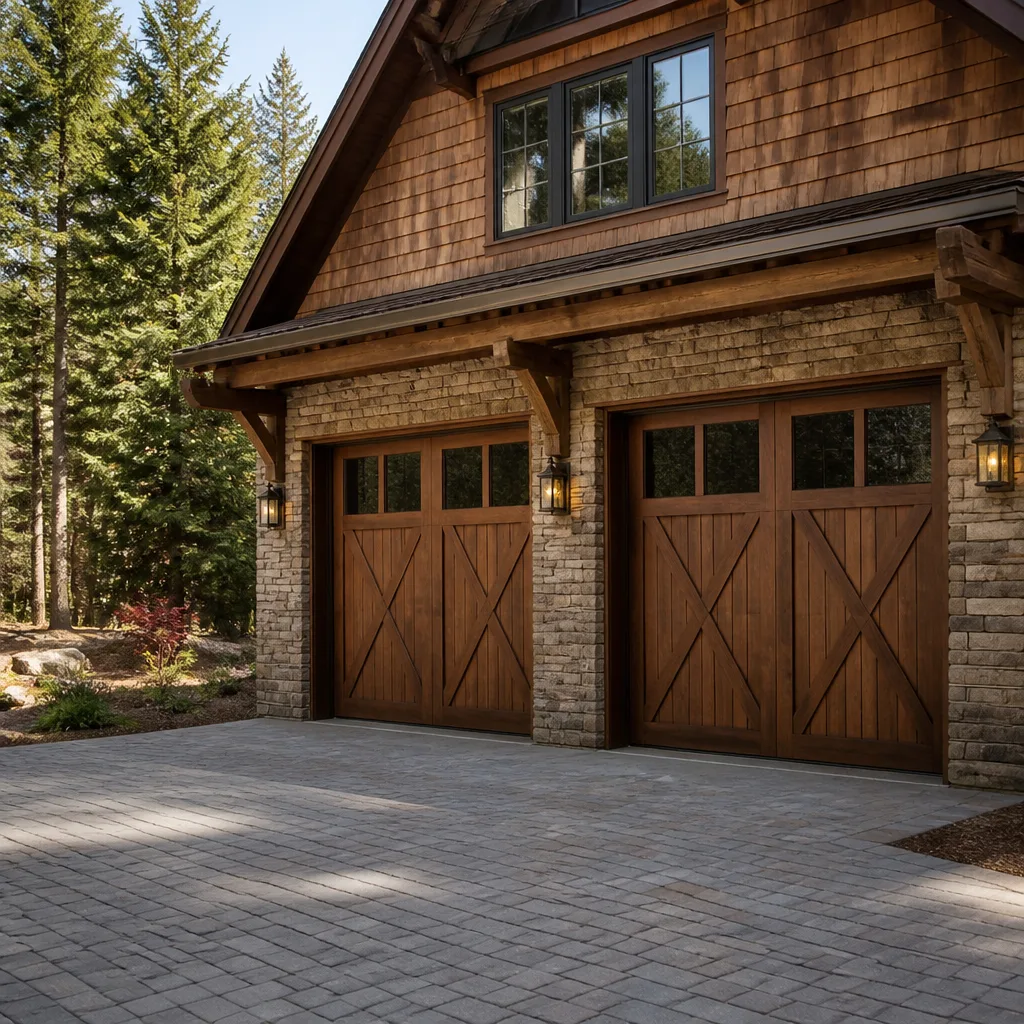 Carriage house
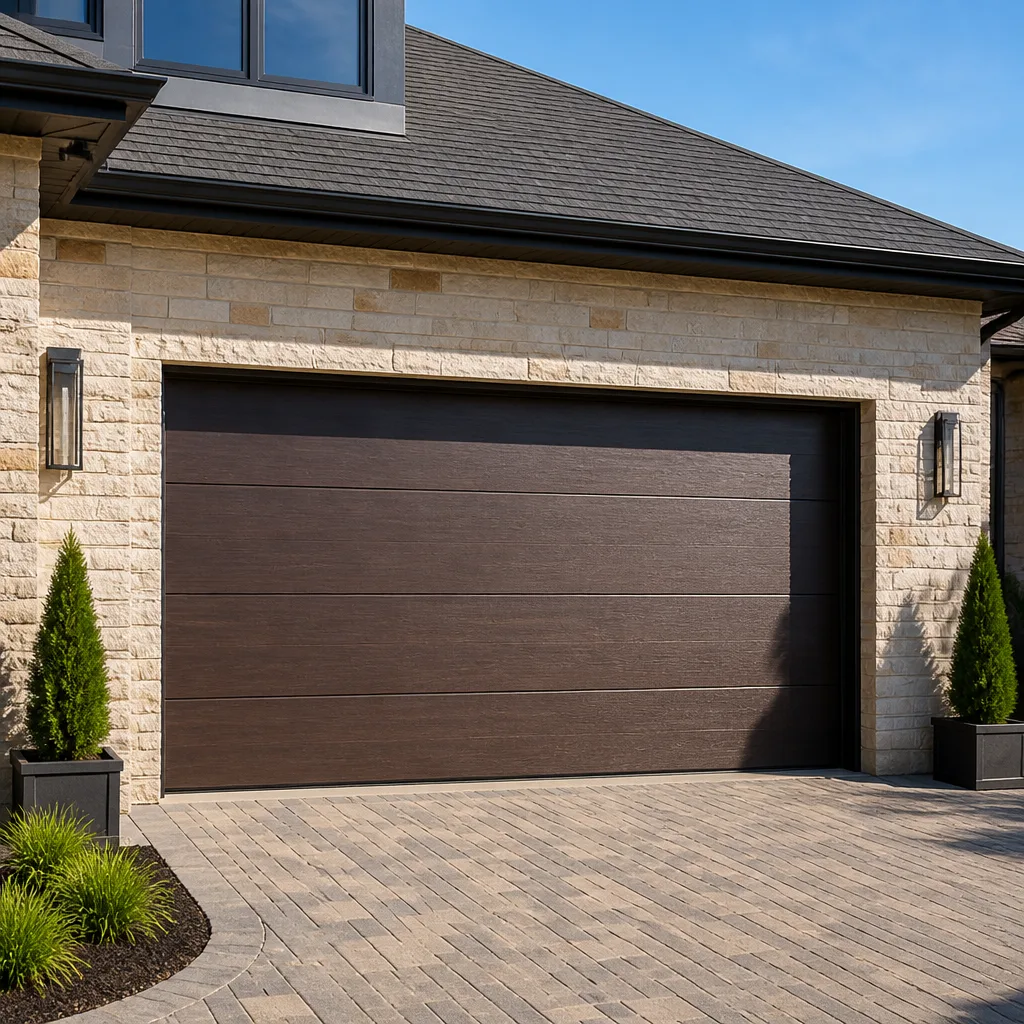 Modern flush
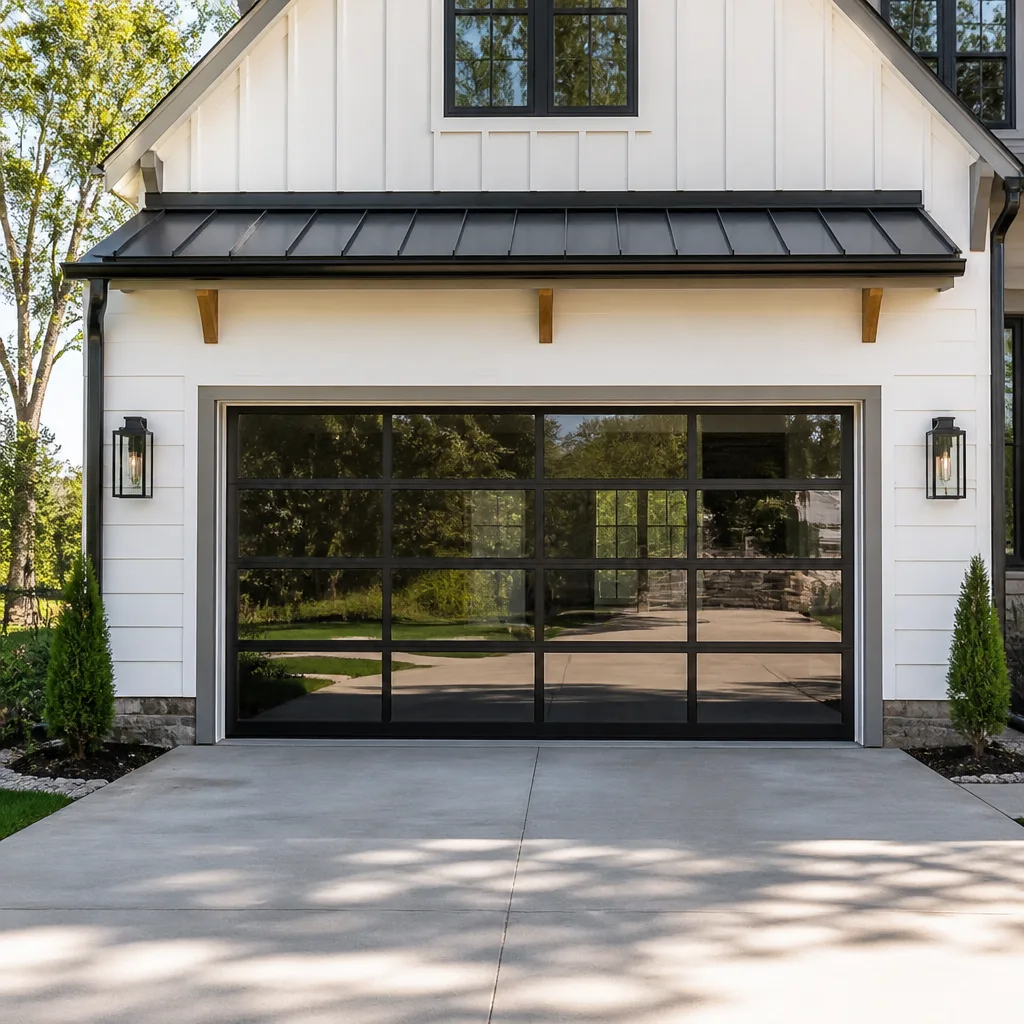 Full-view glass
 LiftMaster openers
 Chamberlain openers
Full 25-point door and opener safety check with every visit - springs, cables, rollers, tracks, and your LiftMaster or Chamberlain opener included
You get a price before we start. It does not change when the pro arrives.
Get your free estimateGarage Door Permits, Codes & Inspections in Gravesend, NY: What You Need to Know
Installing a heavier door without a DOB filing won’t trigger a fine tomorrow. But it can surface years later as an open violation the day you try to sell your home, and that’s the scenario most Gravesend homeowners never see coming. The common belief is that a garage door is a product, not construction work, so swapping one out shouldn’t involve the city at all. Sometimes that’s true. Sometimes it isn’t. The difference comes down to a handful of specifics: the size of the opening, whether a structural header moves, and how the new motor draws power. This guide maps where New York City’s line between a like-for-like replacement and an alteration actually sits, what paperwork to gather either way, and how to check what previous owners filed before your current door went up.
Quick Answer
In Gravesend, replacing a garage door with one of the same size in the same opening, using the same power source, is generally treated as a like-for-like replacement and doesn’t require a Department of Buildings filing. Anything that changes the opening’s dimensions, alters the structural header above the door, or requires upgraded electrical service crosses into alteration territory and typically does need a DOB filing through a licensed professional. When in doubt, ask the NYC Department of Buildings or your local filing professional before the door is ordered, not after it’s hanging.
Styles & brands we work with
- Raised-panel steel
- Carriage house
- Modern flush
- Full-view glass
- LiftMaster openers
- Chamberlain openers
Table of Contents
- How does the NYC DOB define a like-for-like garage door replacement?
- Which changes push a Gravesend garage door job into alteration territory?
- What rules apply in Brooklyn Community Board 15 and Gravesend’s special zones?
- How to pull your property’s permit record in Gravesend
- What a licensed contractor should put in writing
- Insurance and title trouble from an unpermitted alteration
- What an inspection of an existing garage door involves
How does the NYC DOB define a like-for-like garage door replacement?
A like-for-like replacement means the new door matches the old one in size, weight class, track configuration and power supply, and the work stays within the existing opening without touching framing. The city treats it as ordinary maintenance, similar to replacing a worn window sash in the same frame. No filing, no inspection, no permit number.
The specific boundaries that keep a job on the “replacement” side of the line:
- Same clear opening width and height. Even an inch of extra width means cutting into the opening’s framing, which is structural work.
- Same material class and door type. Swapping a sectional steel door for another sectional steel door is straightforward. Converting a section of the garage into a roll-up commercial-style door, or replacing a tilt-up with a sectional, changes how the load transfers and usually requires review.
- No changes to the header. The beam of framing across the top of the opening carries load from the wall above. Keep it untouched and you’re likely in replacement territory.
- Same electrical supply. If your current opener runs on a standard household circuit and the new one does too, you’re fine. If the new opener requires a dedicated circuit or higher amperage, that’s electrical work and it can pull the whole job into a filing.
- Same headroom and track layout. Low-headroom setups, high-lift tracks and side-mount openers each have their own structural requirements. Moving between them isn’t cosmetic.
We’re often asked whether a door that’s heavier than the original but the same size needs a file. That’s a gray area. The opening itself hasn’t changed, but the load on the springs, tracks and header may have. A structural review or a conversation with a filing professional is worth having before you commit to the door, because retrofitting a permit around a finished install is always more expensive than filing before the fact. For standard replacements in a typical Gravesend two-car garage, the boundary usually holds and no filing is needed. For anything unusual, our team can talk through garage door installation specifics before you order.
Which changes push a Gravesend garage door job into alteration territory?
An alteration means you’re modifying the structure, not just the door. NYC’s building code treats it differently from a straightforward replacement, and that difference shows up in permits, plan review and inspections. The three triggers we see most often in Gravesend are size changes, header work and electrical upgrades. Each one deserves a real conversation before work starts.
Other changes that push the job into alteration territory:
- Enlarging the opening. Widening a single-car opening to fit a double door is framing work. Cutting the header, moving the jack studs and rebuilding the wall above requires a filing and usually engineering input.
- Reducing the opening. Going the other direction sounds easier, but infill work in a load-bearing wall still counts as structural alteration.
- Raising or lowering the header. Even a small header adjustment changes the load path above the door and typically needs engineering review.
- Converting the garage to another use. If the door is being replaced by a wall or window as part of a garage-to-living-space conversion, that’s a change of use, not a garage door job, and it goes through a much more involved filing process.
- Electrical service upgrades. A new opener drawing enough current to need a dedicated circuit means electrical permits and an electrical inspection alongside any structural filing.
A heavier door on the same opening is the tricky middle case. The opening is unchanged, so it doesn’t obviously trigger a filing. But a heavier door asks more of the header, the tracks, and the springs, and a structural review may be the right call. If your current door was installed by a previous owner and never filed, and you’re now upgrading, a permit professional can look at the whole picture before you commit. This is one of the few areas where asking first saves money later.
What rules apply in Brooklyn Community Board 15 and Gravesend’s special zones?
Brooklyn Community Board 15 covers Gravesend, Sheepshead Bay and Manhattan Beach, and it functions as a local advisory board rather than a permitting authority. The board doesn’t approve individual garage door jobs. It reviews land-use matters, zoning changes and neighborhood development questions, and it can weigh in on public safety concerns like sidewalk access and curb cuts. For a typical garage door installation, there’s no Community Board filing.
The special-purpose zones matter more than the board does. Some Brooklyn blocks are subject to neighborhood preservation or special purpose district rules that limit changes to the street-facing façade of a building. For a standalone garage with a door visible from the street, those rules can come into play, mainly around how much of the visible façade can be changed. Historic district designations, where they apply, add review of the design, materials and proportions of any visible exterior alteration.
What to do if you’re unsure whether your block sits in a special district:
- Enter your property’s block and lot number into NYC’s zoning and land-use lookup to see any district overlays.
- Ask your local filing professional to confirm whether a special purpose district affects the façade rules.
- If the door is clearly visible from the street and you’re changing its type or proportions, plan the review time into the project.
Most Gravesend residential garage doors are on the side or rear of the structure, which keeps the special-district question simple. But some properties back onto the street, or have a detached garage facing the sidewalk, and those are the ones where a five-minute check saves a longer conversation later. When you call Garage Door Repair Gravesend for an estimate, we can flag whether the door’s placement is likely to raise a district question before you commit to a product.
How to pull your property’s permit record in Gravesend
Before you order a new door, it helps to know what was filed the last time the current door was installed. If the previous owner filed correctly, you have a clean starting point. If they didn’t, and the current door involved any alteration work, you may be inheriting an open file without knowing it. Checking is straightforward and doesn’t cost anything.
Steps for pulling the record:
- Find your block and lot. NYC’s property records and the Department of Buildings website both let you search by address. Note the block and lot number; you’ll use it for every step that follows.
- Search the DOB records by address. Enter your full street address and check the list of filings, permits, complaints and violations attached to the property.
- Read the actions tab on any permit. A permit isn’t the same as a closed job. An open permit that never received a final inspection shows as “open” in the records even if the work was finished long ago. That’s the scenario to watch for.
- Check for violations separately. Look at the violations tab even if permits look clean. A garage-to-living-space conversion that went in without a filing may show as an open violation without any permit to point to.
- Note the date of the last garage-related filing. If your door was installed well after the last filing date, the install may not be reflected in the record, and you should ask whether it needed to be.
What you’re looking for is either a clean record or a known document trail. What you’re not looking for is a panic. Plenty of Gravesend homes have perfectly legal garage door replacements that never needed a filing in the first place. The check is simply a way to know where you stand before you make changes. If a record comes back unclear, a permit professional can interpret it, and it’s worth the time before the door is ordered. If you ever need help with a door that isn’t functioning correctly while you sort out the paperwork, garage door repair can be booked separately.
What a licensed contractor should put in writing
A permitted garage door job and a standard like-for-like replacement call for different paperwork. For a replacement, the writing is mostly scope and price. For an alteration that requires a DOB filing, the writing is scope, price, and specific documentation tied to the filing. Knowing what belongs in each helps you spot a proposal that’s missing something.
For a standard replacement, ask for:
- Door make, model and size, and the operator make and model if one is included.
- Track and hardware specification, and spring type and cycle rating.
- The written price, itemized so removal, delivery, install and haul-away are each visible.
- The name and contact details of the installing professional, so you can verify credentials independently.
For a permitted alteration, ask for these on top of the above:
- The filing professional’s name and registration number, and a copy of the filing receipt once the job is filed.
- A written description of the structural scope: what’s being changed in the opening, the header, and any electrical service.
- Who pulls the permit, and whose name goes on it. In NYC, the filing professional is the one who files and signs.
- Who schedules the inspection, and what happens if the inspection finds an issue.
- A signature block on the contract, not just a handshake, with the price and scope matching the filing.
When two documents don’t match, that’s the moment to stop and clarify. A permit filing that describes a smaller opening than the door in the contract, or an electrical scope that doesn’t appear in the filing, is the kind of gap that causes headaches at resale. Our team knows the eight most-installed brands, including Amarr, Wayne Dalton, Craftsman and Raynor, which means we can source a door that fits the existing opening in most cases and keeps you in the replacement lane. If a job does cross into alteration territory, we’ll say so before you commit. Book a free estimate and we’ll go through the scope together.
Insurance and title trouble from an unpermitted alteration
The reason to sort permits before the door goes up isn’t the fine. It’s the paperwork trail you don’t have when you need it. Say a garage door is installed as part of an alteration that never got filed. The install itself may be perfectly fine. But the door is now part of an unrecorded change to the structure, and that can create complications in three places: insurance claims, home sale disclosures and title review.
The insurance angle first. A homeowners policy covers the structure as built and on record. If a claim involves the garage, an adjuster reviewing a heavy door, altered opening or upgraded electrical service may ask for the permit and inspection record. No record means the adjuster has less information to work with, and depending on the policy language, the claim can be reduced or denied. That’s not a scare tactic; it’s how structural alteration claims typically get reviewed.
Title and sale is the slower-burn issue. Most buyers’ attorneys pull permit records during due diligence. An open permit or violation on the property shows up in that pull. The seller then has to either close the file with a retroactive permit and inspection, or disclose the issue and negotiate around it. Either path costs time and money.
Resolving an open violation retroactively usually involves:
- Identifying the scope of the work. A permit professional reviews the current condition against whatever got filed to determine what’s open.
- Filing for the work as built. In many cases the DOB allows a retroactive filing for work that’s already done, provided the condition matches the plans.
- Correcting any non-compliance. If the installed door doesn’t meet code for the opening, this is where it gets fixed.
- Scheduling inspections. The filing professional schedules the required inspections and closes out the permit once they pass.
None of this is impossible to resolve. It just takes longer, and it happens before a sale rather than during one. If you’re unsure whether your current door sits inside an open file, a records check is the first step. Our team can connect you with a filing professional who handles garage door alteration files, and we can address the door itself separately. Our technicians have up to 11 years of experience with installations and replacements, and we’re glad to look at the physical door while the paperwork side runs in parallel.
What an inspection of an existing garage door involves
For a permitted alteration, the inspection is a formal DOB process. For an existing door that’s never been filed, the useful thing is a condition assessment: a walk-through that identifies what would need to change to bring a door and its opening into compliance, and what state the mechanicals are in. Both matter, and both start with the same basics.
The physical side of a garage door assessment covers:
- Springs. Type, cycle rating and condition. Springs are the heart of your door. A worn or mismatched spring set is both a failure risk and a sign the door may be heavier than the original hardware was designed for.
- Cables and drums. Fraying, looseness and alignment. Anything off here is a safety issue, not a tuning issue.
- Tracks and rollers. Bent tracks, worn rollers and missing fasteners. The door should run flat and quiet through the full travel.
- Balance and travel. The door should hold position halfway up and close evenly without binding.
- Safety reverse. The operator’s photo-eye and pressure reversal testing matters for any door with an opener.
- Header and framing. Visual assessment of the wall above the opening, especially if a heavier door has been installed.
- Electrical. Opener circuit, dedicated or shared, and any evidence of unpermitted electrical work.
The paperwork side runs in parallel. A filing professional compares the current door to whatever’s on record and identifies what, if anything, needs to be filed retroactively. For most Gravesend homes, the physical side is straightforward and the paperwork side is just a records check. For those, no further action is needed. For the rest, having the physical assessment in hand makes the filing conversation concrete. If your operator is showing signs of wear or failing to close reliably, garage door opener repair can be scheduled separately from any permit work, so the safety side of the door doesn’t wait on paperwork.
Common Mistakes to Avoid
- Assuming the door you’re replacing can be swapped for anything. Like-for-like means the door matches the old one in size, weight class and power needs. If you’re upgrading to a heavier door or a different type, that’s often the moment the job changes category.
- Skipping the records check before you sell. A clean pull is worth having in hand during due diligence rather than discovering an open permit mid-contract. It’s a free check and takes minutes.
- Hiring the lowest quote without matching paperwork. When the contract scope and any DOB filing don’t line up line-for-line, you’re the one left holding the discrepancy at resale.
- Treating an electrical upgrade as a garage door job. A new opener that needs a dedicated circuit is electrical work, not just a swap. That’s one of the specific triggers that pushes a job into alteration territory.
- Ignoring the header because the door fits. A heavier door can fit the opening fine while asking more of the structure above it. A quick check is worth it before you commit.
- Trying to handle a spring or cable issue as part of the permit conversation. Springs and cables are under extreme tension and are not a do-it-yourself project. That part of any garage door job belongs to a trained technician, every time.
- Assuming a Brooklyn Community Board 15 matter is a permit matter. The board is advisory. Permits come from the DOB, and the channel matters when you have a real question.
See the difference
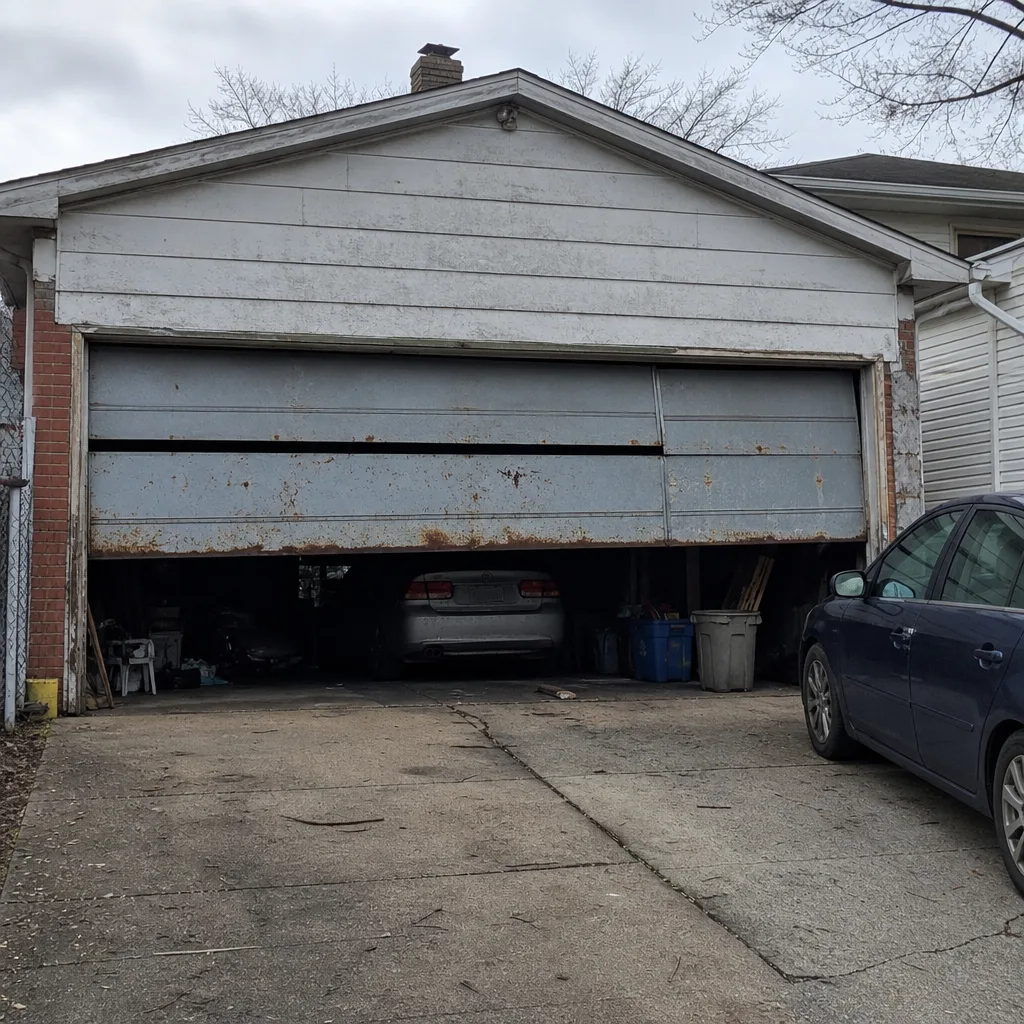 Before
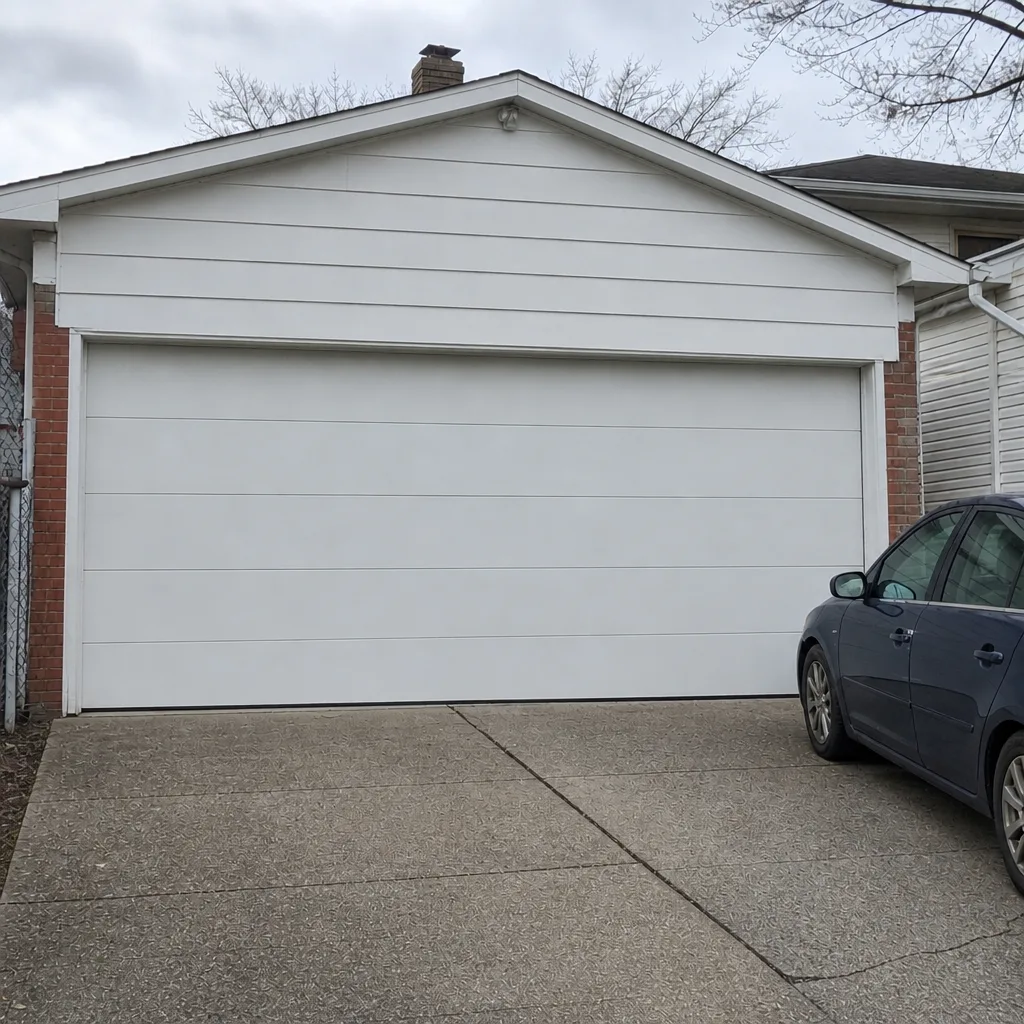 After
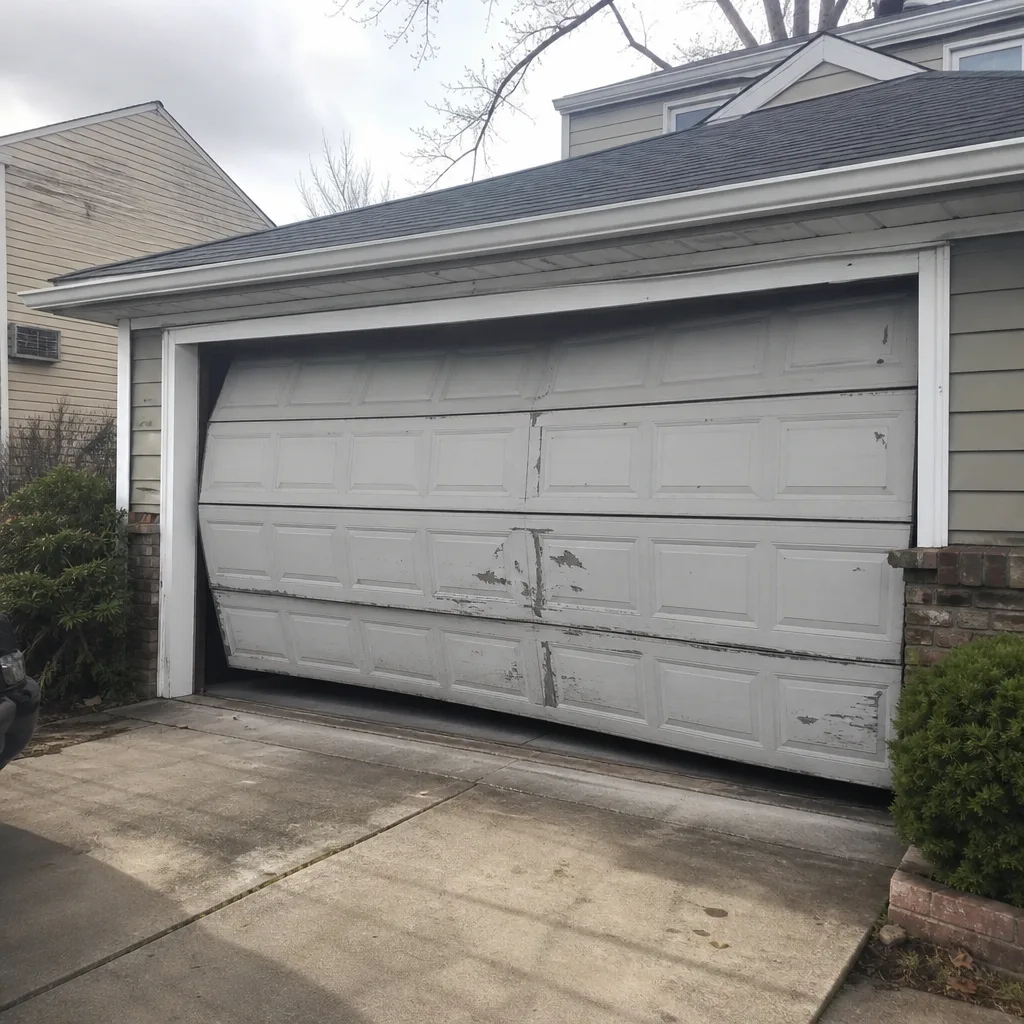 Before
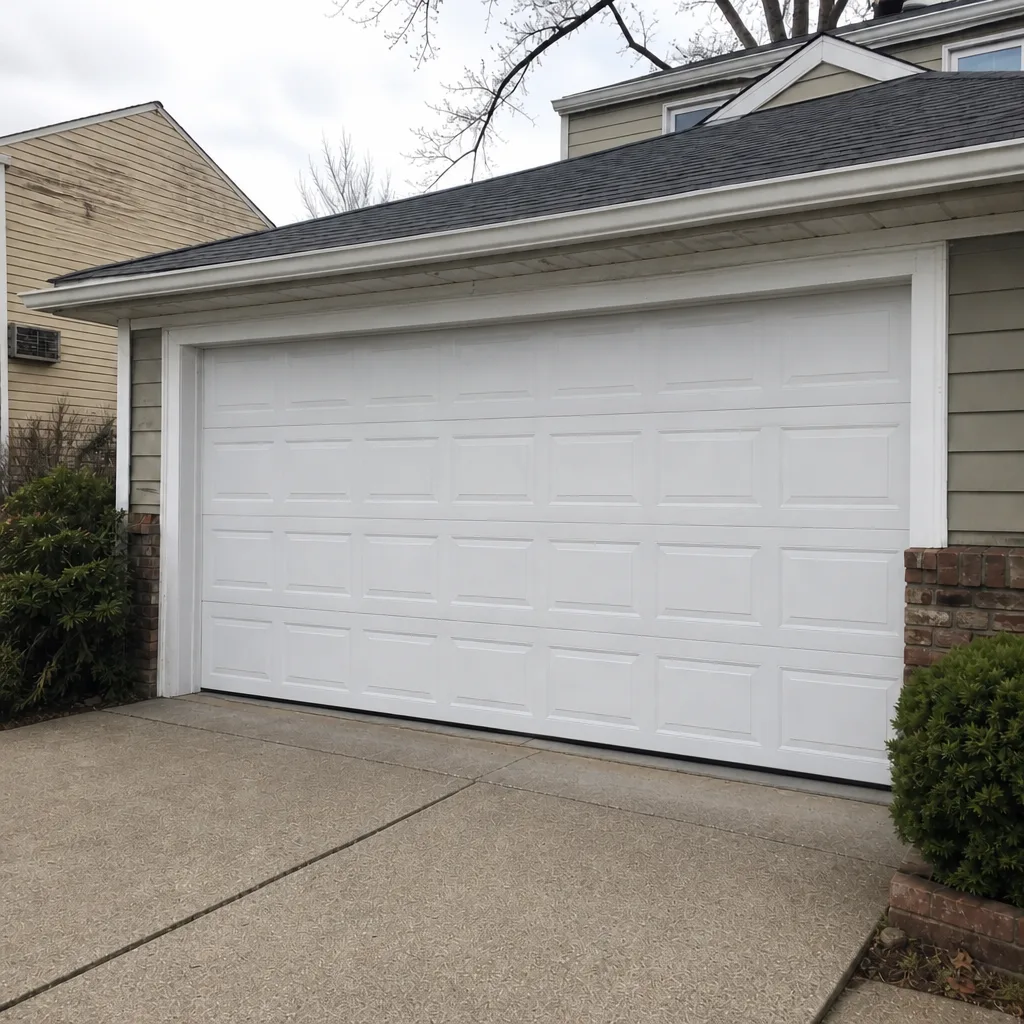 After
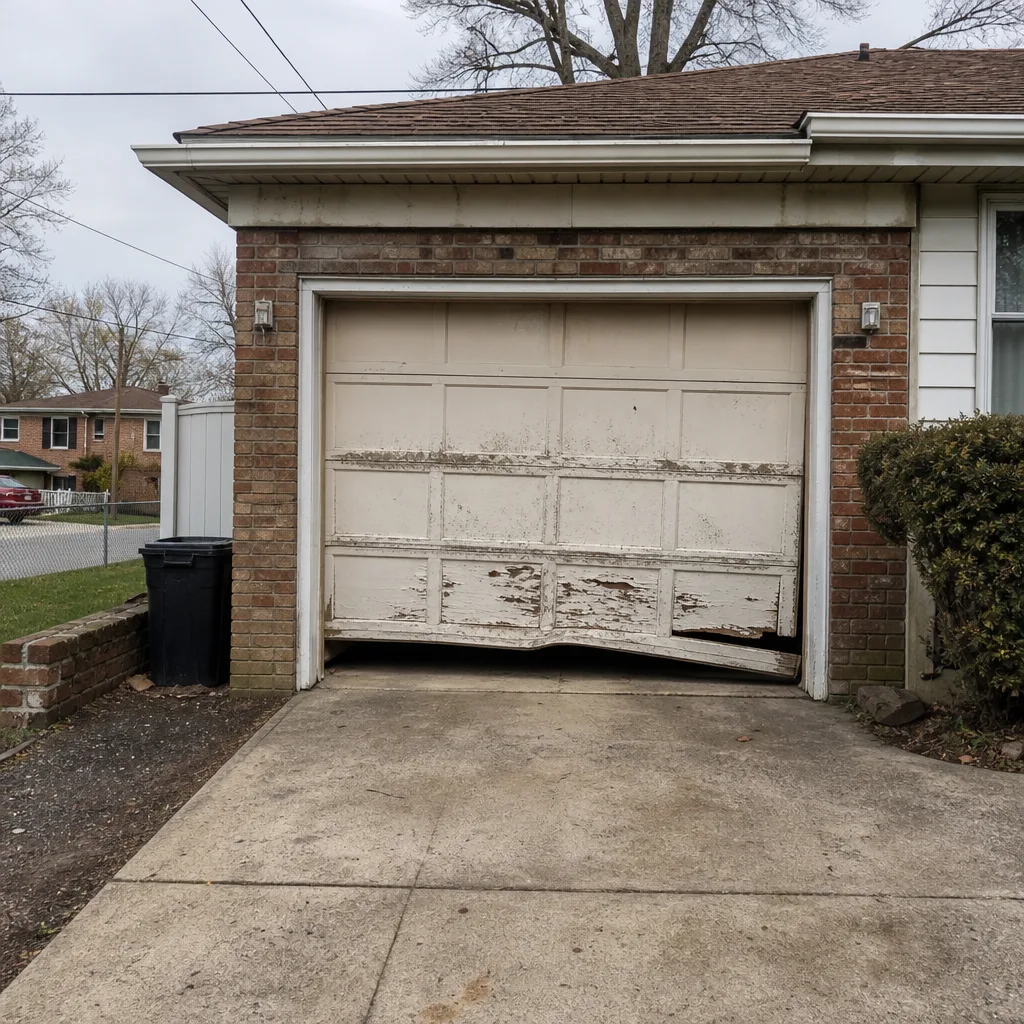 Before
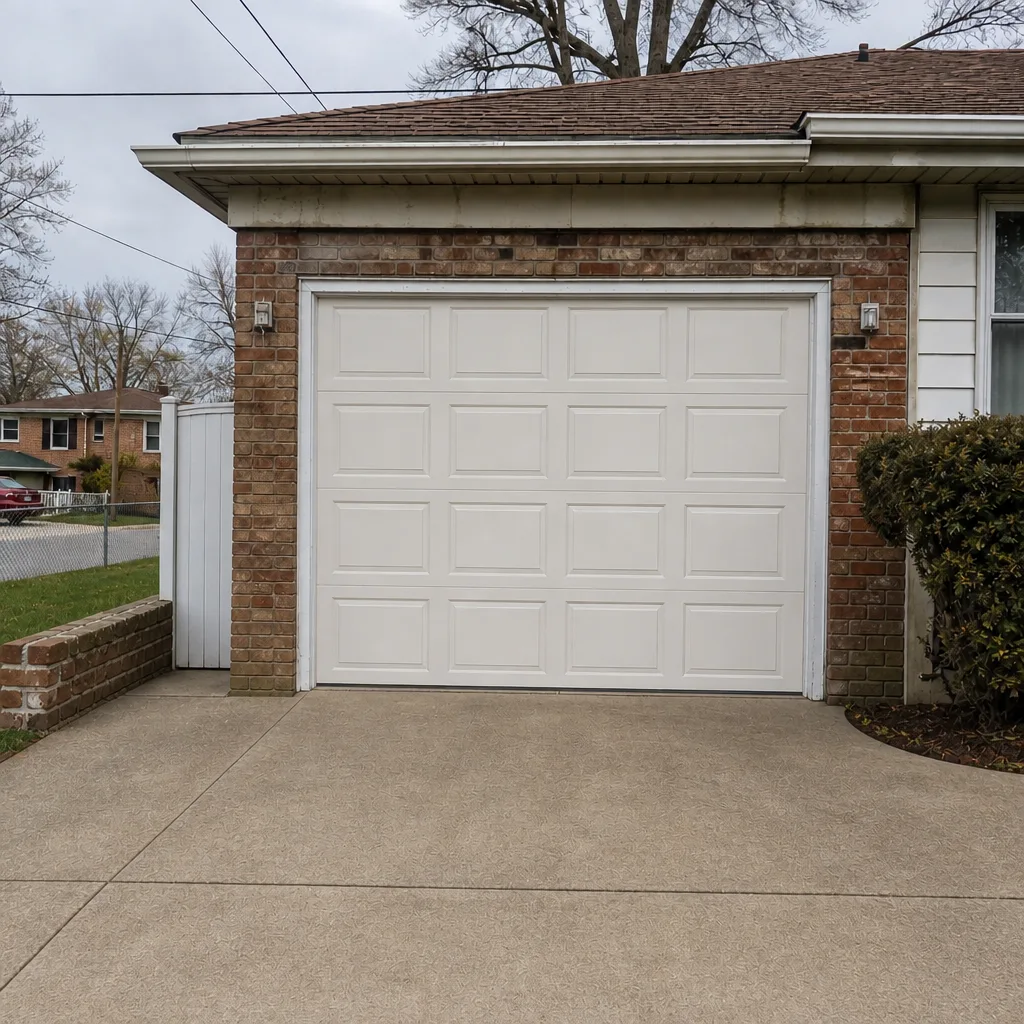 After
When to Call a Professional
Call a professional if your garage door has ever been installed after the last documented filing on your property and you’re unsure whether a permit was needed. Call if you’re planning a heavier door, a wider opening or a new opener that requires upgraded electrical service, and you want the scope clarified before you order. Call if you’ve found an open permit or violation on your property record and need help understanding what the physical side of the door requires. And call if the door itself is failing, sticking, or has a spring or cable problem; the mechanical side of a garage door never belongs to a homeowner. Garage Door Repair Gravesend offers free estimates in Gravesend. Call (855) 956-4130. We answer 24/7. Fast dispatch from 7am to 7pm, Sunday through Friday. We’re closed on Saturday.
Frequently Asked Questions
Usually not, if the door matches the old one in size, type and power source. A like-for-like replacement within the existing opening is treated as maintenance and doesn’t require a DOB filing. If the job changes the opening’s dimensions, alters the header, or requires upgraded electrical service, then it typically does need a filing. If you’re unsure which side of the line your job lands on, check with the NYC Department of Buildings or a filing professional before ordering the door. Call (855) 956-4130 for a free estimate and we can talk through the scope first.
A like-for-like replacement keeps the same clear opening dimensions, the same door type and material class, the same track and headroom layout, and the same electrical supply to the operator. Anything that changes one of those four specifics is the moment to check whether a filing is required. Heavier doors on the same opening sit in a gray zone, and a structural review is worth having before you commit. Call (855) 956-4130 to book a free estimate and we’ll go through the specifics for your opening.
No. Community Board 15 serves Gravesend, Sheepshead Bay and Manhattan Beach as an advisory board on land-use and zoning matters, not as a permitting authority for individual garage door work. Permits come from the NYC Department of Buildings. Special purpose districts and historic designations are the local overlays that can add façade review, and those are separate from the board. If your property sits in one, a filing professional can confirm. Call (855) 956-4130 for a free estimate on the door side.
Start with your block and lot number, then search the NYC Department of Buildings records by address and check both the permits tab and the violations tab. An open permit that never got a final inspection will show even if the work was finished years ago. If your door was installed after the last filing on the property record, ask a filing professional to interpret the results before you rely on them. Call (855) 956-4130 for a free estimate and we can assess the door itself while you sort the paperwork.
In many cases it can be resolved retroactively through a DOB filing for work as built, followed by inspections, provided the installed condition matches the plans. The bigger issue is timing: an unresolved open permit or violation can complicate a claim and will surface during a home sale. The earlier it’s addressed, the cheaper and simpler the fix. A filing professional should lead that conversation. Call (855) 956-4130 for a free estimate on any door work that needs to accompany the filing.
Yes, same-day emergency service is available for urgent lockouts, broken springs and doors off track, subject to our dispatch schedule. We answer 24/7; fast dispatch runs from 7am to 7pm, Sunday through Friday, and a call outside dispatch hours books into the next opening. Spring and cable failures are genuinely dangerous and are never a do-it-yourself job. Call (855) 956-4130 for a free estimate, and we’ll confirm the next available window and set the price in writing before any work starts.
No. The price is quoted and agreed before any work starts, and the written estimate sets the final price. If the assessment turns up something materially different from what we discussed on the phone, we’ll stop and re-quote with your approval before proceeding. Nobody should be surprised by the invoice on a garage door job, permit or no permit. Call (855) 956-4130 for a free estimate.
The local professionals we connect you with are licensed and insured as their state requires. We work on the eight most-installed garage door and opener brands, including Amarr, Wayne Dalton, Craftsman and Raynor, so we can diagnose and source correctly the first time. Our technicians have up to 11 years of experience with repairs, springs, openers and installations. Call (855) 956-4130 for a free estimate.
The Bottom Line
Most garage door replacements in Gravesend never touch the DOB. Like-for-like swaps stay in the maintenance lane, and no filing is needed. But when a job changes the opening, the header or the electrical supply, it crosses into alteration territory and a filing through a licensed professional is the right path. The smartest move is to check your property’s permit record and talk through the scope with a filing professional before the door is ordered. If you’re upgrading, call us and we’ll go through whether your specific job sits in the like-for-like lane or the alteration lane, free of charge.
Call (855) 956-4130 for a free estimate. We answer 24/7. Fast dispatch from 7am to 7pm, Sunday through Friday. Closed on Saturday.
Written by the team at Garage Door Repair Gravesend.