
Last updated November 21, 2026
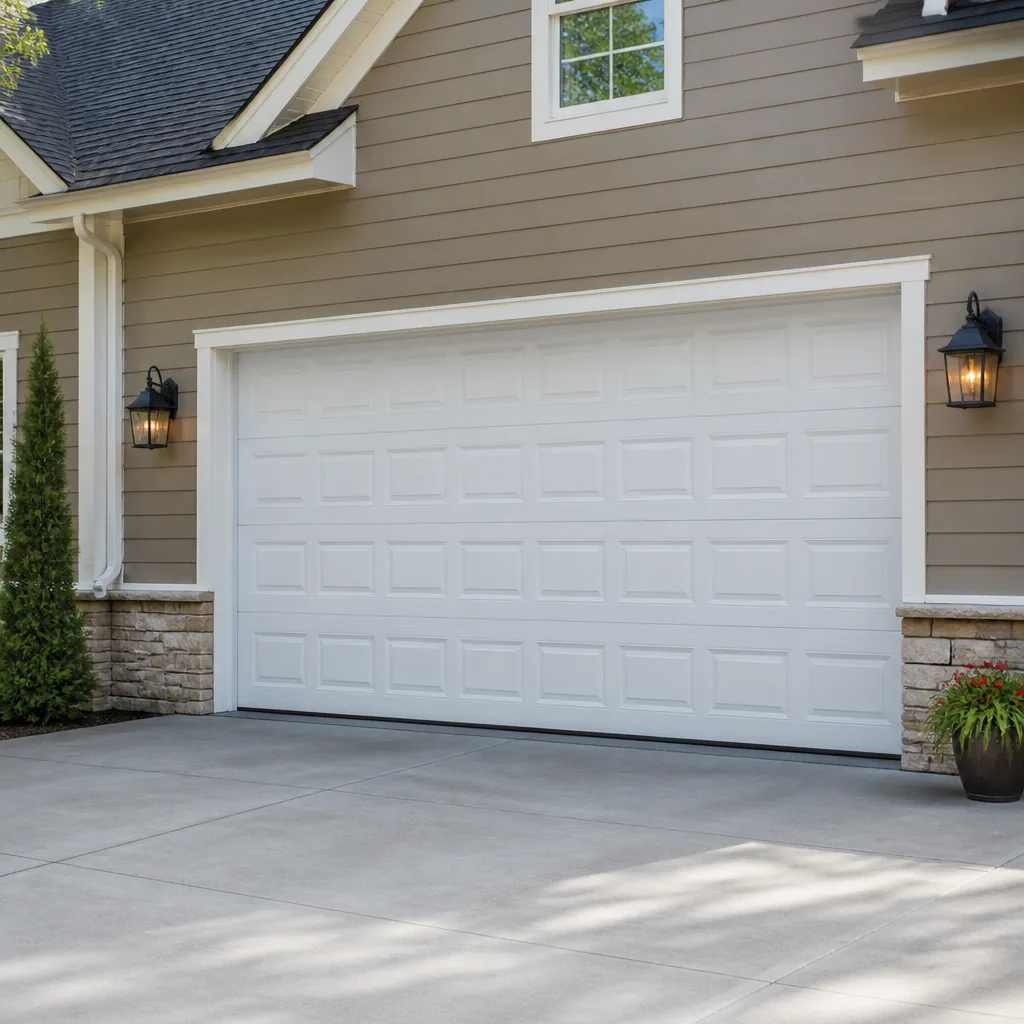 Raised-panel steel
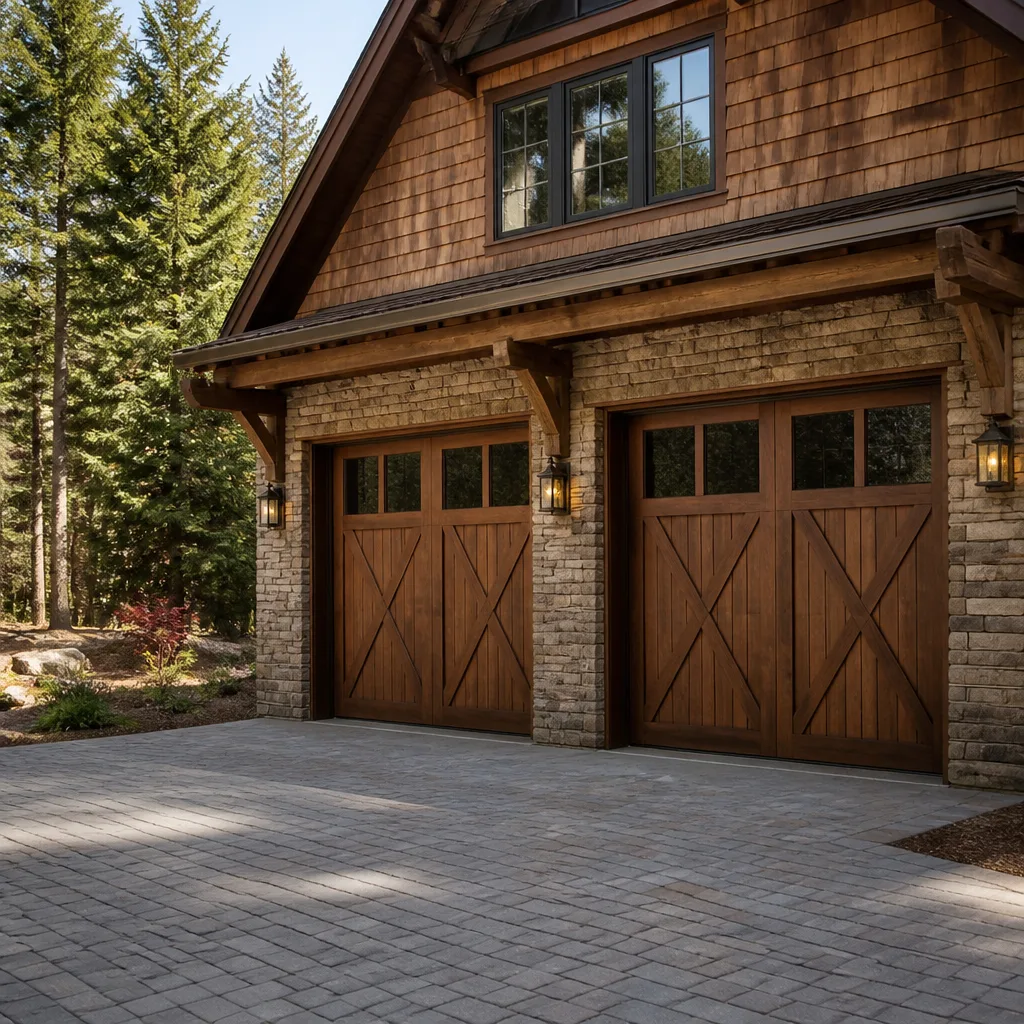 Carriage house
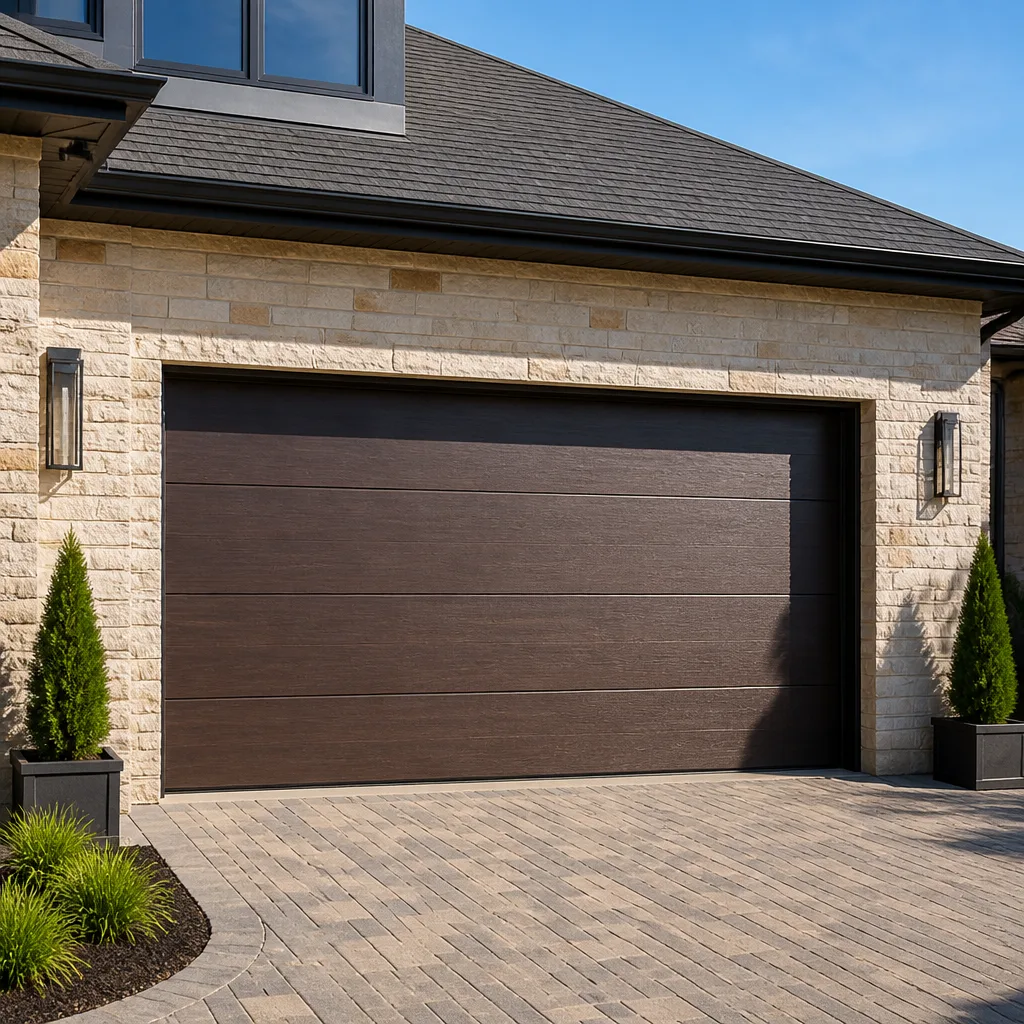 Modern flush
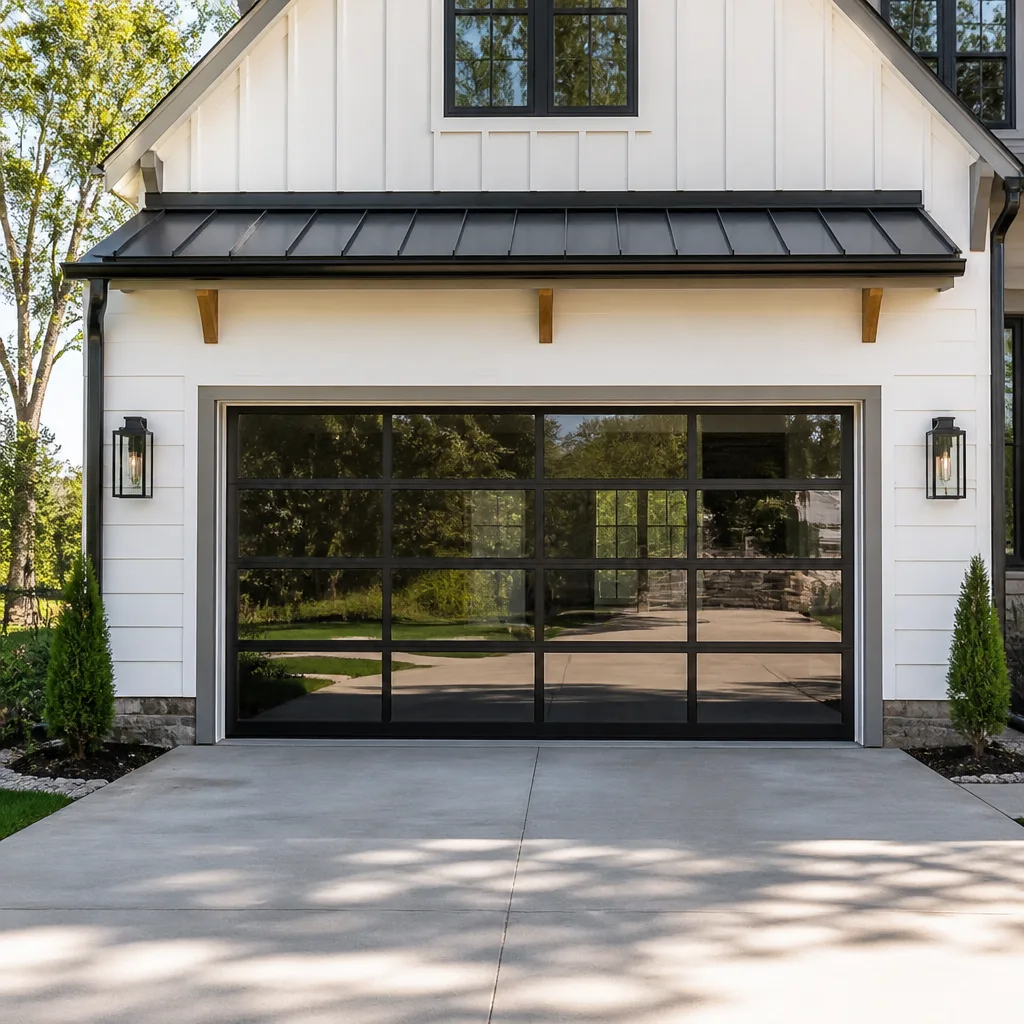 Full-view glass
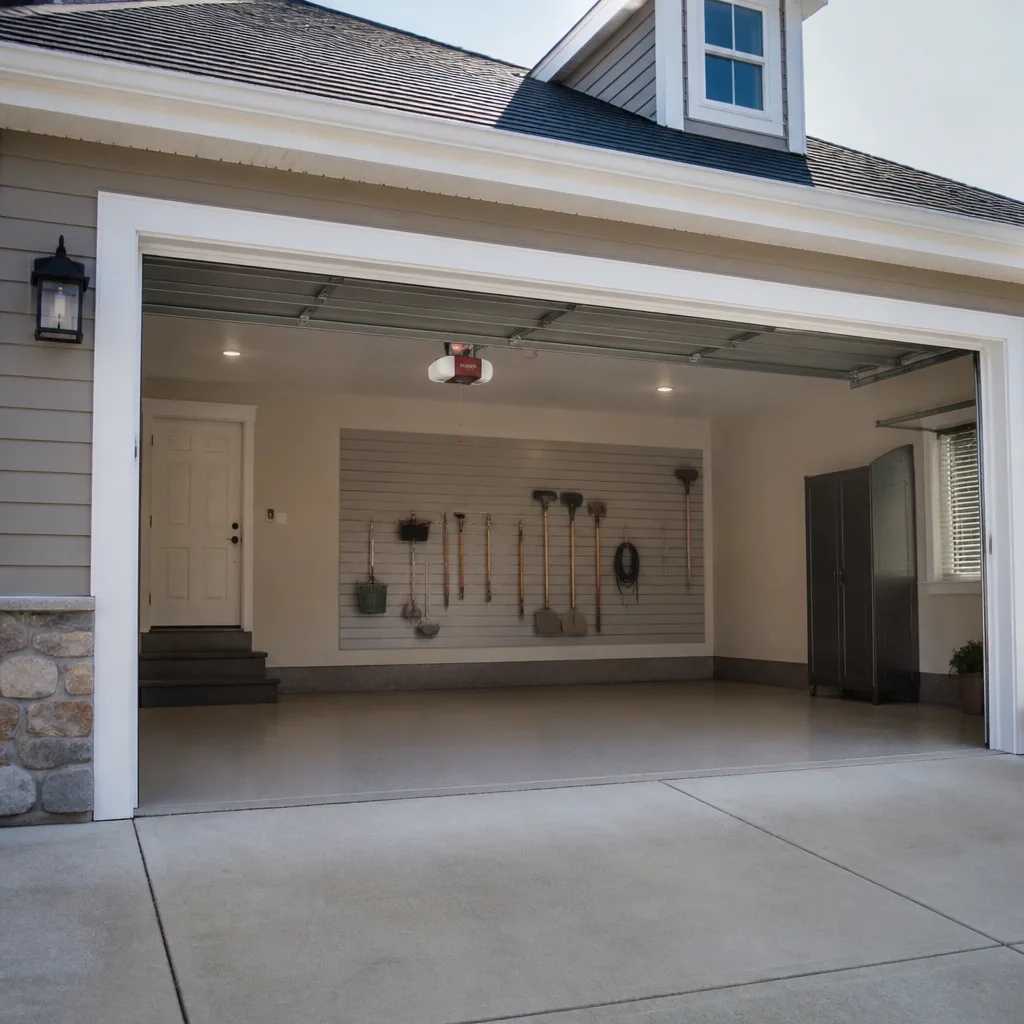 LiftMaster openers
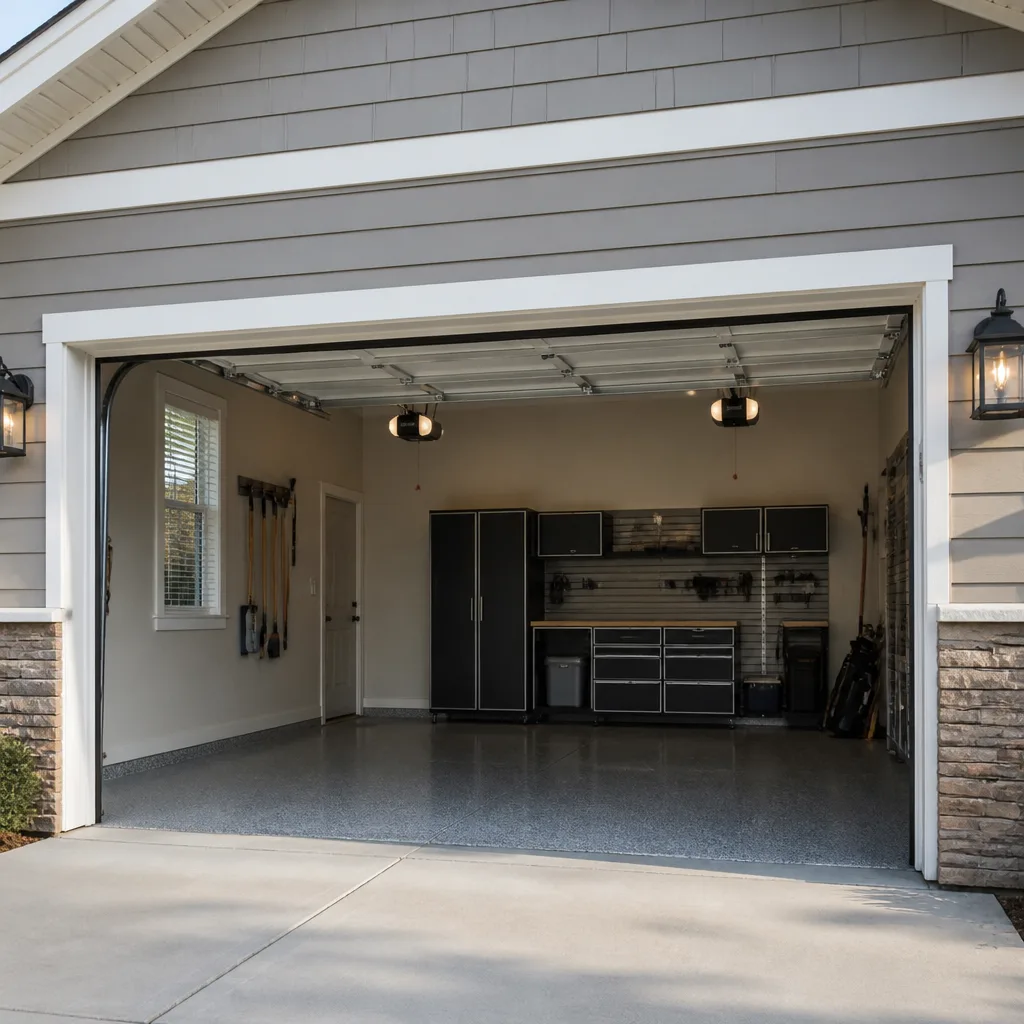 Chamberlain openers
Full 25-point door and opener safety check with every visit - springs, cables, rollers, tracks, and your LiftMaster or Chamberlain opener included
You get a price before we start. It does not change when the pro arrives.
Get your free estimateSeasonal Garage Door Care for Gravesend: Year-Round Homeowner’s Guide
Most homeowners grease their garage door springs in January, right when the door starts groaning in the cold. That’s the right task done at the wrong time. Most lubricants thicken below 40°F and give almost no protection once the temperature drops, so the job that’s supposed to quiet a winter door actually belongs in October, before the first cold snap settles in. The same logic applies to nearly every garage door maintenance task: timing matters more than effort. Gravesend sits in a stretch of Brooklyn where humidity swings, road salt, summer heat, and winter freeze each stress a different part of your door in sequence. This guide breaks the year into four mechanical stress seasons and assigns the right task to each window, so you’re not scattering effort or guessing what to do next.
Quick Answer
In Gravesend, seasonal garage door care means matching each task to the season that stresses a specific component: October lubrication and weatherseal checks before the cold, winter attention to the corrosion that road salt carried on tires deposits around bottom brackets and cables, spring expansion-gap checks on steel panels after winter contraction, and summer shading to protect dark panel finishes and bottom seals from direct sun. Done in the right order, these tasks prevent most of the failures we see and keep a door running smoothly for years between major repairs.
Styles & brands we work with
- Raised-panel steel
- Carriage house
- Modern flush
- Full-view glass
- LiftMaster openers
- Chamberlain openers
Table of Contents
- Why Gravesend Has Four Mechanical Stress Seasons
- Fall: Why October Is the Most Important Service Window
- Winter: The Road Salt Problem Nobody Talks About
- Spring: Expansion Gaps, Binding Panels, and What a Heat Bind Tells You
- Summer: Direct Sun, Dark Panels, and Bottom Seal Wear
- The One-Page Seasonal Task Grid
- The Five-Minute Monthly Walk-Around
- When Seasonal Care Isn’t Enough
Why Gravesend Has Four Mechanical Stress Seasons
A garage door is a mechanical system that expands, contracts, dries out, and absorbs contaminants through the year. In a climate with mild extremes, that cycle is gentle. In Gravesend, the swings are sharp enough that each season stresses a different moving part in a predictable sequence. Understanding the sequence is what makes seasonal maintenance targeted instead of scattered.
Our technicians have up to 11 years of experience working on doors across this part of Brooklyn, and the pattern repeats: fall failures tend to be lubrication and weatherseal; winter failures cluster around corrosion and stiffened hardware; spring failures come from panel expansion and binding; summer failures trace to heat cycling on dark finishes and bottom seals. None of these are mysteries once you know what each season does to the door.
Here’s the underlying mechanism. Steel panels expand and contract much more than the frame they’re mounted in. When the panels contract in cold, gaps at seams and at the bottom open slightly. When they expand in heat, those same gaps close and can bind. Meanwhile, the lubricant on your rollers, hinges, and springs behaves differently at each temperature band. Weatherseal rubber hardens in cold and softens in heat, wearing differently in each. And road salt, tracked in on tires, sits on bottom brackets and cable anchors through the wet months, then dries into a crust that accelerates corrosion.
Think of each season as a stress test that lands on one subsystem:
- Fall – the window to lubricate before cold, seal before freeze, and test the opener’s cold-weather behavior
- Winter – the corrosion window, driven by road salt and moisture that never fully dries out
- Spring – the expansion window, when panels swell and can bind where they ran fine in cold
- Summer – the heat window, when direct sun on dark finishes warps bottom sections and stresses the bottom seal
The good news is that each window comes with a short list of tasks. You don’t need to do everything at once. You need to do the right thing at the right time. That’s the whole discipline of seasonal care in Gravesend. For anything that looks like a repair rather than maintenance, our garage door repair service covers everything from a single hinge replacement to a door that won’t close.
Fall: Why October Is the Most Important Service Window
October is the highest-value maintenance month for a garage door in Gravesend. The reason is simple: every task that depends on temperature or moisture needs to be finished before the cold sets in. Lubricate in November and the grease may not penetrate; check the weatherseal in December and you’re sealing against frozen rubber. October gives you dry, mild conditions and plenty of daylight to do the work properly.
Tasks to complete in October
- Lubricate springs, hinges, and rollers. Use a lubricant rated for cold temperatures rather than a generic household oil. The goal is a thin, penetrating film that stays workable below freezing. Apply to hinges at their pivot points and to the torsion springs across their full coil, not just the ends.
- Inspect the bottom weatherseal. Run a hand along the rubber at the base of the door. Any hardening, cracking, or gap means the seal won’t hold against cold air and moisture through winter. Replace it now rather than in February.
- Test the opener’s cold-weather behavior. Lift the door by hand and feel for balance. If the door feels heavy or drags, the opener will work harder in the cold and may strain. A balanced door moves with one hand; an unbalanced one needs professional adjustment. Brand-specific diagnostics matter here – Chamberlain and Genie openers in particular have cold-sensitive sensors and force settings that need to be verified before the deep cold arrives.
- Tighten all visible fasteners. Vibration loosens bolts through the year. Go around the track brackets, hinges, and opener mounting points with a wrench and snug everything down.
- Clear the tracks of debris. Leaves, grit, and small objects collect in the track groove. A clean track runs quieter and puts less load on the opener.
Why does this matter so much in Gravesend specifically? Because the fall window is short. The mild stretch between the last humid week and the first hard freeze is only a few weeks, and it’s the only time of year when lubrication penetrates properly and weatherseal can be replaced comfortably. Miss it and you’re working against the cold for the next four months.
Winter: The Road Salt Problem Nobody Talks About
Every winter, tires carry road salt into Gravesend garages. The salt doesn’t stay on the floor. It gets flung onto the lower hardware of your door – the bottom brackets, the cable anchor points, the bottom roller brackets – and it stays there through the wet months. When the wet gives way to dry, the salt dries into a crust that pulls moisture from the air and accelerates corrosion on precisely the parts you can’t easily see.
What winter salt does to specific parts
- Bottom brackets and their bolts – these sit closest to the floor and take the direct spray from tires. Corrosion here can seize the bracket and freeze the bottom corner of the door.
- Cable anchor points – the drums and anchor plates at the bottom corners. Salt crust accelerates rust that weakens the metal over a single winter.
- Bottom section steel – the lowest panel absorbs the most splash-back and is the first to show bubbling paint or rust spots.
- Bottom weatherseal – salt-laden slush sits against the seal and dries hard, cracking the rubber prematurely.
The fix is not a big job but it has to be done on the right schedule. Through the winter months, rinse the bottom hardware with plain water – a garden sprayer or a damp rag works – and dry it thoroughly. Do not apply lubricant to a salted surface; you’ll trap the salt under the grease and make the corrosion worse. Once the salt crust is gone, a light protective film on the cleaned metal is fine.
Other winter tasks
- Keep the door’s bottom seal clear of packed slush. A broom is enough. Don’t let ice build up against the seal.
- Check the opener’s force settings. Cold stiffens hardware and openers compensate by pushing harder. Verify that the safety reverse still works – place a small block of wood under the door and confirm the door reverses on contact. Smart openers from LiftMaster and Chamberlain in particular need their obstruction sensitivity verified at cold temperatures.
- Listen for new noises. A door that ran quietly in fall and starts groaning in winter is telling you something has stiffened or begun to bind. Diagnose it before it fails.
- Don’t force a frozen door. If the bottom seal is frozen to the floor, forcing the opener can strip the drive gear or snap a cable. Free it gently with warm water along the seal line.
Springs are the heart of your door and the most dangerous component when something goes wrong. If a spring lets go in cold weather, do not attempt to open the door yourself – call us and we’ll handle it. The same goes for any garage door repair that involves the counterbalance system. Winter failures are the ones most worth preventing, and the salt-corrosion check is the single easiest way to prevent them in Gravesend.
Spring: Expansion Gaps, Binding Panels, and What a Heat Bind Tells You
As temperatures climb through March and April, everything that contracted in winter starts to expand. Steel panels grow. Gaps that opened at seams in January now close. Weatherseal that hardened in winter softens. If the fall maintenance was done properly, spring is mostly a check. If it wasn’t, spring is when you find out.
The expansion gap recalibration
On a sectional steel door, the panels are joined at hinge seams. Through winter, panels contract and the gaps at those seams open slightly. When spring heat arrives, panels expand and try to close those gaps against each other. If the panels are dirty or the hinges are dry, the closing action binds. The door starts to run roughly, or one panel lags behind the others as the opener lifts.
What to do about it: clean the hinge seams with a brush, inspect for any debris caught between panels, and re-lubricate the hinges lightly. Do not over-lubricate – a heavy film attracts grit and makes the binding worse next year. On Clopay and Amarr steel doors, the hinge seams at the bottom two sections are the most common binding points, and a light product applied to the pivot only is enough.
Reading a heat bind correctly
A door that runs fine in cold but binds in heat is telling you something specific: the panels are expanding against each other, or against the tracks, and the door no longer has the clearance it needs. This is a diagnosis, not a mystery. Possible causes include:
- Hinge pivot points that have lost their lubricant and don’t move freely under expansion load
- Track brackets that were tightened slightly asymmetrically through the winter, leaving one side of the track closer to the panels than the other
- Bottom section expanding against the concrete floor slightly, causing the seal to drag
- Vertical or horizontal track that has drifted (rare, but it happens) and needs realignment
What a heat bind is NOT telling you is that the door needs replacing. Most heat binds are solved by cleaning and lubricating the seams and checking track alignment. If the bind persists after those steps, that’s the point to call us – a persistent bind often points to a track or panel issue that needs proper measurement. For opener-related binds (the door moves freely by hand but the opener strains), our garage door opener repair service diagnoses the drive system rather than the door.
Other spring tasks
- Wash the bottom section and bottom brackets to remove any residual winter salt before it dries into summer crust.
- Re-check the safety reverse on the opener. The same cold-sensitive settings that matter in winter should be verified again after the door has gone through an expansion cycle.
- Test the bottom weatherseal against the floor. Close the door and look for light coming under it. Any gap now means the seal has compressed or the door has settled.
- Clear the track of any debris blown in through the winter. A full sweep of the track groove takes five minutes.
Summer: Direct Sun, Dark Panels, and Bottom Seal Wear
Summer is the season nobody thinks about for garage door maintenance, and that’s a mistake. In Gravesend, a west- or south-facing garage door can sit in direct sun for most of the afternoon. On a dark-painted door, the panel surface temperature climbs well above air temperature, and that heat cycling stresses exactly the parts you’d least expect.
What direct sun does to a dark panel
Steel expands and contracts with temperature, but the panel surface heats much more than the frame behind it. On a dark finish, especially a bottom section that catches reflected heat from the driveway as well as direct sun, this differential matters. The bottom section can warp slightly at the bottom edge – you’d see the seal line deviating from the floor, or the panel bowing outward between hinges. It’s rarely dramatic, but it’s real, and once a bottom panel has warped, it doesn’t recover on its own.
The bottom weatherseal is the second casualty of summer. Heat softens the rubber, and sun exposure accelerates it. Seal that was fine in April can be visibly cracked by August. On a door that faces the sun, the bottom seal can wear out in a single season.
Summer tasks
- Shade the door during peak heat. A simple shade sail or a fixed overhang above a sun-facing garage door reduces surface temperature substantially. This is the single most effective summer intervention for a dark-painted door facing west or south.
- Check the bottom weatherseal monthly. Straight edge of a seal against the floor, no cracking, no visible gap. Replace the seal at the first sign of failure rather than waiting until fall.
- Inspect bottom section alignment. Look across the bottom edge of the door when it’s closed. Any visible bowing or gap deviation is a hint that the panel has begun to warp.
- Verify the opener isn’t overworking in the heat. Heat can affect opener motor strain, especially on older systems. If the opener struggles in summer but was fine in spring, that’s information worth keeping in mind.
- Re-verify the safety reverse. Heat-softened seals can affect the sensitivity of the reverse mechanism. A small block of wood under the closing door tells you whether the opener is still reading properly.
If your door faces the sun and you’re thinking about replacing dark panels with a lighter finish, that’s the kind of decision worth making once. Our garage door installation team can talk you through finish options that handle summer heat better than a dark topcoat on a west-facing Gravesend garage.
The One-Page Seasonal Task Grid
Print this grid and tape it to the inside of your garage door frame, or stick it to the wall next to the opener. It gives you a single reference for what to do and when, and it doubles as a service log if you note the date of each completed task. The point is to stop guessing whether you did something recently or a year ago.
Seasonal tasks at a glance
- October (window of highest value): lubricate springs, hinges, rollers with cold-rated product; inspect and replace bottom weatherseal if hardening; test cold-weather opener behavior; tighten all fasteners; clean tracks
- November through February (winter protocol): rinse and dry bottom brackets and cable anchors of road salt; verify safety reverse with a wood block; listen for new noises; clear slush from bottom seal; do not force a frozen door
- March through May (spring recalibration): clean hinge seams of debris; re-lubricate hinge pivots lightly; check panel alignment; re-verify bottom weatherseal against floor; re-check safety reverse; sweep tracks
- June through September (summer protocol): add shade over a sun-facing door if possible; check bottom seal for cracking monthly; inspect bottom section for bowing; verify opener isn’t straining in heat; re-verify safety reverse
- Monthly year-round: run the door by hand and feel for balance; look for light gap under the seal; check the opener’s manual release; clear obstructions from the door path
Quarterly inspection checklist
- Door balance test: disconnect the opener and lift the door by hand. It should lift with moderate effort and hold in the half-open position without dropping. If it drops or lifts heavily, the springs are out of adjustment.
- Safety reverse test: place a piece of wood on the floor in the path of the door and close it. The door should reverse on contact. If it doesn’t, stop using the door until it’s fixed.
- Weatherseal check: run a hand along the bottom seal and around the sides. Any cracking, hardening, or visible light gap means replacement.
- Lubrication refresh: reapply cold-rated lubricant to hinges and springs. Use a light film, not a heavy coat.
- Hardware tightening: go around all bolts and screws with a wrench. Every missed bolt is a source of future vibration.
Your mechanic’s next question. That’s the discipline: a balance test monthly, a visual once a quarter, and a proper seasonal task assignment. No part of a garage door needs constant attention, but every part needs the right attention at the right time. For a more detailed walk-around checklist, our Garage Door Repair Gravesend page is the reference we point homeowners to when they want the full service picture.
The Five-Minute Monthly Walk-Around
The five-minute walk-around isn’t seasonal care, it’s the baseline that tells you when seasonal care has found a real problem. Do it once a month, on the same day each month so you don’t forget. In our experience, a homeowner who walks around their door monthly catches nearly every problem in its early stage, when it’s still a small fix.
What to look for
- Fit and finish: any new gap between panels, new bubbling on the bottom section, or new rust spots
- Hardware: any hinge or bracket that looks out of alignment, any bolt protruding where it used to be flush
- Seal: any visible light under the closed door, any hardening or cracking at the bottom
- Tracks: any debris in the groove, any bend or dent in the vertical or horizontal track
- Balance: the manual lift-and-hold check from the quarterly list
What to do with what you find
If the door no longer balances, or the safety reverse fails, or the bottom seal has cracked, that’s a task for the next seasonal window at the latest. If you find a bent track, a snapped cable, a broken spring, or a door that’s off its track, stop using the door and call us. Those aren’t tasks, they’re repairs. Springs, cables, and tracks are the parts that can cause serious injury – a trained professional should handle them. Our technicians have up to 11 years of experience precisely because these systems demand it.
For older doors that seem to need more monthly attention than they used to, that’s usually the sign that the seasonal maintenance had been skipped for a few years and is now catching up. A proper service visit realigns the maintenance cycle and can add years to a door that’s still mechanically sound.
When Seasonal Care Isn’t Enough
Seasonal care prevents most failures, but no set of tasks prevents all of them. A spring that’s simply reached the end of its rated cycle will fail regardless of how well you lubricated it. A track that’s been struck by a car will bend. A door that’s 20 years old and shows systemic fatigue may need to be replaced rather than maintained. Knowing which category you’re in is what matters.
Call us if you spot any of these:
- A snapped torsion spring or extension spring (do not open the door – the spring is what controls the load)
- A cable that’s visibly frayed, kinked, or detached from an anchor point
- A door that’s come off its track or is running crooked
- A safety reverse that fails the wood-block test
- An opener that runs but doesn’t lift the door, or lifts partially and stops
- A persistent heat bind that doesn’t resolve with cleaning and lubrication
- A bottom section that has visibly warped or bowed
Garage Door Repair Gravesend offers free estimates in Gravesend, and our technicians are familiar with Chamberlain, Genie, Clopay, Amarr, and the other major brands installed in this part of Brooklyn. Call (855) 956-4130. We answer 24/7. Fast dispatch from 7am to 7pm, Sunday through Friday.
Common Mistakes to Avoid
- Lubricating in January instead of October. Most lubricants thicken below 40°F and give almost no protection once the cold sets in. The right window is October, before the first hard freeze. A January application often makes the problem it was supposed to solve worse.
- Using a heavy grease on hinges and springs. Heavy grease attracts grit and holds it against the metal. It’s the opposite of what you want. A thin, cold-rated lubricant is the right product, applied lightly.
- Ignoring the winter salt spray. In Gravesend, road salt carried on tires gets flung onto the bottom brackets and cable anchors and stays there. Rinse and dry those parts through the wet months. Salt crust pulls moisture from the air and accelerates corrosion even when the garage is dry.
- Mistaking a heat bind for a spring problem. A door that runs fine in cold and binds in heat is usually telling you about panel expansion against hinge seams or tracks, not failing springs. Diagnose the bind before assuming the springs are the issue, and don’t replace springs that are still working.
- Skipping the safety reverse test. The reverse function is the most important safety feature on the door, and it can drift out of adjustment summer or winter. Check it with a block of wood once a month. If the door doesn’t reverse on contact, stop using the door.
- Letting the bottom weatherseal wear until it’s visibly cracked. By the time you can see the cracks, the seal has been letting in moisture and insects for weeks. Replace as soon as the rubber starts to harden.
- Forcing a frozen door open in winter. The opener will push harder to compensate, and that’s how drive gears strip and cables snap. Free the seal gently with warm water, then open the door. If it still won’t move, call us.
- Ignoring heat warp on a sun-facing dark door. A bottom section that’s starting to bow under summer sun won’t recover on its own. Shade the door and treat the warp as a repair before it becomes a replacement.
See the difference
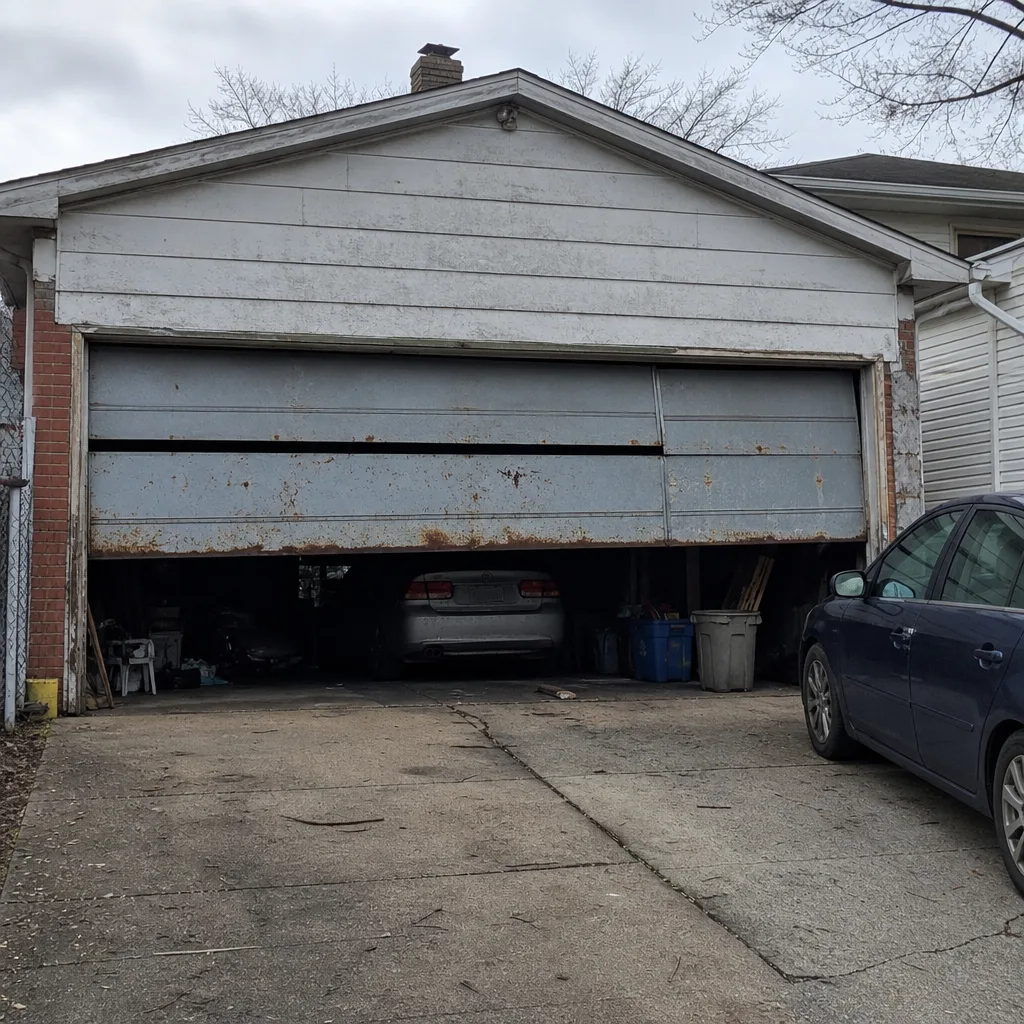 Before
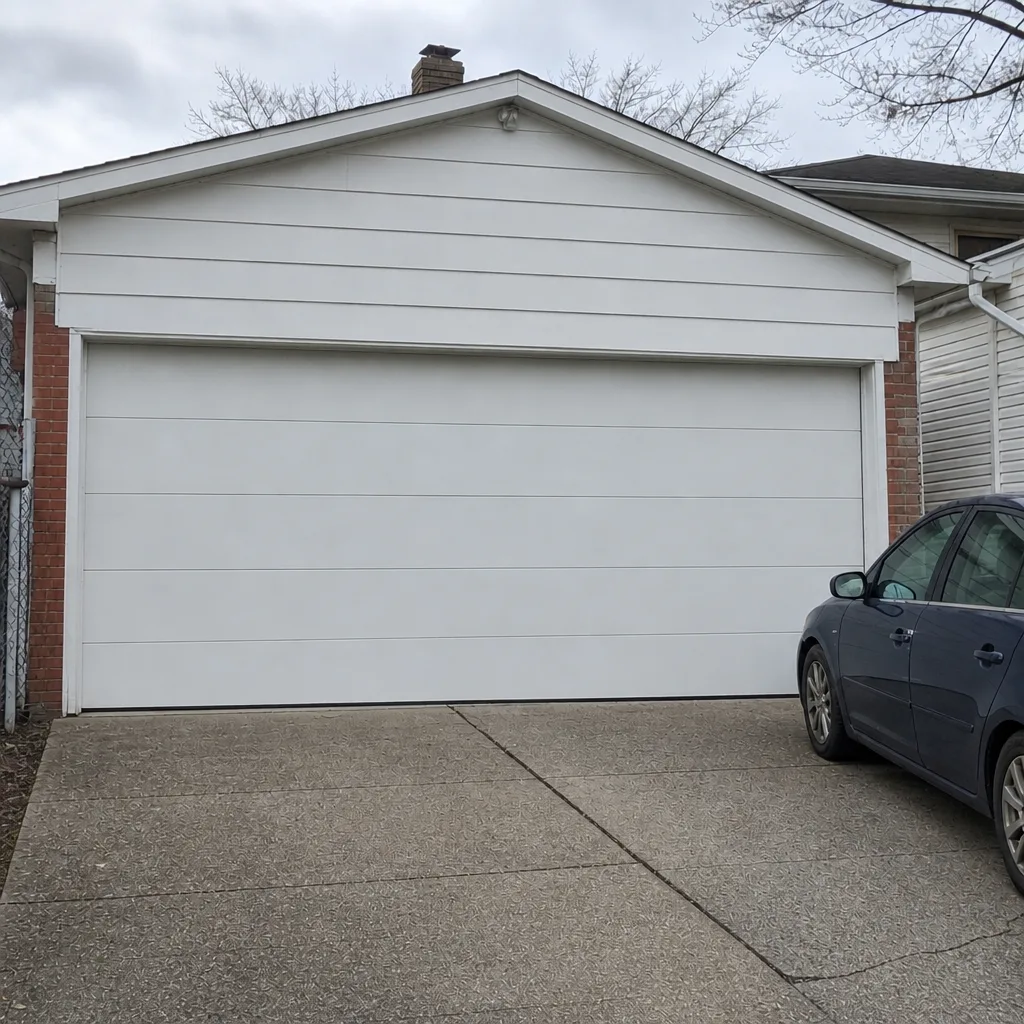 After
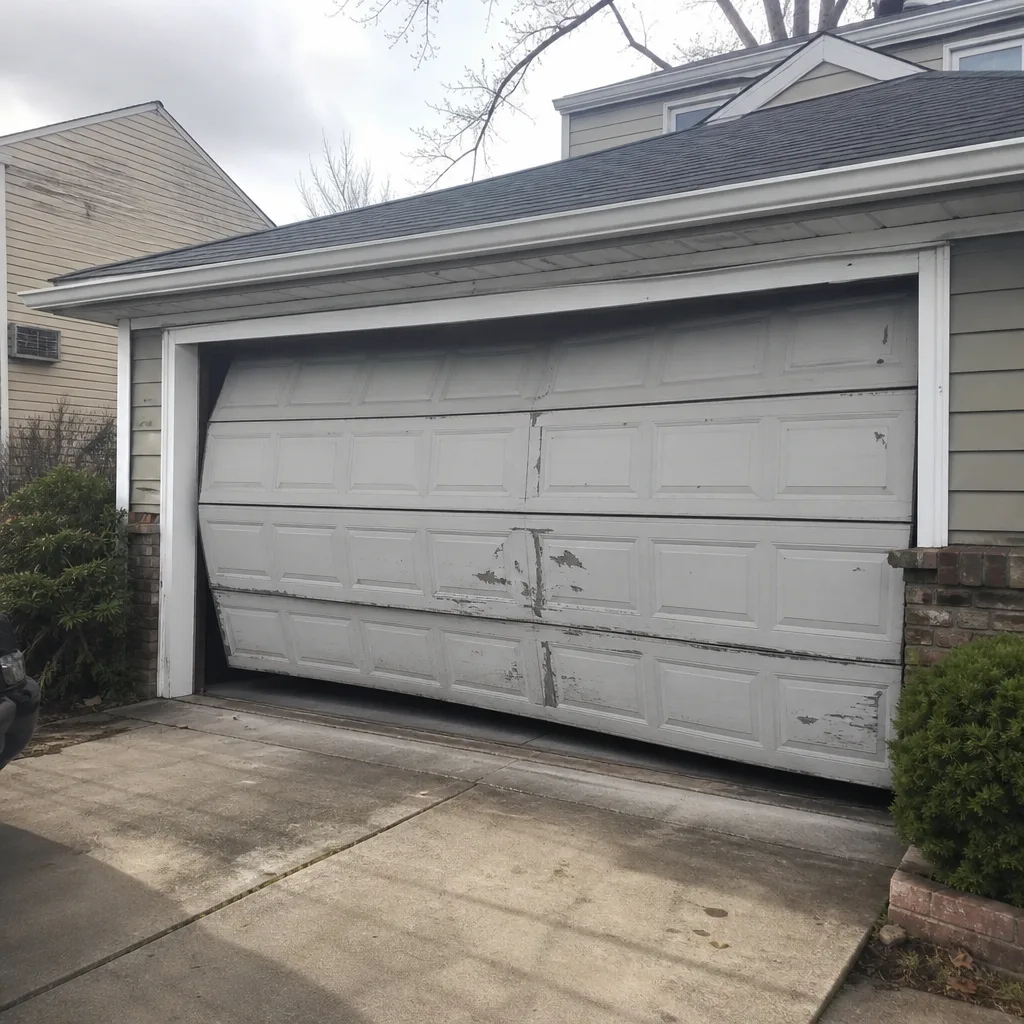 Before
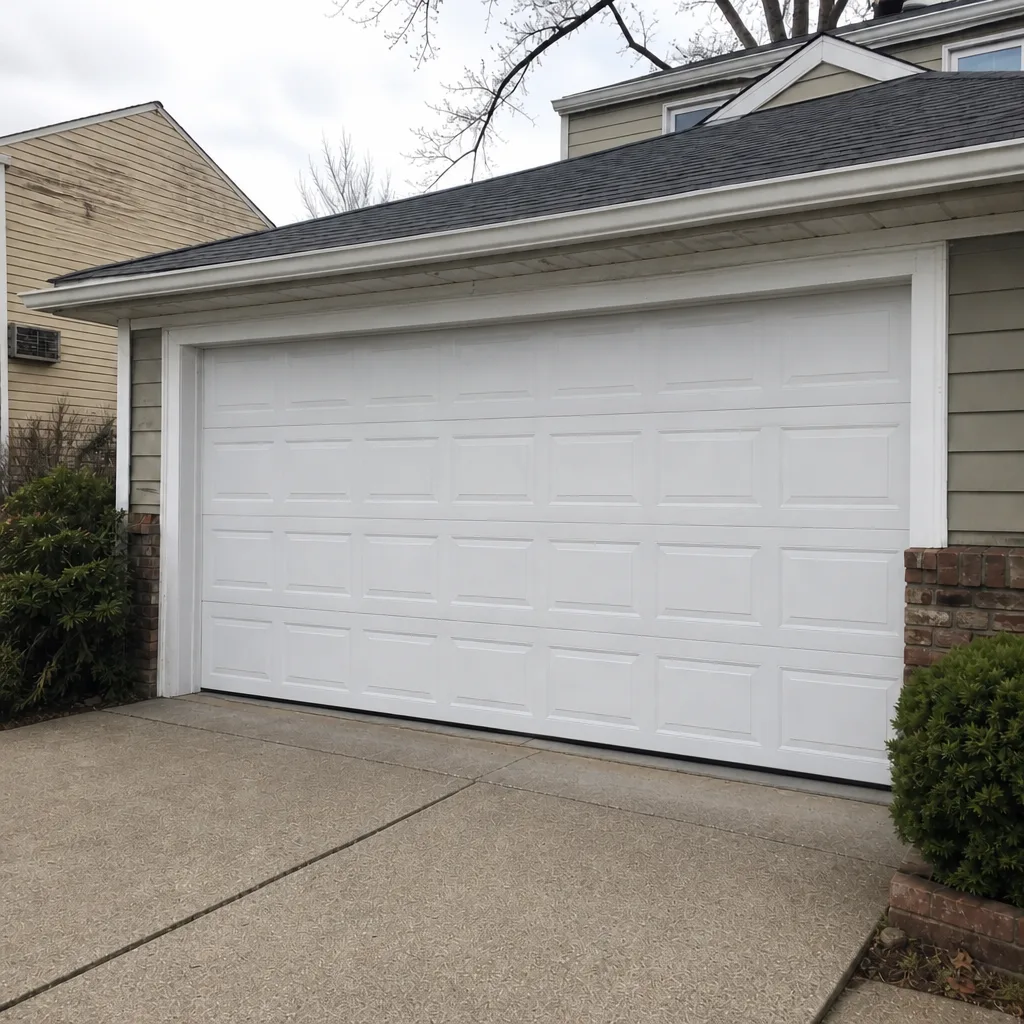 After
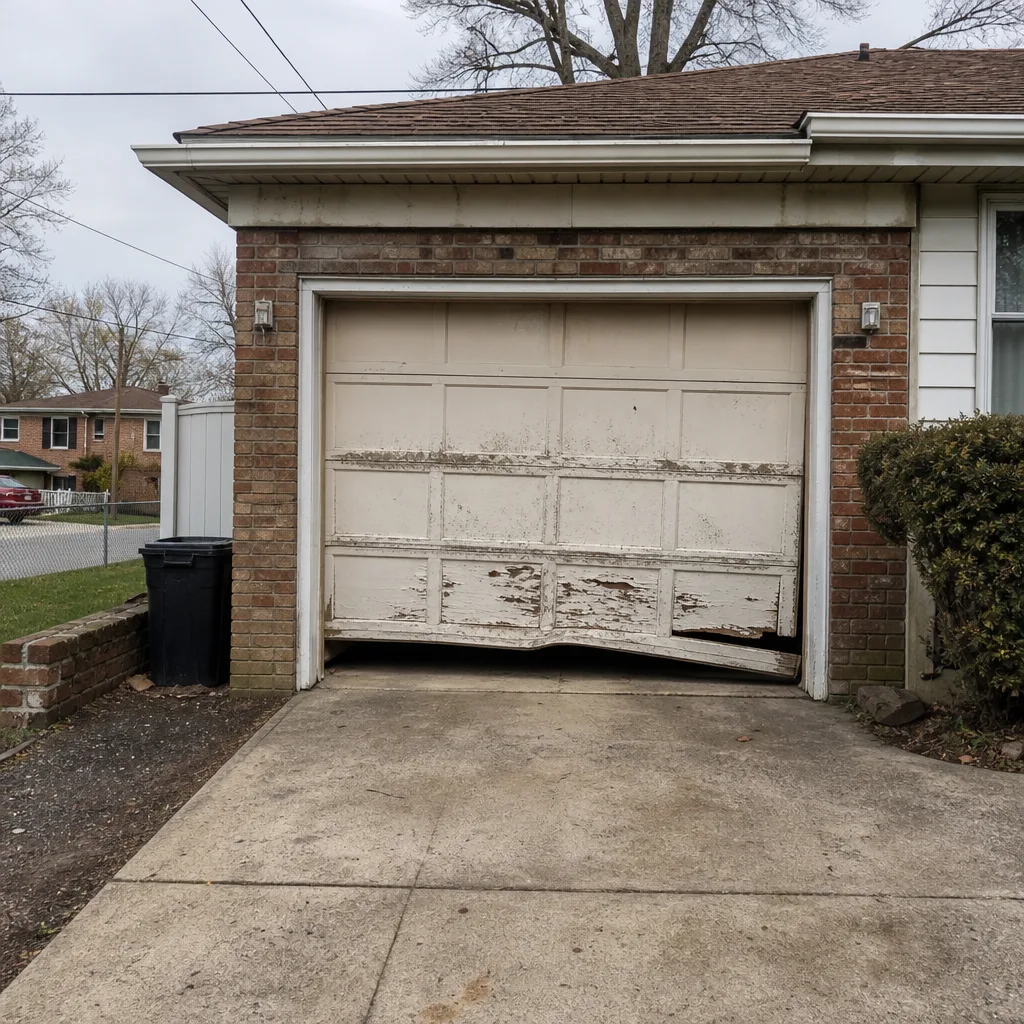 Before
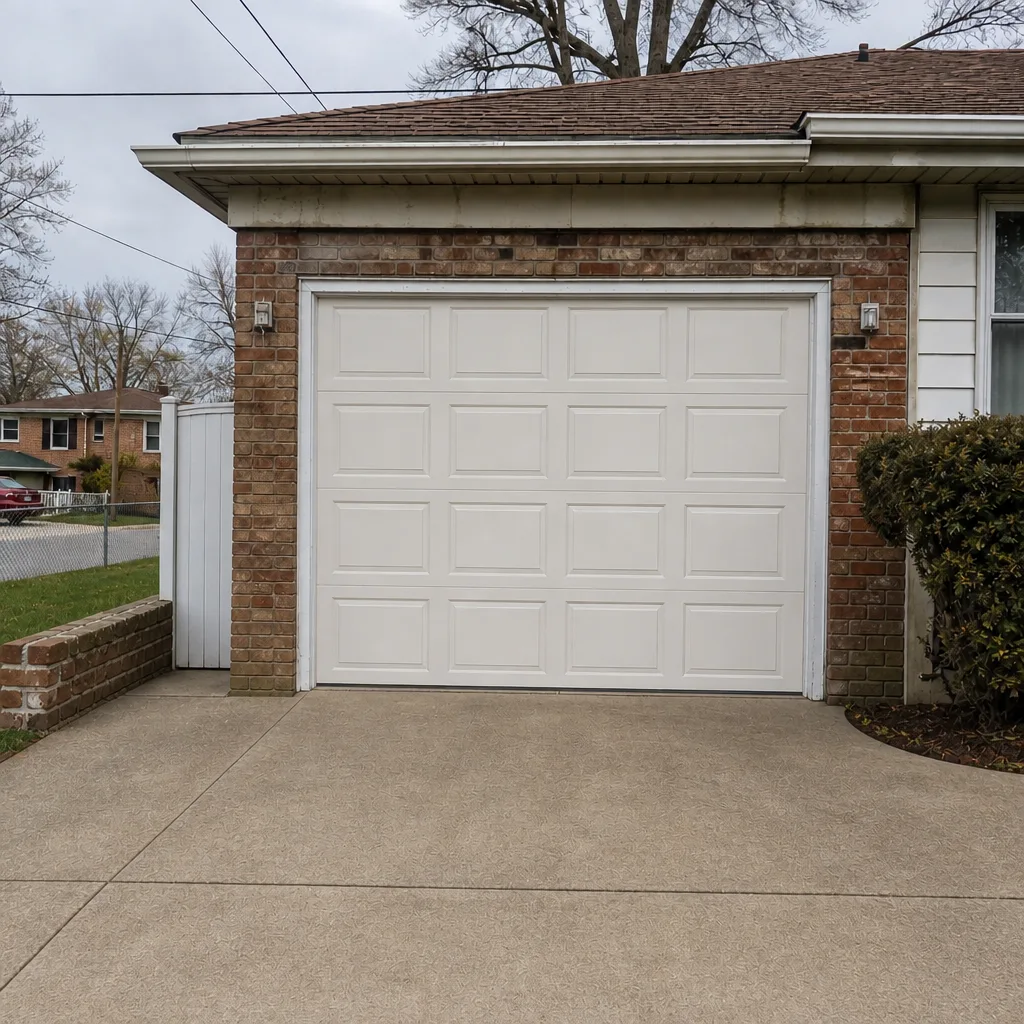 After
When to Call a Professional
Some seasonal tasks belong to you. Others belong to a trained technician, and it’s worth naming the line. Springs, cables, tracks, and the counterbalance system are dangerous to adjust without training – a torsion spring under tension can do serious injury. Panel replacement, opener force and sensitivity calibration on a LiftMaster, Chamberlain, or Craftsman system, and any repair that involves realigning the door should be a professional call. The seasonal tasks you can safely do yourself are lubrication, weatherseal inspection, cleaning, and the monthly walk-around. If you find something you’re not sure about, call and describe it – we’ll help you decide whether it’s a task or a repair. Garage Door Repair Gravesend offers free estimates in Gravesend – call (855) 956-4130.
Frequently Asked Questions
October is the highest-value month. Lubricating springs and hinges before the cold gives you full winter protection, while lubricating in November or later is far less effective because most products thicken below 40°F. October also gives you the window to replace the bottom weatherseal before it hardens in the cold, and to test the opener’s cold-weather behavior while conditions are mild. Call (855) 956-4130 for an exact quote if you’re not sure what your door needs – estimates are free.
Road salt carried into the garage on tires gets flung onto the bottom brackets, cable anchor points, and bottom roller brackets, then dries into a crust that pulls moisture from the air and accelerates corrosion on those exact parts. The fix is a simple rinse-and-dry routine through the wet months, plus a light protective film once the salt crust is gone. If corrosion has already seized a bracket or weakened a cable anchor, that’s a repair rather than a cleaning task – call (855) 956-4130 for an estimate.
That pattern almost always points to panel expansion rather than a failure. Steel panels expand in heat against the hinge seams or the tracks, and a door that had clearance in winter can bind in summer. Clean the hinge seams and re-lubricate the pivots lightly, and check that the tracks haven’t drifted closer to the panels on one side. If the bind persists after those steps, it needs proper measurement – call (855) 956-4130 for a free estimate.
Yes, particularly on a dark-painted door facing west or south. The surface heats well above air temperature, causing the bottom section to warp gradually and the bottom weatherseal to crack faster than in shaded garages. Shading the door – with a shade sail or a fixed overhang – is the most effective intervention, and monthly seal checks catch the wear early. If the bottom section has already warped, that’s a panel repair, not a maintenance task. Call (855) 956-4130 for an exact quote.
Once a month, and after any seasonal temperature swing. Place a piece of wood on the floor in the door’s path and close the door. It should reverse on contact. If it doesn’t, stop using the door until it’s fixed. The reverse mechanism is the single most important safety feature on any garage door, and it can drift out of adjustment at any time. Call (855) 956-4130 for an estimate on recalibration.
You can safely handle lubrication, weatherseal inspection and replacement, cleaning, hardware tightening, and the monthly walk-around. Springs, cables, tracks, and the counterbalance system are the parts that require a trained professional – a torsion spring under tension can cause serious injury. If a seasonal check turns up anything in those categories, call us. Call (855) 956-4130 for an exact quote – estimates are free.
The Bottom Line
Seasonal garage door care in Gravesend is about timing, not effort. October is the most valuable service window, because lubricating and sealing before the cold is far more effective than doing either after the freeze. Winter is the corrosion season, driven by road salt on your tires reaching the bottom brackets and cable anchors. Spring is the expansion window, when a heat bind is usually telling you about panels and hinges rather than springs. Summer is the sun window, when a dark bottom section can warp and the bottom seal can crack in a single season. Do the right task at the right time, walk around the door monthly, and let a trained technician handle anything involving springs, cables, or tracks. That’s the whole discipline, and it’s what keeps a door running quietly through every Gravesend year.
Written by the team at Garage Door Repair Gravesend.