
Last updated November 21, 2026
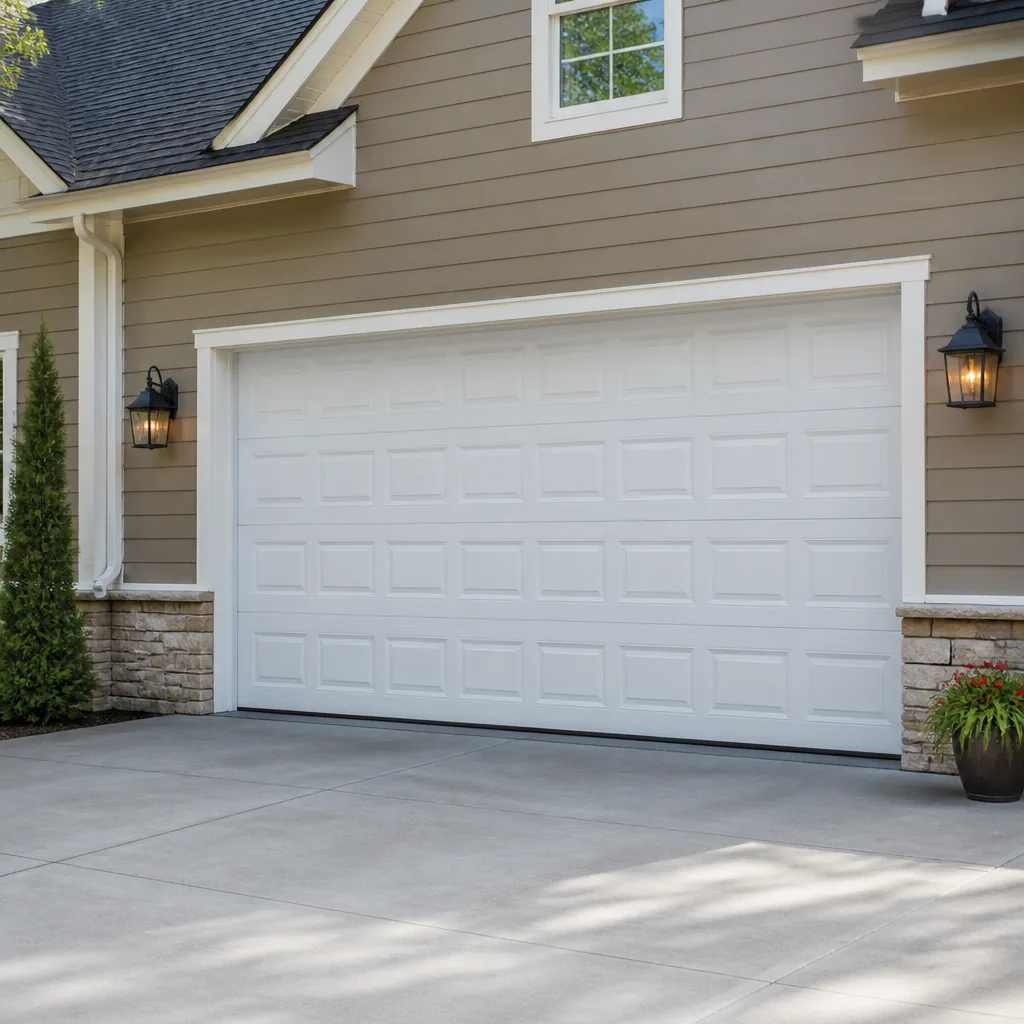 Raised-panel steel
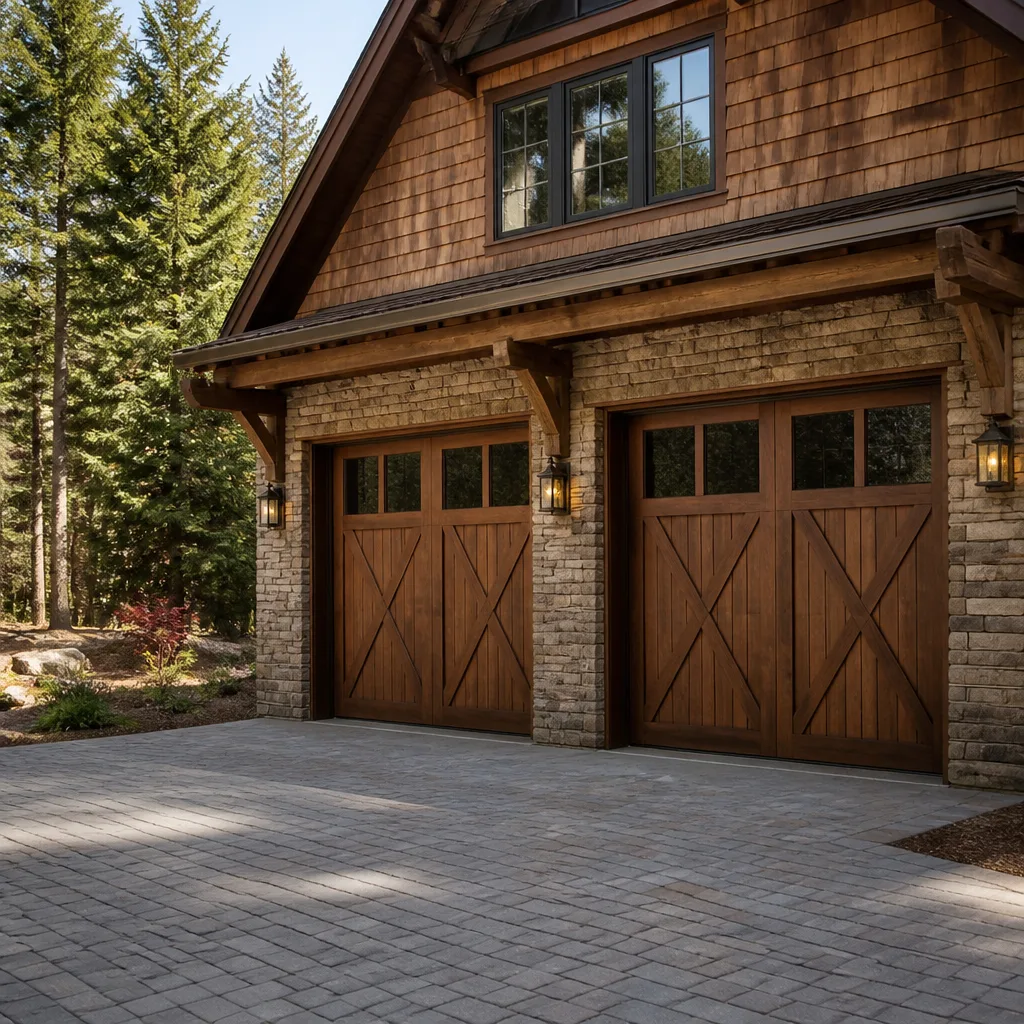 Carriage house
 Modern flush
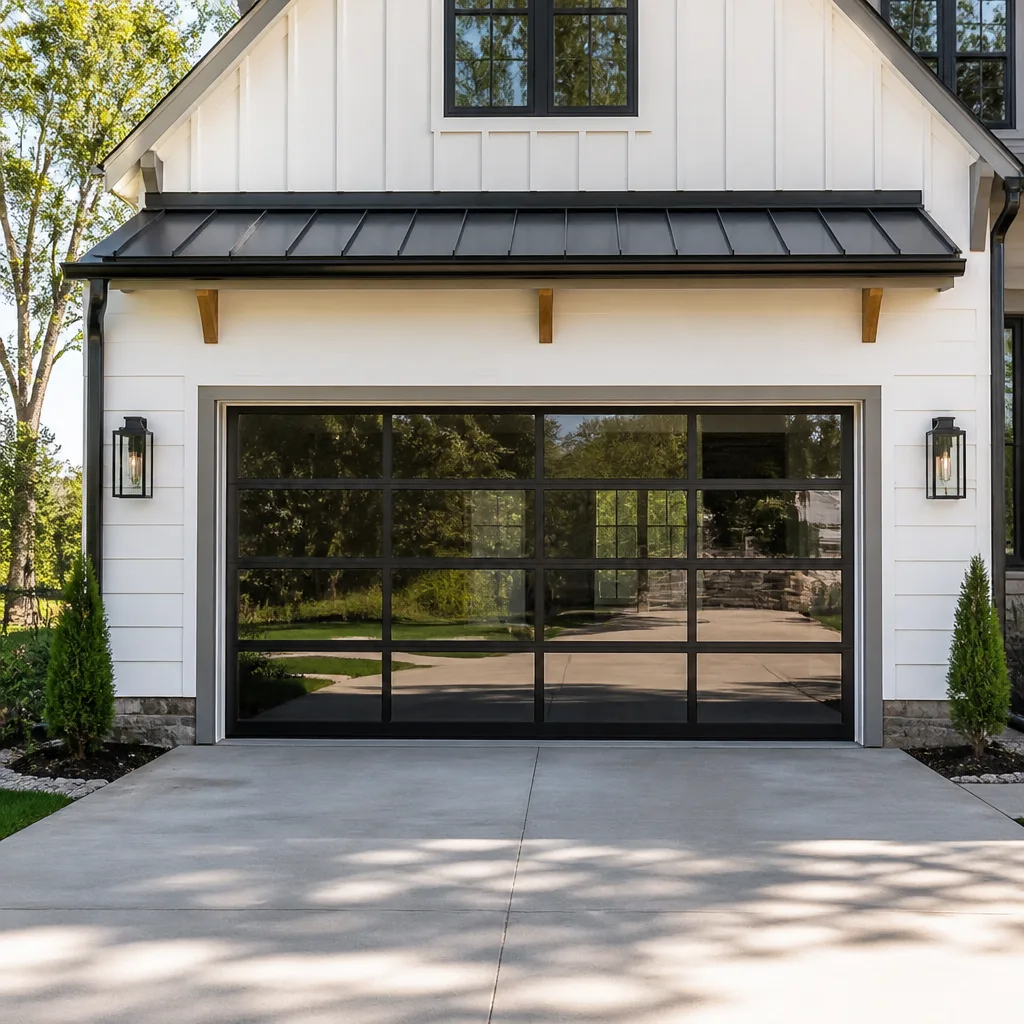 Full-view glass
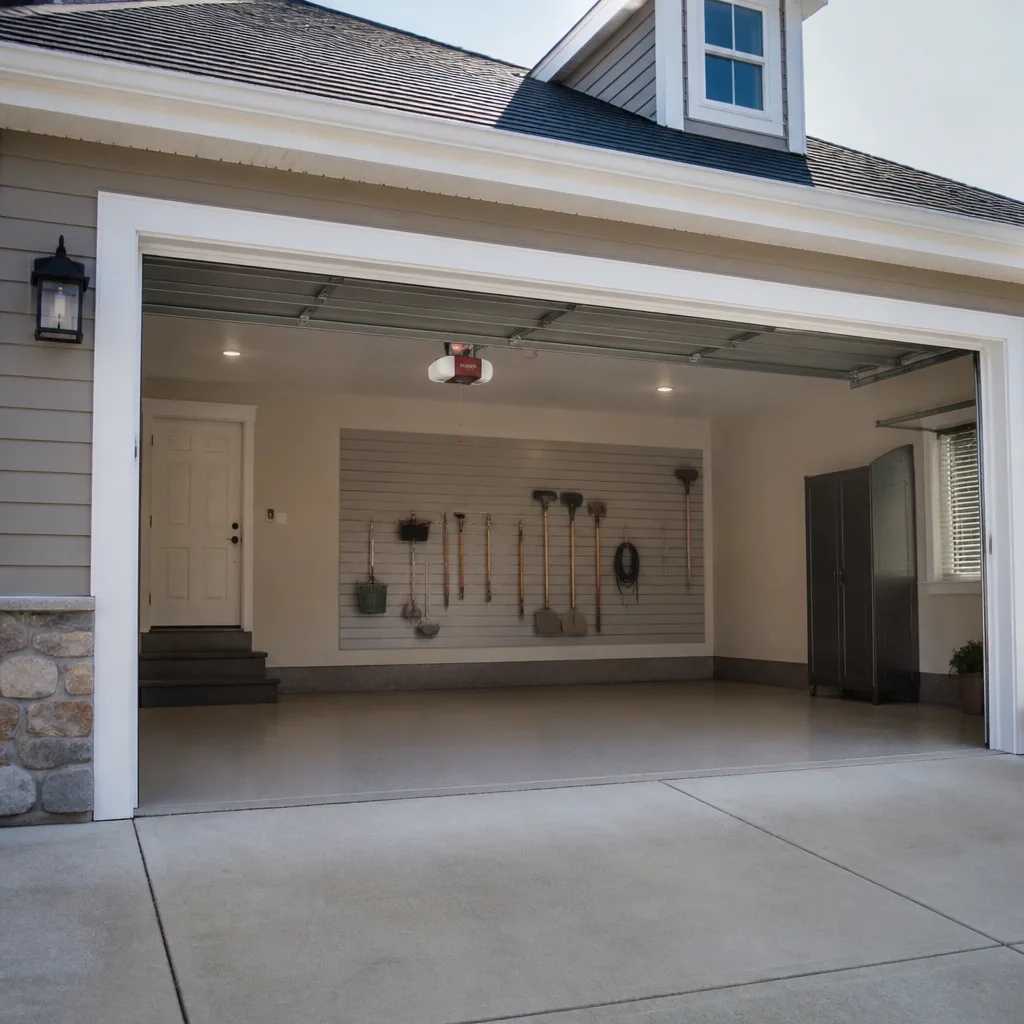 LiftMaster openers
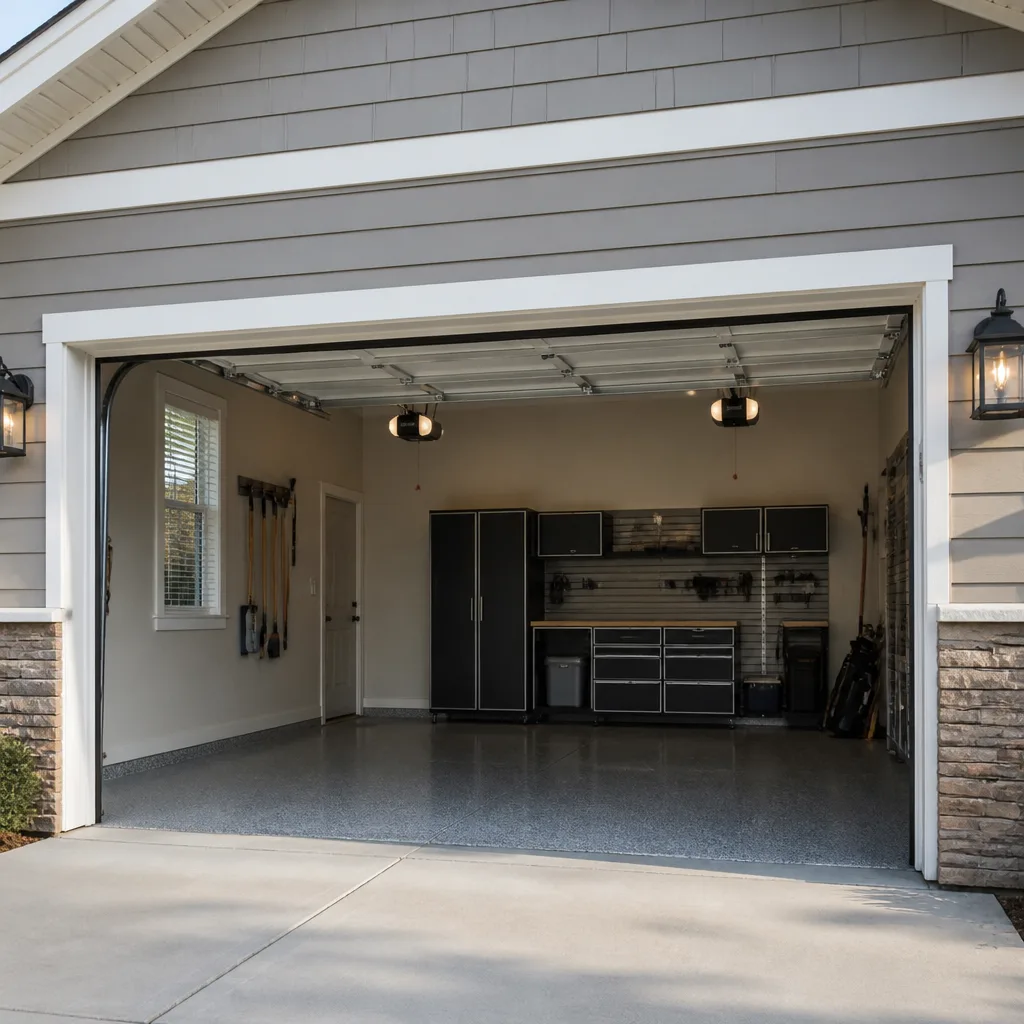 Chamberlain openers
Full 25-point door and opener safety check with every visit - springs, cables, rollers, tracks, and your LiftMaster or Chamberlain opener included
You get a price before we start. It does not change when the pro arrives.
Get your free estimateHow to Hire a Garage Door Contractor in Gravesend: A Step-by-Step Guide
A contractor who quotes fast and cheap for a torsion spring job may be using the wrong spring size, and you won’t discover the mistake until the door stops balancing months later. That’s the trouble with hiring on price alone: the quote looks clean, the work gets done, and the failure shows up long after the truck is gone. In Gravesend, where most homes were built with attached garages that see daily use, a bad spring match or a mismatched opener part can turn a simple fix into a repeat repair. This guide walks you through a structured vetting process: how to check a contractor’s New York City Home Improvement Contractor license, how to tell a garage door specialist from a handyman, the questions that expose whether parts are actually stocked or just ordered, and what the wording of a quote and a review really tells you.
Styles & brands we work with
- Raised-panel steel
- Carriage house
- Modern flush
- Full-view glass
- LiftMaster openers
- Chamberlain openers
Quick Answer
To hire a garage door contractor in Gravesend, verify the company holds a valid NYC Home Improvement Contractor (HIC) license through the Department of Consumer and Worker Protection’s online lookup tool, confirm they specialize in garage doors rather than general handyman work, and insist on a written, itemized estimate before any work starts. Ask specifically about parts sourcing and brand familiarity – a company that knows LiftMaster or Clopay systems will diagnose and fix the door faster than one that has to order every part from scratch.
Table of Contents
- Why a Garage Door Specialist Beats a General Handyman
- How to Verify a Contractor’s NYC HIC License
- The Questions That Separate Specialists From Guessers
- Parts Sourcing: Stocked vs. Ordered and What It Means for You
- How to Read a Garage Door Quote Line by Line
- Red Flags in a Quote
- How to Read Reviews for Real Technical Competence
- Making the Final Decision
Why a Garage Door Specialist Beats a General Handyman
A garage door looks like a simple slab that goes up and down. It isn’t. Behind that slab sits a torsion spring system under heavy tension, a track geometry that has to be aligned to within a fraction of an inch, and an opener with its own logic board and force settings. A handyman who lists garage doors alongside painting and drywall may handle a loose hinge, but a torsion spring replacement, an off-track door, or an opener that won’t reverse properly requires a specialist.
Here’s why that difference matters for warranty claims. Generalists often buy whatever spring or opener part the local hardware store stocks. Those parts may not match the door’s weight rating or the opener’s torque curve. When the door fails again in a few months, the warranty question gets murky: was it the part, the install, or the door itself? A specialty company that works across major brands like LiftMaster and Clopay documents the part numbers and the spring size, which gives you a clear paper trail if anything goes wrong.
In Gravesend, most garages are attached and most doors are single-car or two-car sectional models that see daily use. That constant cycling wears springs faster, and it means the door is often in motion while family members are coming and going. A specialist understands this duty cycle and sizes the spring accordingly. A generalist may not.
The practical test is simple: ask the contractor how many garage door jobs they’ve done in the past month and whether they carry dedicated spring and opener parts. A specialist answers immediately. A generalist hedges.
How to Verify a Contractor’s NYC HIC License
New York City requires home improvement contractors to hold a Home Improvement Contractor (HIC) license issued by the Department of Consumer and Worker Protection (DCWP). This is a city-specific license, separate from a state contractor registration. If a company is doing garage door work in Gravesend, it should be able to show you a valid HIC license number.
Here’s how to check it yourself:
- Ask the contractor for their HIC license number in writing, before any work begins.
- Go to the NYC DCWP website and find the license lookup tool.
- Enter the license number and confirm the name matches the company you’re hiring, and that the license status is active.
- Check whether there are any recorded complaints or violations tied to that license.
- Ask for a certificate of insurance showing both general liability and workers’ compensation coverage, and confirm the policy is current.
If a contractor can’t or won’t provide a license number, that’s a stop sign. Unlicensed contractors leave you exposed if something goes wrong: a failed install, an injury on your property, or a dispute over payment. In a city like New York, where the DCWP actively pursues unlicensed home improvement work, hiring an unlicensed company also puts you on the wrong side of a consumer protection rule you probably didn’t know existed.
One more note for Gravesend homeowners: the HIC license applies to the company, not just the individual who shows up at your door. If the person quoting the job is a subcontractor, ask which licensed company will actually perform and warranty the work.
The Questions That Separate Specialists From Guessers
A good quote tells you the price. A good conversation tells you whether the company knows what it’s doing. Before you commit to anyone in Gravesend, run through these questions and listen carefully to the answers.
- What brand of opener and door do you work on most? A specialist should name specific brands without hesitation – LiftMaster, Chamberlain, Genie, Clopay, Amarr, Wayne Dalton. A generalist gives a vague “we handle all kinds.”
- Do you carry replacement springs on your truck, or do you order them? The answer reveals whether a repair happens in one visit or stretches across a parts delay.
- How do you determine the right spring size? A specialist talks about door weight, cycle life, and the wire gauge and inside diameter of the spring. A guesser says “we match what’s there.”
- Will you provide a written estimate before starting? The answer should be an immediate yes. Anything else is a red flag.
- Do you warranty your labor, and for how long? Labor warranties on garage door work vary, and a company that stands behind its install will state the term clearly.
- Can you service smart-home openers? If your opener is Wi-Fi enabled through LiftMaster’s MyQ or a similar system, you want a company that understands the connectivity layer, not just the mechanical parts.
These questions do two things: they filter out generalists, and they show you how the company thinks. A contractor who answers with specifics is one who has done the work many times. A contractor who deflects or rushes you toward a decision is one who hasn’t.
Parts Sourcing: Stocked vs. Ordered and What It Means for You
Here’s a question almost nobody asks, and it’s one of the most practical: are the parts stocked locally, or ordered per job? The answer affects how long your door stays down.
Garage door springs, opener gears, rollers, hinges, and cable drums are not universal. A torsion spring is sized to the door’s weight; a LiftMaster opener’s gear kit is specific to its model line; a Clopay door panel has a profile that has to match. A company that keeps a stock of common parts can complete most repairs in a single visit. A company that orders everything means your door sits open or stuck for days while a package ships.
In our experience, the stocked-versus-ordered question matters most for three repairs:
- Spring replacement: the most common failure, and the one where a wrong or delayed part leaves you without a working door longest.
- Opener repair: gear kits, logic boards, and safety sensors differ by brand and model.
- Cable and roller replacement: cheap parts individually, but only if the right ones are on hand.
Ask directly: “If my spring needs replacing, do you have the right size on the truck today, or do I wait for delivery?” A specialty company answers with confidence. If the answer is “we’ll order it,” ask how many days that typically adds. Then decide whether that timeline works for a door you rely on every day.
For more on how these repairs play out once a technician is on site, see our guide to garage door repair.
How to Read a Garage Door Quote Line by Line
A written estimate should break the job down so you can see what you’re paying for. If it’s a single lump sum with no detail, you can’t compare it to anything, and you can’t tell whether the labor and parts split is fair. Here’s what a well-structured garage door quote looks like for common Gravesend jobs.
- Spring replacement: listed by spring (one spring, or a matched pair), with the spring size or wire gauge noted, plus labor separate.
- Opener repair or replacement: model of the opener, the specific part (gear kit, logic board, safety sensor), and labor.
- New door installation: door model, size, material, and whether removal and disposal of the old door is included.
- Cables and rollers: quantity and type, plus labor.
- Emergency call-out: if the work is urgent, the estimate should still be itemized the same way, with the price set per job.
One thing to watch: a quote that lists a single spring when the door uses a matched pair, or that gives one price for a “spring job” without distinguishing between one and two springs. Springs are usually replaced as a pair because they wear together, and the cost reflects that. A quote that blurs the distinction is a quote you can’t trust.
The written estimate sets the final price. That’s the rule to hold every contractor to. If a company won’t put the price in writing before work starts, walk away. For installation specifically, the process is measured, ordered, and scheduled, so a written measure and price should come before anything is ordered.
Red Flags in a Quote
Most bad hiring decisions happen in the five minutes after you get a price. These are the signals that should slow you down.
- Vague line items. “Spring replacement, $X” with no spring size, no distinction between one and two springs, and no labor breakdown. You can’t compare it, and you can’t hold anyone to it.
- Refusal to itemize labor versus parts. A company that won’t separate the two may be padding one or the other. Ask for the split; a legitimate quote has it.
- Pressure to decide before a written estimate. “I can do it today if you commit now” is a sales tactic, not a service. The written estimate comes first, always.
- No license number on the quote. In New York City, the HIC license number belongs on the paperwork. Its absence is a real problem.
- A quote that undercuts everyone else by a wide margin. Cheap isn’t a strategy for a spring job; the wrong spring size costs more in the long run.
- No address or phone number you can verify. A company that can’t be looked up isn’t one you want working on a door attached to your home.
- No mention of a warranty. Labor warranties exist in this trade. A company that doesn’t offer one is telling you something.
None of these are deal-breakers on their own, but two or three together mean you should get another quote.
How to Read Reviews for Real Technical Competence
Reviews are useful, but not for the reason most people think. The star rating tells you almost nothing; the wording tells you everything. A five-star review that says “great service, very professional” could apply to a plumber, a moving company, or a restaurant. A review that mentions specific work – “replaced both torsion springs on my Clopay door and adjusted the opener force settings” – tells you the reviewer actually understood what happened.
Look for these signals in reviews of garage door companies in Gravesend:
- Named parts and brands: “LiftMaster opener,” “torsion spring,” “cable drum,” “safety sensor.”
- Specific problem described: “door came off track,” “opener would only click,” “spring snapped.”
- Timeline language: “came the same day,” “had the part on the truck,” “fixed it in one visit.”
- Follow-up mention: “came back to adjust it at no charge” signals a company that stands behind its work.
What to discount: reviews that mention only price, reviews that complain vaguely about “bad service” without describing the work, and reviews where the company’s reply is defensive rather than specific. A pattern of detailed, technical reviews is the strongest evidence a company has real depth. A pattern of generic praise is not.
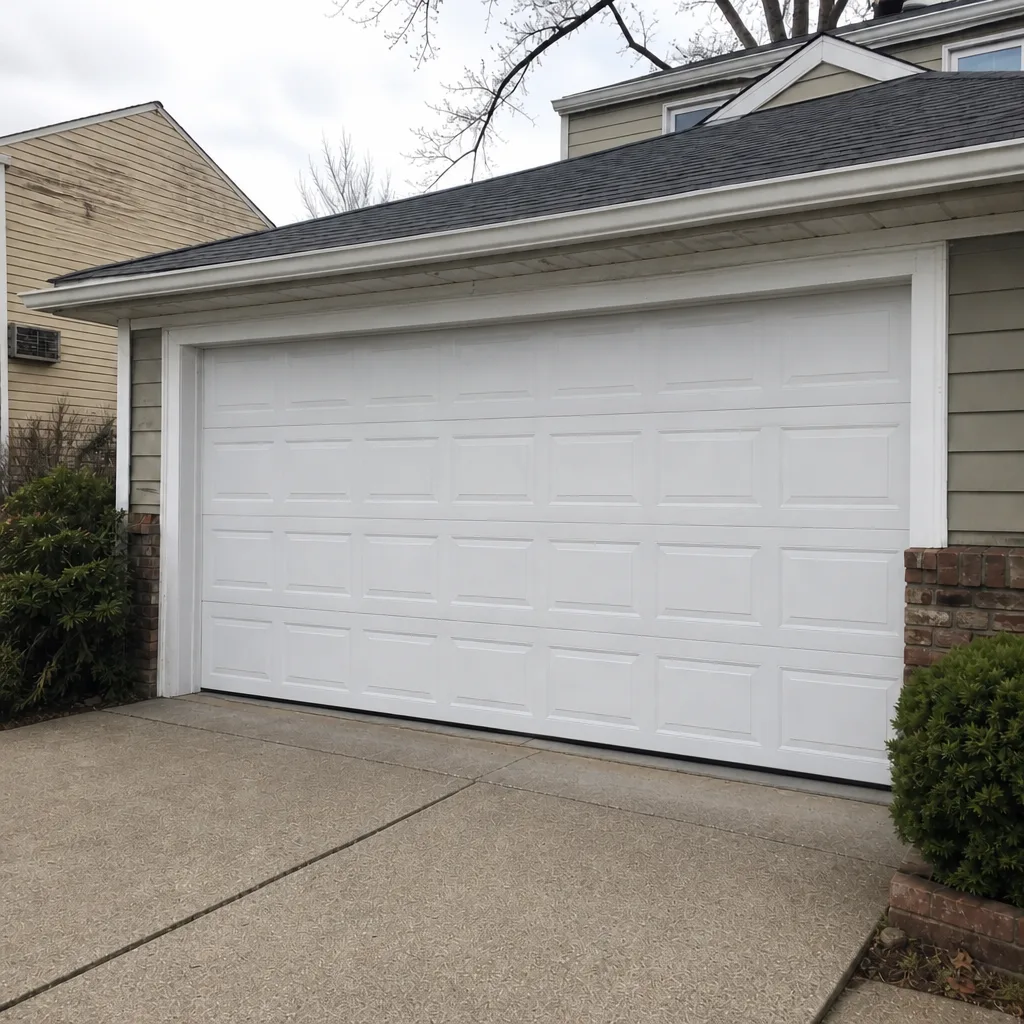
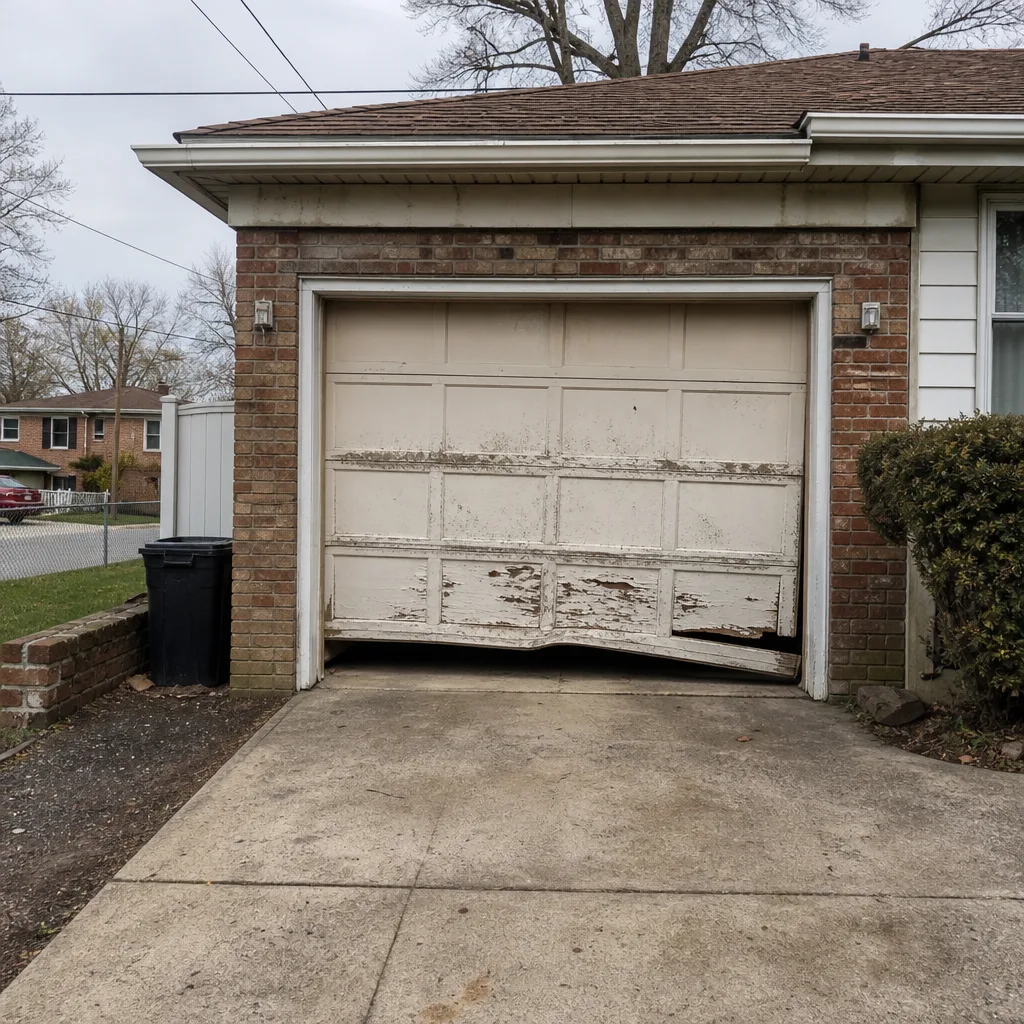
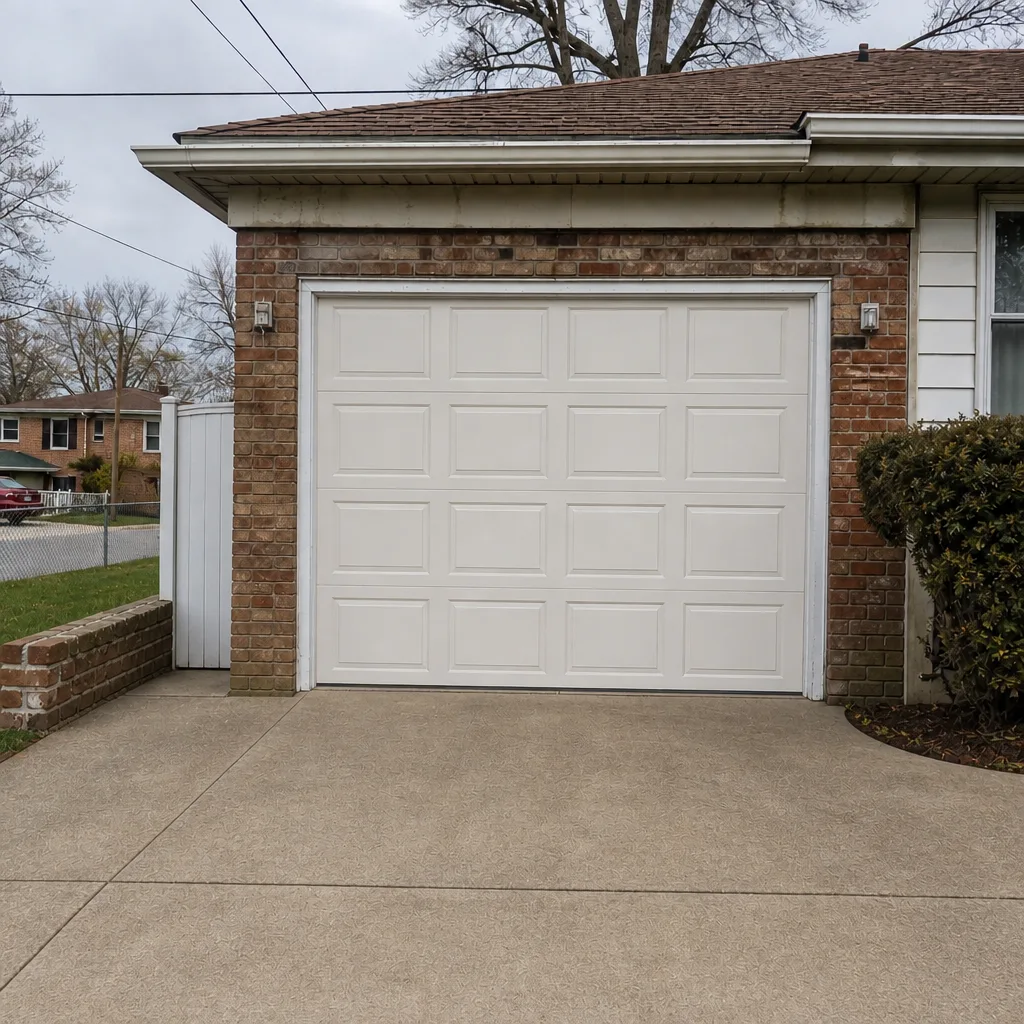
See the difference
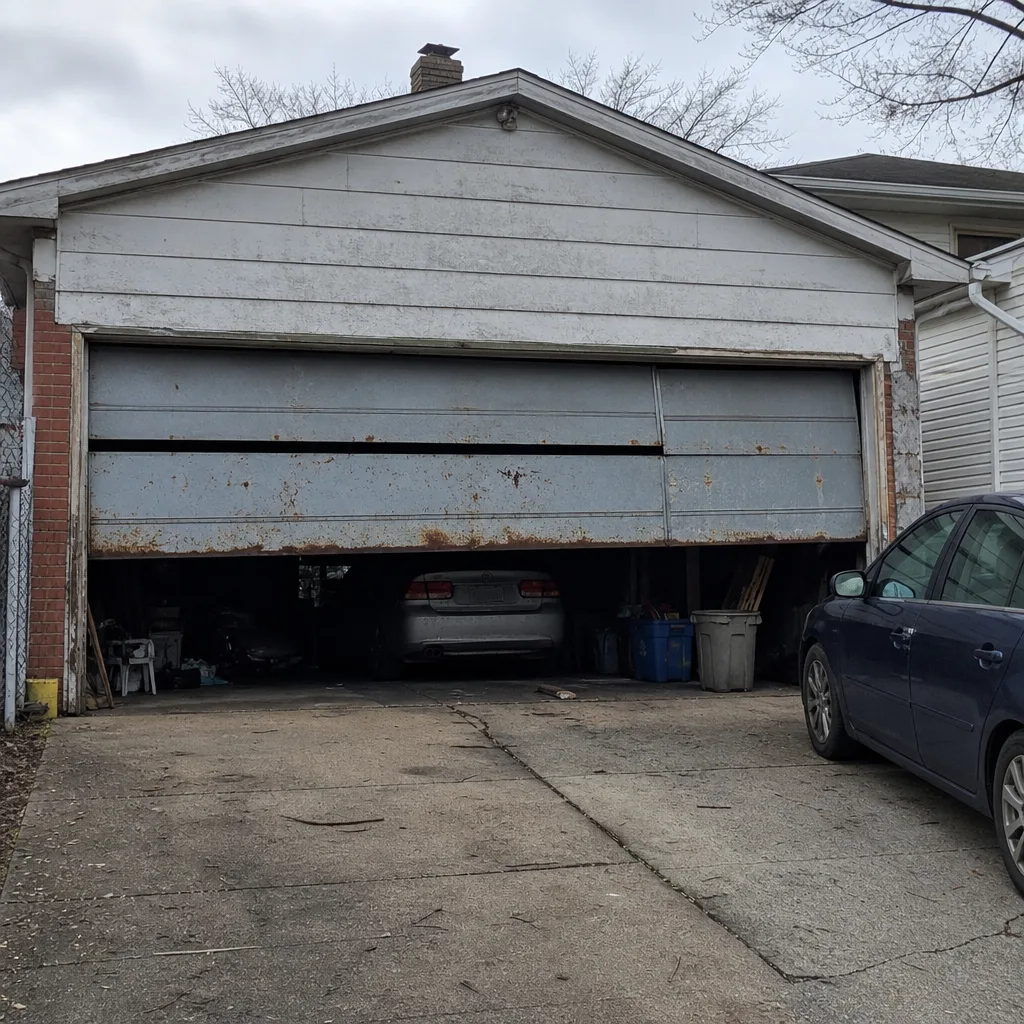 Before
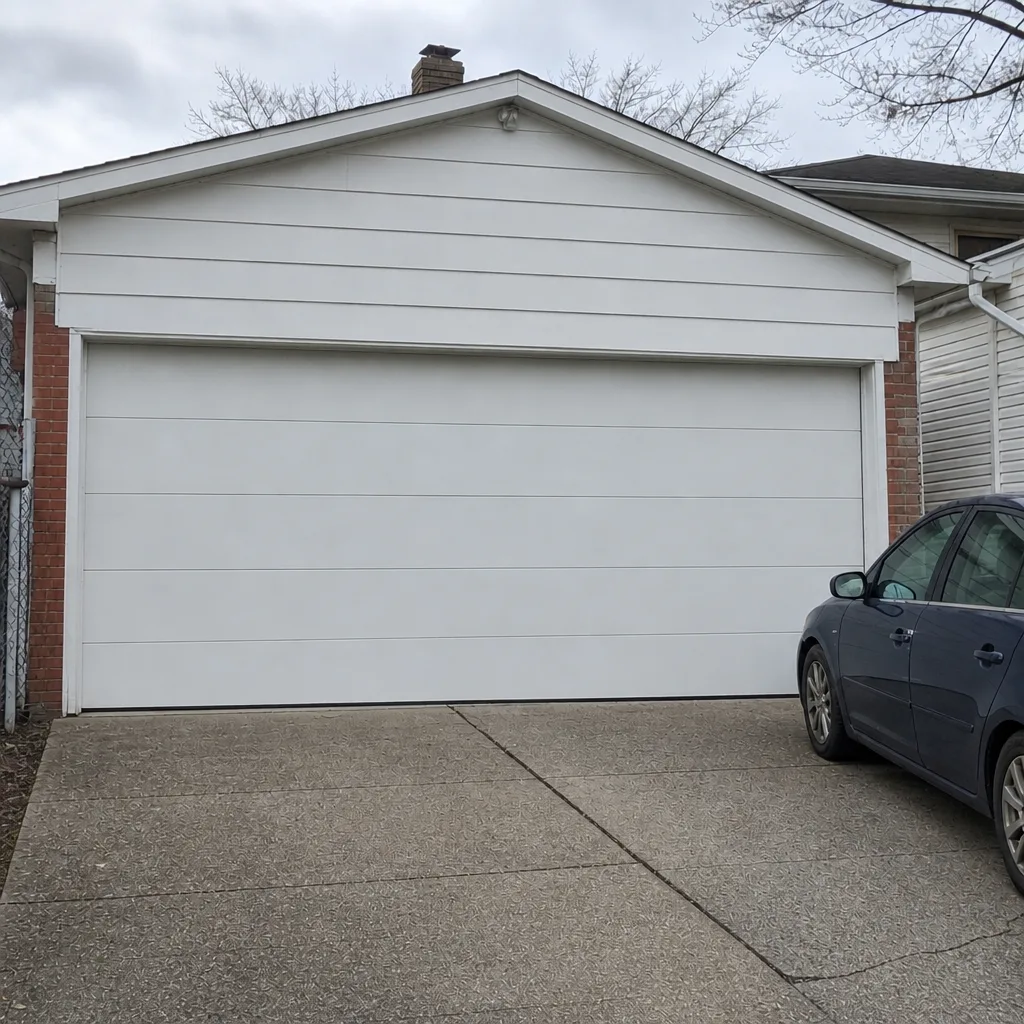 After
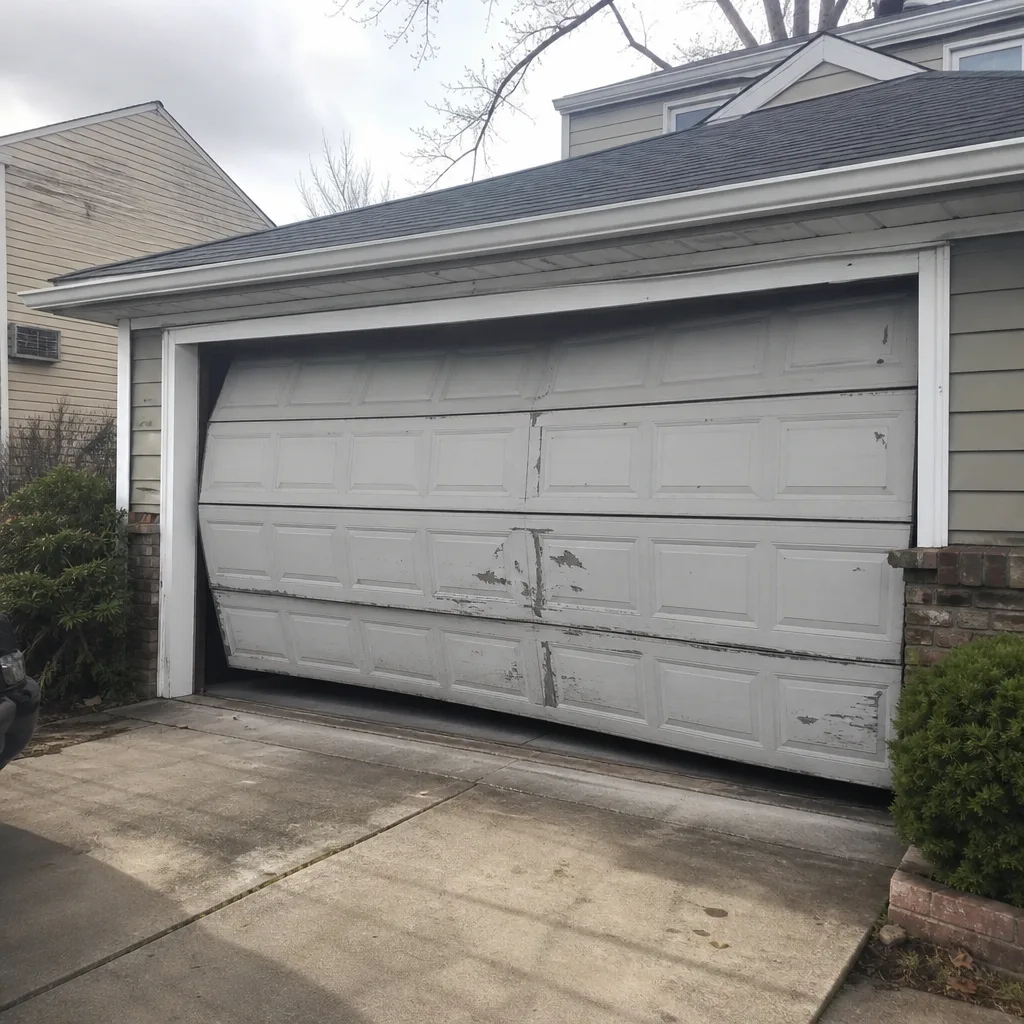 Before
 After
 Before
 After